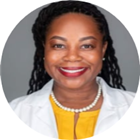
Who is a family physician?
Family doctors are eminently qualified to provide continual, extensive medical treatment to every family member because of their unique perspectives, skills, and expertise. Family physicians are especially suited to serve as primary care providers because of their training. Instead of concentrating on just one organ system, the training of a family physician teaches them to give the best possible medical care by considering the patient as a whole.
One of the defining characteristics of family physicians is their emphasis on building strong, long-term relationships with their patients. This allows them to understand their patient's medical history, family dynamics, and personal values. As a result, family physicians can provide personalized care that considers each patient's unique needs and circumstances.
Apart from treating acute and chronic medical conditions, family physicians also play an essential role in preventive care. They encourage patients to develop healthy habits, such as exercise and healthy eating, and provide routine health screenings and vaccinations to detect and prevent illnesses before they become severe. They may sometimes coordinate care with other healthcare professionals, such as specialists, nurses, and social workers, to ensure that patients get comprehensive and coordinated care. This collaborative approach is vital for patients with complex conditions requiring specialized medical attention.
Education and medical training of family physicians
The educational path to becoming a family physician is extensive and requires several years of rigorous academic and clinical training. During medical school, aspirants learn about the human body, diseases, and medical treatments through classroom instruction and clinical rotations in hospitals and clinics. They also receive communication and patient care skills training to build strong relationships with patients and families.
After medical school, doctors must complete a residency in family medicine, which typically lasts three years. During this, residents receive hands-on training in various clinical settings, like hospitals, outpatient clinics, and community health centers. They work closely with experienced physicians and other healthcare professionals to gain valuable experience in diagnosing and treating various medical conditions, managing chronic diseases, and providing preventive care.
In addition to their residency, family physicians may pursue further training in a subspecialty area of medicine, typically requiring one to two years of fellowship. As the final step, it is crucial to pass the United States Medical Licensing Examination (USMLE) or the Comprehensive Osteopathic Medical Licensing Examination of the United States (COMLEX-USA). Furthermore, a certification from either the American Osteopathic Board of Family Physicians or the American Board of Family Medicine (AOBFP) is mandatory for practice.
When should you visit a family physician near you?
The foundation of family medicine is a long-term, personal patient-doctor connection rooted in integrated care. Family medicine provides a wide range of healthcare services, so there is less need to seek additional care, which can be costly and time-consuming.
The following are some of the areas that family medicine covers:
- Diagnosis and treatment of diseases and mild injuries
- Routine checkups and screening tests
- Some minor surgical procedures
- Vaccines and vaccinations (including those for children)
- Disease prevention, diagnosis, and management
- Treatment and treatment of chronic illnesses (arthritis, diabetes, high blood pressure and heart disease)
- Health risk assessments
- Preoperative examinations
- Wellness screenings
- Weight management and guidance on leading a healthy lifestyle
- Women's health (gynecologic exams, pap smears, and preventive medicine)
- Blood draws, ECG, echocardiography, and pulmonary function testing
- Diagnostic testing (MRIs and CT scans)
The regularity with which you see your family doctor primarily depends on your health. Many doctors recommend that you visit once or twice a year for a checkup, but if you have a chronic illness, like diabetes or hypertension, you must be examined more frequently. Here are some of the additional health issues that your family physician can treat:
- Allergies and asthma
- Possible infections (bronchitis, flu, and strep throat)
- Tonsillitis
- Whiplash
- Minor injuries (burns, animal bites, sprains, and strains)
- Vomiting and diarrhea
- Backache
- Digestive issues
What are the subspecialties of a family physician?
Subspecialties of family medicine allow physicians to focus on a particular area of interest and develop advanced expertise in that field. Here are some of the subspecialties of family medicine and their respective roles in the healthcare system.
- Adolescent and Young Adult Medicine (AYAM):
Adolescent medicine family physicians pursue training in understanding the physical, psychological, and social aspects of people from 10 to 24 years of age, diagnosing their specific health issues, and providing solutions.
Family physician specialists in geriatric medicine have expertise in diagnosing, treating, preventing, and rehabilitating illnesses for the aged group. They care for older adults in homes, offices, and long-term care facilities, including hospitals and nursing homes.
- Hospice and palliative medicine:
Patients with life-limiting conditions benefit from the expertise of a family physician trained in hospice and palliative medicine. Hospice care is given to patients with six or fewer months to survive, while palliative care helps patients live a comfortable and quality life during their illness by controlling the symptoms. Hospice and palliative care specialists work together to help patients and families meet their medical, emotional, social, and spiritual requirements to provide the best possible quality of life.
At the hospital and outpatient levels, pain medicine specialists treat patients with acute, chronic, and cancer-related pain. They collaborate with other specialists to ensure coordinated care.
Family physicians with documented expertise in sleep medicine know the diagnosis and therapy of clinical problems that occur during sleep disruption or affect the wake-sleep cycle. Sleep medicine experts or specialists are also well-versed in sleep analysis and interpretation and the management of a sleep laboratory.
A sports medicine specialist is a medical provider who specializes in diagnosing, treating, and preventing sports or exercise-related injuries. They also treat illnesses and diseases that may impact health and fitness.
What to expect at a family physician appointment?
Family physicians perform many diagnostic examinations to determine the health of their patients. Some of them are:
- Checking vital signs like body temperature, heartbeat, blood pressure, and breathing rate
- Inquiring about the daily routine
- Screening of blood tests to look for problems such as excessive cholesterol or diabetes in the patient
- An examination of the head and neck
- Abdominal exam
- Immunizations
- Examination of the skin
- Screening for women's health, such as pap smears, mammography recommendations, screenings for osteoporosis and osteopenia, and sexual health screenings
- Assessment of men's health, such as examination of the prostate, screenings for aortic aneurysms, and referrals for colorectal exams
- Screenings for infants and children to assess their growth
How to prepare for your first family doctor appointment?
Preparing for your first family physician appointment will help you get the most out of your visit, receive timely preventive care, save on future medical costs, and ultimately lead to better health outcomes.
Here's how you can prepare for your first family doctor appointment:
- Ensure you bring all relevant documents: This includes all your previous health records, prescriptions, insurance card, a list of over-the-counter medications you are currently taking (including vitamins and supplements), and prior tests or surgeries performed. If you have ever been treated in an emergency department by a specialist, inform your family doctor. These details will help your provider diagnose accurately and keep your overall health in mind for future visits. Further, you must also notify your doctor if anyone in your close family has a history of chronic illness.
- Maintain a record of all your symptoms: It is essential to note all your recurring symptoms, their frequency and duration, and what triggers them. Changes in your diet, sleep patterns, weight, moods, and menstrual cycle could indicate an underlying health condition.
- Ask someone to accompany you: If you are bilingual or English is not your first language and need help translating, you can ask a friend or family member to translate during your appointment. This can also help you calm your nerves and feel less stressed during the session. They can also take notes on your behalf and raise any questions you may have forgotten.
- Prioritize your concerns and carry a list of questions: Your first appointment may take quite some time. You may also have many questions regarding your diagnosis, treatment options, tests needed, surgical options, medical costs, follow-up appointments, and more. It is advisable to carry a list of these to ensure you remember all critical queries while you are with your doctor.
When should you go to urgent care or the emergency department instead of your family physician?
Unfortunately, medical needs cannot always be predicted. Issues can develop when your doctor's office is closed. In those circumstances, visiting urgent care or the emergency department is important.
Urgent care is ideal if you have a minor injury, such as a fracture or burn, or a mild illness, such as a sore throat or cough. For more serious issues, like breathing difficulties, uncontrollable bleeding, or chest pains, you should visit the emergency department.
If you're unsure what treatment you require, you should always call your family physician's office and have them assess the situation.
Finding the top-rated family physician near you in Orlando, FL
When you have a family physician caring for you over an extended period, they can gain a thorough understanding of your health and medical history. This enables them to make more accurate diagnoses and closely monitor any changes or warning signs during routine health tests and exams. Finding a family physician might be difficult, but fret not; Zocdoc has you covered.
Sign up for a free account on Zocdoc. Our website allows users to search for physicians based on their education, experience, insurance plans they accept, and location. To use the feature to pick your insurance plan, enter the name of your insurance company in the search query. If you can't find your medical insurance plan on Zocdoc, upload a photo of your insurance card. Zocdoc will automatically scan the image and display the plan that is most likely for you. This feature isn't available for dental or vision insurance cards. If you face any issues while uploading the image, don't hesitate to contact Zocdoc's Service Team for assistance. Additionally, you can check out Zocdoc's Patient Help Center for answers to any further insurance-related queries.
Once the directory comes up, you can click on their name to learn more about the credentials, accreditations, licenses, and ratings of each family physician on the list. Verified patient reviews and ratings can give you a fair picture of what to expect from a potential family physician near you. You can easily arrange an appointment with the practitioners after you've narrowed your search. You can select a time slot that suits you and your physician best, and everything is ready.
All the bookings on Zocdoc are simple, secure, and 100% free!
Family medicine statistics for Florida
Per a study from the Association of American Medical Colleges in 2021, the total number of practicing family physicians was around 118,641. In 2017, the Centers for Disease Control and Prevention reported that heart disease caused approximately 46,440 deaths in Florida, followed by cancer with 45,131 deaths, kidney disease with 3,172 deaths, and diabetes with 6,172 deaths. The statistics could have been much lower if the patients had an identified family physician.
According to a research study by Harvard Medical School researchers, only 77% of adults in the United States had a primary care physician. The study further states that by 2015, only 75% of adult Americans had a designated primary care doctor. For Americans in their 30s, the decline from 2002 to 2015 was approximately 7%.
According to research published by JAMA Internal Medicine, the proportion of individuals in the United States with primary care providers has decreased by 2% in the past decade. According to an official government survey, many Americans do not have a personal doctor or healthcare provider. Numerous studies and academics say many diseases go undiagnosed, resulting in many deaths. As a result, the county's government requests that citizens of America seek a local Family Physician to avoid significant health problems in the future.
Sources
WebMD
Ekincare
Centers for Disease Control and Prevention
Community Hospitals Health Associates
Association of American Medical Colleges
Medical University of Americas
Fierce Healthcare[1]
Fierce Healthcare[2]
Jama Internal Medicine
American Academy of Family Physicians[1]
American Academy of Family Physicians[2]
Castle Connolly
Advanced Medical, PA
University of Utah Health
Phelps Health
Cleveland Clinic