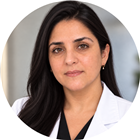
Who are primary care doctors?
Primary care doctors or physicians (PCPs) are certified doctors with extensive training and fellowship in preventing, diagnosing, and treating various illnesses and conditions affecting people of all ages. They practice in multiple settings, such as hospitals with inpatient and outpatient departments, private clinics, group practices, and long-term care facilities. They are the first person you see for any health issue.
Primary care doctors deliver immunizations and vaccinations and conduct routine health check-ups. They can effectively treat acute conditions such as flu, cold, allergy, and bronchitis. They can even manage chronic diseases such as diabetes, hypertension, high cholesterol, asthma, arthritis, and chronic kidney disorders. Primary care doctors coordinate with the entire healthcare system to ensure the patient gets the best treatment and care.
What are the educational qualifications of a primary care doctor?
Before an individual can practice as a primary care doctor, they must complete an undergraduate degree in pre-med or other science fields followed by a medical degree in medicine or osteopathic medicine. Aspirants must enroll in a residency program with required clinical rotations in pediatrics, emergency medicine, obstetrics, and general surgery under the supervision of senior doctors.
Primary care doctors must pass the United States Medical Licensing Examination (USMLE) or the Comprehensive Osteopathic Medical Licensing Examination of the United States (COMLEX-USA) to get their medical license. Some physicians may choose to obtain certification from the American Board of Family Medicine or the American Osteopathic Board of Family Physicians.
What are the different specialties of primary care doctors?
After residency, some doctors may specialize further in a specific area through a fellowship. Here are some common specialty areas:
- Family doctors: These experts treat people of all age groups and train in adult medicine, geriatric medicine, musculoskeletal care, obstetrics, and pediatrics.
- Geriatricians: These doctors specialize in treating people of old age, and due to their advanced training, they are adept at treating balance problems, dementia, and insomnia.
- Internists: These specialists practice internal medicine and specifically treat adults. Like family doctors, they treat several acute and chronic disorders. They receive training in various fields, including endocrinology, geriatrics, neurology, rheumatology, orthopedics, and rehabilitation.
- Obstetrician-gynecologists (OB-GYN): These doctors specialize in women's health and have expertise in childbirth, postpartum conditions, pregnancy, and reproductive health. Some may provide general health services, like an internist or family doctor, while others focus only on female reproductive health.
- Pediatricians: These specialists have expertise in wellness, development, and treatment of disorders that affect babies, children, and teenagers (up to age 21). Many are PCPs for children, while others specialize in pediatric cardiology or neurology.
Why do you need a primary care doctor?
Here are the key reasons to build a long-term trustworthy relationship with a primary care doctor.
- Monitor your health: We see a doctor only when unwell or sick. Primary care doctors can offer much more than just treating your illness. You need a medical specialist to ensure overall good health and well-being. Primary care doctors can monitor your health, identify underlying ailments, and provide preventative treatment. They can even guide you on the best practices to keep you healthy and away from common diseases.
- Personalized medical care: Having someone who knows about your medical history and who you can approach whenever you have an acute illness helps you feel safe and relaxed. A long-term association with a primary care doctor enables you to receive personalized medical care for your unique health conditions. It avoids the hassle of explaining your health issues every time you visit a doctor. They know which medications will best suit you and which may have any side effects. They even ensure treatment plans are effective and on track for optimum health outcomes.
- Manage chronic diseases: Chronic health issues need proper management to alleviate the symptoms and help the patient lead a good quality of life. Modern sedentary lifestyles and unhealthy habits have contributed to the emergence of several chronic conditions, including diabetes, heart disease, arthritis, chronic obstructive pulmonary disease (COPD), and high blood pressure. If left untreated, these conditions could cause severe health complications, such as disability or even death. Primary care doctors can identify these chronic conditions early, provide appropriate medications, manage their symptoms, and help you lead a healthier and fuller life.
- Low healthcare costs: When a disease is detected early, it can be easily treated and managed with medications and lifestyle modifications. It avoids expensive urgent hospitalization or emergency room treatments. Even cancer, when diagnosed in its early stage, is easier to treat than when diagnosed in later stages. Therefore, regular health check-ups at the primary care doctor help you stay one step further in case a disease strikes without notice, which lowers your health care expenditure in the long term.
Choosing a primary care doctor for your health care needs
Here are the top tips on selecting a qualified primary care doctor near you for long-term care and treatment.
- Expert doctor for unique health needs: Your aim should be to choose a certified doctor specializing in your unique health conditions. You can choose from different specialists in primary care doctors, such as pediatrics (child medicine), internal medicine (internist), family practice, and general practice. If your child has health issues, it is best to see a pediatric doctor. See an internist if you are an adult with internal organ health issues. Seek a family or general physician for general health checks and preventive care.
- Doctors in your network: If you have insurance, check your area's list of primary care doctors under your insurance plan. You'll spend less visiting "in-network" doctors, but check the doctor's credentials before booking an appointment. Most insurance plans have a panel of board-certified doctors for an area or locality. Check with your insurance service provider and choose accordingly.
- Travel time: It helps to choose a doctor near your home or office. Traveling to the doctor saves time, and you can adhere to the regular visit schedules. It also becomes more accessible for the doctor to attend to you quickly in an emergency.
How to find the best primary care doctor near you in Riverview, Florida?
It would help if you had someone to have open and honest conversations on your health. Someone you could trust with your health issues, symptoms, and complications. Someone you could depend on for continuity of care through your chronic illnesses.
With Zocdoc, you can easily find the best and most experienced board-certified primary care doctors near you in Riverview, Florida, most suited to your health care requirements.
Start by creating a free account on Zocdoc. Next, choose your specialty or condition, location, date, and insurance plan. A comprehensive list of doctors based on your search criteria will appear. You can even use the Zocdoc insurance detector if you need clarification on your insurance plan.
Each board-certified primary care doctor on Zocdoc has a profile with a brief introduction, education qualification, practice location, patient reviews, and spoken languages. Therefore, you get to know everything you need about a particular provider on a single platform. After completing an appointment, Zocdoc asks the patient to leave a review. Therefore, the best way to find the most trusted primary care doctor in Riverview, Florida, is to read updated patient reviews on Zocdoc. Furthermore, you can even filter the search results by gender if you're specifically looking for female or male primary care doctors near you.
You can also book video appointments on Zocdoc before an in-person visit to better understand your primary care doctor. Look for a purple video icon on primary care doctors' profiles, or filter the video appointment selection.
Book appointments with primary care doctors who accept your insurance plan in real-time. All Zocdoc bookings are simple, secure, and free!
Statistics on primary care providers, multiple chronic conditions, cardiovascular diseases, asthma, and diabetes in Florida, USA
According to the September 2022 data published by America's Health Rankings, Florida had about 289 primary care providers per 100,000 people, higher than the US average of about 265 providers per 100,000 residents. Primary care providers include general practice, pediatrics, internal medicine, family practice, geriatrics, physician assistants, nurse practitioners, and obstetrics and gynecology.
As per the 2020 data published by America's Health Rankings:
- Approximately 9.5% of adults in Florida had three or more chronic health conditions, almost similar to the US average of about 9.1%. These chronic conditions included asthma, arthritis, chronic kidney disease, cardiovascular disease (heart disease, heart attack, or stroke), chronic obstructive pulmonary disease, depression, diabetes, and cancer (excluding skin). Multiple chronic conditions incidence rate was highest among adults in the 65+ age group (19.7%) and lowest among adults in the 18-44 age group (2%). Women in Florida are more susceptible to multiple chronic conditions (11.4%) than men (7.5%).
- Almost 10% of adults in Florida reported having coronary heart disease, angina (heart attack), or myocardial infarction (stroke), higher than the US average of about 8.1%. The cardiovascular disease incidence rate was highest among adults in the 65+ age group (22.4%) and lowest among adults in the 18-44 age group (2.4%). Men in Florida are more susceptible to cardiovascular disease (11.7%) than women (8.4%).
- Nearly 7.3% of adults in Florida reported having asthma, lower than the US average of about 9.6%). Women in Florida are more susceptible to asthma (9.4%) than men (5.1%).
- Roughly 11.8% of adults in Flordia reported having diabetes (excluding gestational diabetes and prediabetes), higher than the US average of approximately 10.6%. The diabetes incidence rate is highest among adults in the 65+ age group (23.9%) and lowest among adults in the 18-44 age group (2.7%).
Sources
American Academy of Family Physicians
WebMD
Healthline[1]
Healthline[2]
Blue Cross Blue Shield
Conway Medical Center
Harvard Health Publishing
America's Health Rankings[1]
America's Health Rankings[2]
America's Health Rankings[3]
America's Health Rankings[4]
America's Health Rankings[5]