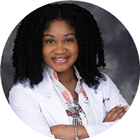
Who is an OB-GYN?
An OB-GYN (obstetrician-gynecologist) is a doctor specializing in women's reproductive health, pregnancy, and delivery. Some OB-GYNs, like primary care physicians, provide general health and medical services. These doctors, however, have specialized in gynecology and obstetrics.
Additionally, OB-GYNs provide patients with preventative screening and daily routine healthcare services. They can handle baby deliveries and care for the newborn immediately after birth. Other women's health issues the OB-GYN addresses include delivery, birth control, cancer screening, urinary tract disorders, pelvic organ surgery, and infection therapy.
OB-GYN education and qualifications
After four years of medical school, residents concentrate on advanced studies in gynecology and obstetrics. Throughout residential training, they learn about reproductive health and associated concerns and finish their postgraduate residency and fellowship. The entire course might take up to eight years.
In addition, to become an OB-GYN specialist, a doctor must pass each examination phase of the USMLE (the United States Medical Licensing Examination) series. Doctors must also finish their entire residency under the supervision of expert doctors and at appropriate healthcare facilities. Doctors must also pass a test administered by the American Board of Obstetrics and Gynecology.
Subspecialties of OB-GYN
Some OB-GYNs hold a special certificate and have training that makes them capable of offering other services outlined below:
1. Complex family planning - These OB-GYNs are sub-specialized in complex family planning. They ensure proper reproductive care for patients with difficult reproductive health conditions.
2. Women's pelvic medicine and reconstructive surgery - These OB-GYNs also offer pelvic medicine and perform reconstructive surgery on the pelvic floor. Moreover, they also provide surgical treatment to females suffering from pelvic floor disorder. The pelvic floor becomes weak after pregnancy or after prolonged medical conditions. An OB-GYN near you accepting new patients can help with the following issues:
- Vaginal or urinary tract infections
- Urinary or fecal incontinence
- Bladder pain
- Overactive bladder
- Pelvic organ prolapse
3. Gynecologic oncology - OB-GYNs specializing in this area can perform various techniques that help treat gynecologic cancer and other possible treatments. They can treat cancers of the:
- Uterus
- Cervix
- Ovaries
- Vulva
4. Maternal-fetal medicine - These OB-GYNs are experts in addressing maternal-fetal issues and are concerned with both the mother and newborn. Besides this, they can also handle complications that may arise during childbirth and pregnancy.
- Chronic or gestational high blood pressure
- Blood-clotting disorders
- Gestational diabetes
- Premature labor
5. Reproductive endocrinology and infertility - These OB-GYNs can treat infertility and hormonal dysfunction and evaluate other reproductive health issues. They also perform assisted reproductive technology procedures such as:
- Gamete intra-fallopian transfer
- In-vitro fertilization
- Embryo transfer
- Zygote intrafallopian transfer
6. Hospice and palliative medicine - These OB-GYNs handle patients with critical life-limiting illnesses, minimize suffering, and optimize the quality of life.
7. Critical care medicine - These OB-GYNs also help diagnose and support critical illnesses and specialize in treating critically injured patients.
What procedures can an OB-GYN perform?
OB-GYNs are highly trained surgeons who can perform a broad range of procedures and surgeries, including:
- Hysterectomy
- Cesarean sections
- Instrumental delivery during childbirth
- Removing outgrowths like ovarian cysts and uterine fibroids
- Surgery to revamp pelvic organ injuries
In addition to this, OB-GYNs can also perform various procedures such as:
- STI tests
- Test for cervical cancers
- Pelvic ultrasound to check the condition of the pelvic organ and monitor pregnancy
- Management of urinary tract infection and urinary incontinence
- Breast health management and breast exams
- Anemia and many more conditions
When should you visit an OB-GYN?
Women not dealing with any reproductive health-related issues can visit an OB-GYN for a preventive checkup. The doctor will conduct lab tests and immunizations and evaluate examinations to check certain diseases. Besides this, the doctor also performs test procedures to prevent the pelvic region. Depending on your age, the doctor can also do additional screenings.
However, you can also visit an OB-GYN if you are experiencing any changes in your reproductive cycle, such as:
- Pregnancy issues
- Menstrual cycle problems
- Perimenopause
- Menopause
- Unusual cramps
- Changes in menstrual bleeding
- Pain during intercourse
- Pain during urination
You can also visit an OB-GYN when planning to have a child. They help in the following:
- Planning your pregnancy
- Prenatal care
- Advice on diet
- Infertility treatment
- Labor and birthing alternative
- Genetic testing
- Postpartum depression
- Advice on breast-feeding
Tips on having a healthy pregnancy
Here are some essential tips for a healthy pregnancy:
- Exercise - An active lifestyle is essential for overall health since it can help lower stress, enhance circulation, and uplift mood. Try to work out for 30 minutes most days of the week. Pilates, swimming, yoga, and walking are also excellent exercises for most pregnant women, but consult a healthcare professional before beginning any exercise regimen.
- Stay hydrated - During pregnancy, your body needs more water, so ensuring you're getting enough is essential. Additionally, it will help reduce swelling and prevent urinary tract infections, hemorrhoids, and constipation. Aim to drink roughly 10 cups of water daily as you go about your day.
- Eat healthy - Plan your meals around whole grains, fresh fruits, and veggies, and always have plenty of nutritious snacks. Limit your intake of calories from added sweets and saturated fats. If you follow a particular diet (such as for diabetes or food allergies), are vegetarian, or follow a vegan diet, a dietician can assist you in ensuring that you satisfy all of your nutritional needs.
- Get enough sleep - Even though you should try to sleep for at least eight hours every night, it's normal to have trouble falling asleep while pregnant. To get enough sleep while pregnant, you may change your routine, go to bed a little earlier, or nap during the day. Yoga, stretching, deep breathing, and massage are all excellent relaxation methods that can help reduce stress and improve sleep.
- Avoid toxins - You should refrain from using tobacco, alcohol, illicit substances, and even solvents like paint thinner and nail polish remover while pregnant due to their link to congenital abnormalities, miscarriage, and other pregnancy issues. For instance, smoking cigarettes reduces the oxygen flow to the unborn child and is associated with issues including preterm birth.
What is a pelvic exam, and what happens during this procedure?
A pelvic exam is a routine medical procedure where a healthcare provider visually and physically examines a woman’s reproductive organs. This includes the vagina, cervix, uterus, fallopian tubes, vulva, and ovaries. It is essential for monitoring reproductive health and detecting conditions like infections, cysts, or cancer.
Doctors advise women to have their first pelvic exam at age 21, generally, or earlier if specific health concerns arise, such as menstrual irregularities, or before starting birth control. Regular exams are recommended annually or as a doctor advises based on medical history.
To prepare, avoid vaginal intercourse, inserting anything into the vagina, and douching for at least 24 hours before the exam. Schedule it when you're not on your period unless menstrual concerns require otherwise.
During the exam, you’ll undress and wear a robe. While lying on an exam table with your feet in stirrups, the doctor will perform the following steps:
- Visual inspection: The doctor examines the vulva and vagina for redness, irritation, discharge, or signs of infection.
- Speculum exam: The OB-GYN inserts a speculum to view the cervix and collect cells for a Pap smear, which checks for abnormalities like cancer or infections.
- Manual exam: The doctor uses gloved fingers to check for irregularities in the uterus, ovaries, or fallopian tubes while pressing on the abdomen.
- Rectal exam: Sometimes, the doctor may perform a rectal exam to assess the tissue between the rectum and vagina.
The exam results are often immediate, but Pap smear findings may take a few days. Pelvic exams are vital for diagnosing and addressing reproductive health concerns and ensuring overall well-being.
What should you expect during a routine visit to an OB-GYN?
At your OB-GYN appointment, they'll check your reproductive system inside and out. They'll start by examining your breasts for any lumps or cysts. Then, they'll look at the area outside your vagina, called the vulva.
Next, they'll do an internal pelvic exam. Your doctor may press on your belly and pelvis to check for any issues and do a rectal exam. If they find any medical problems, they'll discuss treatment options with you. This could include medication, surgery, or monitoring the issue over time.
How can one make the most of an OB-GYN visit?
Make the most of your yearly OB-GYN checkup by asking any questions you have. Don't worry if they seem personal or awkward – your doctor has heard them all. It's important to talk about your periods, sex life, or anything else related to your reproductive health.
Your OB-GYN will also ask you many questions. They might be very personal, but they're necessary for your doctor to provide the best care. They may ask about:
- Your vaccine history
- Your sexual activity, how often, and the number of partners
- Any sexual problems you're experiencing
- Your periods, including any issues like missed or heavy periods
- Vaginal discharge
- Past or current sexually transmitted diseases (STDs)
- Birth control methods you're using or interested in
Remember, your OB-GYN is there to help you with your reproductive health. Keep up with your yearly appointments, and if you have any new concerns between visits, don't hesitate to contact your doctor.
How do you choose the best OB-GYN near you in Riverview, FL?
Trust is the foundation of the connection between a patient and her OB-GYN. However, finding an OB-GYN who accepts your health insurance can take some time. This is when Zocdoc can be useful. It is an online service that makes it easy to choose the ideal physician with only a few mouse clicks.
Here's how it functions: Create a free Zocdoc account, type in the doctor you're looking for (in this example, an OB-GYN), and input your location. If you are in Riverview, Zocdoc will produce a list of nearby OB-GYNs. To confirm that your insurance plan covers every doctor on the list, you must also enter your medical insurance's carrier and plan information.
Our online patient support center assists in finding OB-GYNs who accept your insurance. Through Zocdoc, you can connect your medical, dental, and vision insurance plans to your account, though you can use only one plan per appointment.
You can include your secondary insurance information in the appointment notes if you have multiple insurance plans. Alternatively, if your healthcare provider uses Zocdoc’s Intake forms, you can directly enter your secondary insurance details during the booking process.
Thus, you no longer need to search for OB-GYNs who accept your insurance plan. Zocdoc does it for you!
Every doctor you locate on the platform will have a profile detailing their qualifications, experience, expertise, reasons for visits, awards, accreditations, and affiliations. You can also find out their gender and the languages they speak. Further, you can read verified reviews and testimonials by past patients to help you make an informed decision. The best OB-GYN in Riverview or elsewhere in the United States is just a few clicks away.
If the doctor is a good fit for you, schedule an appointment for the most convenient time. Depending on the doctor’s availability, you can book appointments before, during, or after office hours. You can also book appointments on weekends and holidays if the doctor’s schedule permits.
With Zocdoc, booking in-person or video appointments with a qualified OB-GYN near you is safe, quick, and free.
Recent statistics about OB-GYNs in Riverview, FL
Only 2000 licensed OB-GYNs are available per 100,000 people in Florida—highlighting a significant shortage of OB-GYNs. Also, because of changing lifestyles, infertility issues have been arising across the globe, so there is a continuing demand for OB-GYNs.
The marchofdimes.org report stated that in Florida, the fertility rate was around 53.4 per 1000 women aged 15-44. The Department of Urology at the University of Florida shows that the incidence of Pelvic Organ Prolapse in women ranges from 25% to 90%. Regardless of the percentage, it is clear that the lifetime risk for prolapse operation or incontinence by the age of 80 was around 11.1%.
By 2050, there will be a national shortage of roughly 22,000 OB-GYN physicians, as the American College of Obstetricians and Gynecologists estimates.
Sources
FLHealthCharts
UF Health
March Of Dimes
UF Department of Urology
Healthline[1]
Healthline[2]
Healthline[3]
The American College of Obstetricians and Gynecologists
Parents
BabyCenter
WebMD
University of Rochester Medical Center