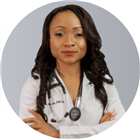
Who is a female dermatologist?
The skin is the largest organ in the body. It serves as the first line of defense against disease, protects other internal organs, warms and cools the body, and indicates how healthy it is inside. The skin is also crucial in determining the health of your immune system, which is why it should be cared for by a medical professional specializing in skin health.
Dermatologists are doctors of medicine who treat, manage, and prevent almost 3,000 skin, hair, and nail conditions. While general practitioners may also diagnose and treat skin conditions, dermatologists have more in-depth knowledge and experience. Your primary healthcare practitioner can refer you to a dermatologist for specialized care.
Dermatologists can also provide treatments such as anti-aging treatments, fillers, chemical peels, Botox, and other cosmetic procedures that aesthetically or cosmetically improve the appearance of the skin and reduce wrinkles, hyperpigmentation, and scarring. Dermatologists are also qualified to perform minor and complex surgical procedures such as tumor removal, laser therapy, biopsies, Mohs surgery, mole removal, hair restoration, and more.
Dermatologist: Education, training, and subspecialties
To become a dermatologist, one must complete approximately 12 years of rigorous education and training. This generally includes a four-year undergraduate degree, another four years of medical school, and a year-long internship program. They then complete a three-year residency program in dermatology, working alongside experienced doctors, completing clinical training, and treating patients for nearly 12,000 to 16,000 hours.
After completing a residency, many dermatologists choose a specialized field of practice or a subspecialty. Some common dermatology subspecialties include:
- Mohs and dermatologic surgery
- Dermatopathology
- Pediatric Dermatology
- Laser and aesthetic dermatology
- Autoimmune disease
If you see the letters FAAD (Fellow of the American Academy of Dermatology) next to a dermatologist's name, it indicates that your dermatologist is board-certified, either by the American Board of Dermatology or the American Osteopathic Board of Dermatology.
How is an esthetician different from a dermatologist?
Estheticians are trained professionals who focus on treating the skin's outer layers. They offer expert advice on skincare and enhancement, but do not hold medical qualifications. Unlike dermatologists, estheticians cannot:
- Identify skin conditions
- Write prescriptions
- Perform invasive procedures, including injections and fillers
However, in certain states, they may administer injectables under a dermatologist's supervision.
Typical esthetician services include:
- Facial treatments
- Microdermabrasion
- Various hair removal techniques (waxing, threading, sugaring)
- Makeup application and enhancements (eyebrow tinting, eyelash extensions)
- Body treatments (scrubs, masks, wraps)
- Mild chemical peels (avoiding deep-penetrating treatments)
Estheticians commonly work in salons and spas. Medical estheticians, sometimes called aestheticians, often collaborate with dermatologists or cosmetic surgeons in clinical environments such as dermatology practices and healthcare centers. Their services may include:
- Pre and post-operative skincare
- Tattoo removal
- More intensive chemical peels
- Laser hair removal (under physician oversight)
While no specific license exists to become a medical esthetician, these professionals usually pursue additional education and training in their specialized treatments.
What conditions do female dermatologists treat?
All dermatologists are qualified to treat the following conditions:
- Atopic dermatitis (AD): Also known as eczema, it is commonly found in children, but adults may also have it. Some signs of AD include dry skin, severe itching, red to brownish-gray patches on the hands, feet, upper chest, neck, and scaly skin. AD does not have a cure, but a dermatologist can easily help manage it by recommending topical products to reduce flare-ups, pain, and itchiness.
- Male pattern baldness (Androgenic alopecia): This type of hair loss typically occurs in men and starts in a well-defined pattern. It shrinks the hair follicles in size and leads to hair recession around both temples. Eventually, the hairline recedes to form an "M" or "U" shape. Androgenic alopecia typically affects those who have a family history of it. Male pattern baldness in men has also been associated with several severe medical conditions, including high blood pressure, prostate cancer, and diabetes.
- Alopecia areata (AA): In this autoimmune condition, the body mistakenly attacks the hair follicles that hold the hair in place. This condition can lead to hair loss anywhere on the body, including the scalp, armpits, inside the nose, and ears. Some people lose their eyelashes or eyebrows.
- Melanoma or skin cancer: This disease can be life-threatening if left untreated. Melanoma is not contagious. However, it can spread to several body parts, such as your back, legs, and arms, particularly to areas exposed to the sun's UV radiation. An asymmetrical or irregularly shaped mole that changes shape, size, and color over time may indicate melanoma on the skin.
- Lupus: A systemic autoimmune disorder, lupus is a condition in which inflammation affects the joints, skin, kidneys, brain, heart, and lungs. Lupus that affects the skin is called cutaneous lupus. On the skin, lupus can show as a flare-up (a butterfly-shaped rash that covers the cheeks and nose), a rash on the back, or a thick, scaly patch on the face. Dermatologists help lupus patients by developing a sun-protection plan and recommending less irritating skin care products.
When should you schedule an appointment with a dermatologist?
Whether you suspect a skin condition or don't feel confident in your skin, visiting a dermatologist can help you find the root cause of your skin problems and get practical and long-lasting treatment. Depending on who you feel most comfortable with, you can see a male or female dermatologist near you.
Here are some reasons why you should consult a dermatologist:
- If over-the-counter acne remedies are not working for your stubborn acne or severe acne.
- If you've had an allergic reaction to something on your skin, such as rashes, redness, or itchy, dry skin.
- If you observe a mole or patch on your skin that changes in color, size, or shape over time, this may be a sign of skin cancer.
- If you have scars from acne, cuts, or scrapes.
- If you have an ingrown nail, fungus under the nails, or warts.
- If you have been losing more hair than usual, it may indicate a much more serious underlying health issue.
- If you want to change your aesthetic appearance and reduce the signs of aging, which include fine lines or wrinkles.
Questions to ask a dermatologist
When visiting a female dermatologist near you, asking informed questions about your skin health is crucial. Here are a few questions you can consider asking your dermatologist:
Regular check-ups are essential for the early identification of skin issues. Discussing your overall skin health with your dermatologist can help you make necessary adjustments for healthier, more radiant skin.
- Is there anything you recommend for my skin type?
A female dermatologist can advise you on the products and treatments for your skin type.
- Are there any treatments I should avoid?
A consultation with a dermatologist helps determine which procedures are best suited for your skin health and aesthetic goals. You should also know which treatments to avoid based on your skin characteristics.
- How is my diet affecting my skin?
A good diet is vital in keeping your skin healthy. It also affects hydration, oil production, and aging. Your dermatologist can advise on dietary adjustments to optimize your skin's health.
- How can I protect my skin?
Skin protection goes beyond using sunscreen. Your dermatologist can offer personalized suggestions based on your medical history and risk factors. For instance, if you have a family history of skin cancer, they may recommend more stringent protection measures, such as limiting sun exposure altogether.
How PCOS impacts your skin — and how you can take control
Polycystic Ovary Syndrome (PCOS) affects more than your menstrual cycle—it can also significantly impact your skin and hair. Understanding how these symptoms develop can help you seek the proper treatment and regain control over your skin health. If you're experiencing these concerns, a female dermatologist near you can offer personalized guidance and support.
- Acne breakouts: PCOS increases androgen levels, stimulating excess sebum (oil) production in your skin. This sebum, combined with dead skin cells and bacteria, clogs pores and leads to acne. Hormonal acne from PCOS typically appears on the lower half of the face, such as the jawline, chin, and neck, and may also affect the chest and back. These breakouts are often deep, painful, and slow to heal, leaving behind scars.
- Hair thinning or loss on the scalp: Ironically, while PCOS causes unwanted hair growth on the body, it can lead to hair loss on the scalp. This condition, also referred to as male-pattern baldness or androgenetic alopecia, starts with thinning at the crown and can cause visible shedding.
- Uneven skin tone: PCOS may also trigger acanthosis nigricans, where dark, velvety patches develop in body folds like the neck, armpits, and groin. This discoloration is directly tied to insulin resistance, which often accompanies PCOS.
- Excess facial and body hair (Hirsutism): Elevated androgens due to PCOS trigger hirsutism, which causes thick, dark hair growth in typically hairless areas on women. These areas may include the face, chest, back, or abdomen. Despite shaving or plucking, the hair usually regrows persistently.
Managing PCOS-related skin problems involves treating the root hormonal imbalance. A personalized treatment plan can dramatically reduce or eliminate your skin concerns:
- Hormonal birth control helps balance hormones, regulate periods, and reduce acne, hirsutism, and pigmentation.
- Topical and oral acne treatments can target persistent breakouts.
- Weight loss through a nutritious diet and consistent exercise can stabilize hormone levels and improve symptoms.
- Professional dermatological care ensures expert guidance for tailored skincare solutions.
- Laser hair removal or electrolysis offers long-term solutions for unwanted facial and body hair.
Find female dermatologists near you
If you wish to see a board-certified dermatologist for a suspected skin issue, you must find one who can meet your needs. While you can use over-the-counter skincare products, a dermatologist can prescribe the safest treatment options suited to your skin type. Moreover, treatment options offered by a medical expert may also give you long-lasting results.
If you are looking for a top-rated female dermatologist in the country, Zocdoc has got you covered. On Zocdoc, you can book an appointment with a board-certified specialist from the comfort of your home and speak to them via video consultation or in person at your convenience. Depending on provider availability, you can schedule appointments on the same day, 24 hours in advance, in the morning, after 5 pm, and even on the weekends.
Use your insurance plan to find in-network doctors. If your plan is not listed on Zocdoc, try uploading a photo of your card. We will scan the image and display the most suitable plan for you. Contact Zocdoc's patient help center if you are experiencing any insurance-related problems.
Finding a trustworthy provider can be challenging. Therefore, Zocdoc details each provider's educational background, including their clinical experience, specialties, certifications, and licensures. You can also select a provider based on honest and verified patient reviews, hospital affiliation, gender, spoken languages, bedside manners, office location, distance, wait time, and whether a provider treats children.
All bookings on Zocdoc are fast, free, and secure!
Prevalence of female dermatologists and skin cancer in the US
According to a recent physician specialty data report published in 2021 by the Association of American Medical Colleges (AAMC), out of the 12,756 active physicians practicing dermatology that year, the number of female dermatologists (6,665) was higher than the number of male dermatologists (6,091). Female dermatologists made up 52.2% of the active physician workforce in 2021.
According to data from the US Bureau of Labor Statistics (BLS), the following US states had the highest numbers of employed dermatologists: Texas, Massachusetts, Minnesota, New York, and Pennsylvania (as of May 2022). The BLS also found that most dermatologists worked in physicians' offices or private practices. In contrast, others worked in outpatient care centers, offices of other healthcare providers, and medical and diagnostic labs.
Skin cancer is the most prevalent and commonly diagnosed cancer in the U.S. Data collected in 2023 by the American Cancer Society shows an estimated 104,930 new cases of skin cancer (excluding basal & squamous) were reported in the country. Out of these, nearly 97,610 are melanoma, and the remaining 7,320 are non-epithelial skin cancers. The data notes incidence rates to be higher in women than men before age 50, but thereafter are increasingly higher in men. So far, more male cases (62,810) have been reported compared to female cases (42,120).
Sources
American Academy of Dermatology [1]
WebMD
Cleveland Clinic[1]
Stanford Medicine
Mayo Clinic[1]
Mayo Clinic[2]
Mayo Clinic[3]
American Academy of Dermatology[2]
American Academy of Dermatology[3]
American Academy of Dermatology[4]
Cleveland Clinic[2]
MedlinePlus
University of Utah Health
US Bureau of Labor Statistics
Association of American Medical Colleges
American Cancer Society
Healthline
Miami Skin Dr.
Dermatology Institute Of Southern California
The Women's Center