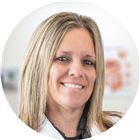
Who is a primary care physician?
What defines a primary care physician (PCP) is their role as a healthcare professional dedicated to overseeing your well-being. A PCP, usually a doctor, is your first point of contact for non-emergency health concerns or medical issues. They are the cornerstone of the healthcare system.
However, it's worth noting that in addition to doctors, some primary care is provided by nurse practitioners, midwives, and physician assistants. Outside the COUNTRY, a primary care provider may be called a general practitioner.
Education and training
The educational journey for a primary care physician commences with attaining an undergraduate degree in pre-med or the sciences from an accredited institution. Subsequently, they embark on specialized medical training, which encompasses the following steps:
- Graduating from an accredited medical school with a medicine or osteopathic medicine degree.
- Passing board exams may include one of the steps, steps one and two of the United States Medical Licensing Examination (USMLE) or Levels one and two of the Comprehensive Osteopathic Medical Licensing Examination of the United States (COMLEX-USA).
- Completing clinical instruction or core clerkships.
- Concluding a residency program that includes mandatory rotations in pediatrics, emergency medicine, obstetrics, general surgery, and inpatient hospital care. The physician's training concludes upon meeting all requirements and establishing residency in the state where they will practice.
- Taking the certification exam administered by either the American Board of Family Medicine or the American Osteopathic Board of Family Physicians.
Towards the conclusion of their residency, they apply for a state license, a crucial step in becoming a board-certified family doctor. This process involves successfully passing Level 3 of the COMLEX-USA or Step 3 of the USMLE.
What medical conditions are addressed by primary care physicians?
Primary care physicians, including female PCPs, serve as comprehensive healthcare overseers, practicing in various settings such as clinics, long-term care facilities, private practices, outpatient and inpatient hospital environments, and group practices.
Your primary care doctor is the go-to professional for issues ranging from the flu, vaccinations, quitting smoking, and diabetes management to weight loss. While they are proficient in managing various aspects of healthcare, they may refer you to a specialist if your condition requires more specialized attention.
Primary care physicians help maintain health through routine physicals, immunizations, preventive care, and wellness screenings. They also play a crucial role in diagnosing common illnesses and chronic diseases like diabetes, obesity, and hypertension (high blood pressure) and provide ongoing management and support.
Why visit a primary care physician?
Contrary to many other healthcare professionals, your primary care physician is not solely consulted during periods of illness. You may seek the guidance of any PCP or specifically find a female primary care physician near you for both general healthcare and for specific situations such as:
For health inquiries and wellness initiatives:
- If you have questions about your health
- To take proactive steps towards better health
- For your annual examination
- To undergo health screenings or receive immunizations
When feeling unwell:
- If you're experiencing discomfort or illness, your primary care doctor can conduct examinations, order relevant tests, provide a diagnosis, and prescribe necessary medications.
For chronic conditions:
- If you have a chronic disease like diabetes, hypertension, asthma, or chronic obstructive pulmonary disorder (COPD), your primary care doctor can facilitate connections with specialists and remain a crucial healthcare team member throughout treatment.
In case of accidents or injuries:
- If you are in an accident or sustain an injury, your primary care doctor is often the initial point of contact. A typical step is a phone call to seek advice on appropriate actions.
Standard tests and screenings during a physical examination
One way to rule out future issues is to visit your doctor and examine your health routinely.
If you are planning to schedule an appointment with primary care doctors near you, these are some of the standard tests and screenings you can expect:
- Mammogram: Between 50 and 74 years, a mammography every two years is advisable for women with minimal risk of breast cancer. Based on a patient's and their family's history of breast cancer, doctors might advise earlier and more frequent testing.
- Cholesterol test: Most individuals should begin regular cholesterol checks at age 45. However, if there is a history of diabetes, heart disease, or a genetic predisposition to these conditions, doctors may advise starting these checks as early as 20. Monitoring cholesterol levels is crucial for maintaining heart health.
- Pap smear: Cervical cancer screenings, known as pap smears, should begin at 21 for women. Doctors typically recommend subsequent screenings every three years if the immune system is healthy. Once women reach the age of 30, doctors recommend pap smears once every five years until the age of 65. Beyond 65, pap smears are usually only necessary if the doctor indicates.
- Testicular exam: Doctors may conduct testicular exams during routine checkups to detect any signs of lumps, changes in size, or tenderness.
- Pelvic exam: A pelvic exam, with or without a pap smear, includes a thorough examination of the vagina, cervix, and vulva by healthcare providers to detect signs of STI (sexually transmitted infections) or other conditions. This exam is an essential component of preventive healthcare for women.
- Breast exam: Regular self-examinations and clinical breast exams as part of routine healthcare are valuable methods for detecting abnormal lumps or signs of breast cancer.
- Osteoporosis screening: Healthcare providers may recommend bone density scans for osteoporosis screenings around age 65. Screenings may start earlier in certain medical conditions or situations with higher risk—regular screenings aid in the early detection and management of osteoporosis, reducing the risk of fractures.
- Prostate cancer screening: Doctors may advise some men to start screening at age 50; for those with a strong family history, it might begin as early as 40. Informed discussions with healthcare providers are essential for deciding when to conduct prostate cancer screenings.
- Diabetes: A doctor is most likely to check someone for diabetes if they have a family history or risk factors like being overweight, having high cholesterol, and high blood pressure. Healthcare providers may use the fasting blood sugar test or the A1C test for diabetes screening, enabling early detection and management of diabetes to prevent complications.
- Abdominal aortic aneurysm screening: A primary care doctor may recommend a one-time screening test using ultrasound waves for individuals between the ages of 65 and 75 with a smoking history. This test is necessary to check for abdominal aortic aneurysms and can help identify and manage any potential risks associated with this condition.
- Depression: One may often attribute the symptoms of this condition to other causes, leading to its unnoticed status. Undergoing a depression screening at each checkup enables doctors to recognize and address symptoms effectively, leading to appropriate support and treatment.
Finding the right female primary care physicians near you
Finding the right primary care doctor is challenging. Moreover, because some people prefer female specialists, the search becomes harder. Zocdoc makes finding the best female primary care physicians near you simple.
If you're looking for a primary care physician (PCP) in the country, Zocdoc can efficiently connect you with top PCPs who accept your insurance. In the search box, enter the specialty (PCP), preferred location, consultation date, and insurance information.
Zocdoc will generate a list of PCPs, allowing you to sort based on factors such as the reason for the visit, travel distance, appointment time, the gender of the expert, and the languages they speak. Each PCP's profile page includes comprehensive information about their education, training, specialization, hospital affiliations, board certifications, accolades, and accreditations. Verified reviews and ratings from past patients are also accessible, aiding you in making an informed decision.
For those who prefer or need immediate medical attention but cannot visit in person, many PCPs offer video consultations. Keep an eye out for a purple button on the profiles of the best female primary care physicians near you who facilitate online consultations. Once you've identified a female primary care physician near you and are ready to schedule an appointment, fill out the online form on Zocdoc. Depending on the PCP's availability, you can conveniently book appointments during business hours, before 10 a.m., after 5 p.m., or on weekends.
If you don't see your insurance plan listed on Zocdoc, you can upload a photo of your medical insurance card, and the Zocdoc system will scan and identify your likely plan. This feature is available only for medical insurance cards, not vision or dental. If you experience difficulties uploading your card, the Zocdoc service team is ready to assist you.
The process of booking appointments on Zocdoc is not only quick but also safe and free!
Statistics on primary care doctors in the country
The significance of primary care in fostering a high-performing healthcare system cannot be overstated. Individuals with regular access to a primary care physician (PCP) are more likely to undergo recommended screenings, experience fewer preventable hospital admissions, and have a lower mortality rate. As of 2022, the statistics reveal that there were 1.0 billion visits to primary care physicians in the country, translating to 320.7 visits per 100 persons, with primary care physicians accounting for 50.3% of all visits.
Beyond the numbers, the U.S. Bureau of Labor Statistics sheds light on the employment landscape, highlighting that California has the highest employment level of family medicine physicians at 10,920, followed by Pennsylvania (8,900) and Texas (8,770). The total employment of family medicine physicians across the country is reported at 100,940, with primary care providers distributed across various industries, such as physician offices, general medicine and surgical hospitals, and outpatient care centers.
Furthermore, insights reveal a provider density of 265.3 active primary care providers per 100,000 population, encompassing general practice, family practice, obstetrics and gynecology, pediatrics, geriatrics, internal medicine, physician assistants, and nurse practitioners. This density underlines the critical role primary care professionals play in ensuring accessible and comprehensive healthcare services for the population.
Sources
Cleveland Clinic
WebMD
Healthline[1]
U.S Bureau of Labor Statistics
National Library of Medicine
Centers for Disease Control and Prevention
America's Health Rankings
Healthline[2]