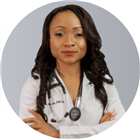
Who is a dermatologist?
The derma or skin, the largest and heaviest organ in the body, protects the body and internal organs from cold, heat, bacteria, germs, viruses, fungi, and more. It helps regulate body temperature and boosts your immune system. Most diseases or ailments first show their symptoms on the skin. Therefore, it is a good indicator of overall health and well-being.
A dermatologist, commonly called a skin specialist, is a certified doctor specializing in preventing, diagnosing, managing, and treating health conditions affecting the skin, nails, hair, and membranes. The field of study associated with skin is called dermatology.
A dermatologist can examine a prominent birthmark in a baby to determine whether it is life-threatening. They study the moles on your body to detect any early signs of melanoma or skin cancer and offer the necessary treatment. Dermatologists can also effectively diagnose rashes or skin allergies and prescribe appropriate medications or ointments to relieve the redness and itching. They can check the membranes that cover your internal organs and detect life-threatening conditions that require immediate specialist attention. Additionally, dermatologists can effectively treat hair loss in young men and women.
Common skin conditions treated by a dermatologist
There are hundreds of conditions that can affect our skin. Traditional and online dermatologists can identify the issues and provide effective treatment. The most common skin conditions that people experience during their lifetime include:
Acne is the most commonly observed skin condition among people in the country. It occurs when the sebaceous glands secrete too much oil or sebum, which blocks the tiny hair follicles. The different kinds of acne include pustules, papules, cysts, and nodules. If left untreated, acne can be painful and even lead to scarring. Acne usually develops during puberty and affects many teenagers and young adults. In some cases, acne may also occur during adulthood or the 30s and 40s. Women are more susceptible to acne due to constant hormonal changes occurring in their bodies.
The dermatologist first conducts a detailed examination to determine the kind of acne and then provides appropriate treatment to remove and prevent acne breakouts in the future.
Eczema is a common skin condition that develops during early childhood. In some cases, it may also develop during adulthood. Different types of eczema include contact dermatitis and atopic dermatitis. Atopic Dermatitis (AD) is an eczema type, with about one in 10 people developing the condition in their lifetime, making it quite common.
Eczema causes skin rashes on the face, neck, elbows, scalp, legs, wrists, or ankles. These rashes may thicken, change color, become bumpy, and be very itchy. They may also cover significant adult body parts, resulting in more extensive dry and highly itchy areas. As of now, eczema has no cure. In most cases, it goes away on its own. Dermatologists can prescribe medications that help relieve the symptoms.
Melanoma is a severe skin cancer that can quickly spread to different body parts. It usually first develops as a pigmented portion of the skin or a mole. If a mole looks uneven or asymmetrical, has uneven color or ragged edges, and changes in size and shape, it could be an early sign of melanoma. Visit the dermatologist immediately if you notice any such characteristics in the moles on your body.
Regular mole checks and screenings with an online dermatologist near you can help detect melanoma in its initial stage and receive early treatment. After a detailed examination, the dermatologist may recommend appropriate treatment, including radiation, chemotherapy, or surgery.
The ABCDEs of melanoma
ABCDEs are the five early warning signs of melanoma that you should watch out for. These include the following:
- A for Asymmetry: A normal mole is symmetrical with equal halves. A mole with an irregular shape or two halves that look distinctly different could indicate melanoma.
- B for Border: A normal mole has a well-defined border with sharp edges. A mole with a poorly defined, scalloped, or irregular border could signify melanoma.
- C for Colour: A normal mole will be a uniform black or brown color throughout. If a mole has many colors, different shades, or an uneven distribution of color, it's a sign of melanoma.
- D for Diameter: If you find a new mole growth or an existing mole that is 6 millimeters or more in diameter or more than the circumference of a pencil eraser, it could be a sign of melanoma.
- E for Evolving: If a particular mole has changed its size or shape since your last examination or is growing and exhibits symptoms of bleeding and itching, it could be a sign of melanoma.
How to do a self-exam for skin cancer?
Here are the ways to conduct a practical skin exam at home to detect cancerous moles:
- Use a full-length mirror: Stand in front of a full-length mirror and examine the back, front, right, and left parts of your body in the mirror. Look for any new or abnormal moles.
- Check your legs, toes, between toes, and feet: Check the backs of your feet and legs, the soles of your feet, and the spaces between your toes.
- Check your palms, forearms, and underarms: Carefully check your underarms and other areas hidden from standard view. Bend your elbows and look at your forearms and palms.
- Check the neck and scalp: Use a handheld mirror to check your neck and scalp. Divide your hair to examine the scalp skin more closely.
- Check your back and buttocks: Use the handheld mirror to check your buttocks and lower back area thoroughly.
What are the treatments and procedures done by dermatologists?
Dermatologists can prescribe medication, recommend ultraviolet (UV) light therapy, or use externally applied or injectable medicines to treat patients. They can also perform chemical peels, laser treatments, sclerotherapy, skin biopsies, and mole removal.
Some other standard procedures done by dermatologists include:
- Electrosurgery: This cuts or destroys diseased tissue with the help of a high-frequency electric current.
- Excision surgery: This involves cutting off tissue using a sharp scalpel.
- Mohs surgery: This involves removing skin layer by layer to treat skin cancer.
- Cryosurgery: This destroys unwanted tissue by freezing it.
How to prepare for your online dermatologist appointment?
Once you schedule your first telemedicine dermatologist appointment, the next step is to prepare well for the session. If you are unsure where to begin, follow these expert-recommended tips to have a productive consultation:
- Keep your health information ready: Your dermatologist will ask you multiple questions or request you to fill out patient forms to gather information about your skin issues and overall health status. It will help them make an accurate diagnosis and prepare a relevant treatment plan. So, you must know your symptoms, when they began, what makes them better or worse, and how they affect your quality of life. You should also be ready to discuss current illnesses, allergies, medications, recent surgeries, and family history.
- Write down your questions: If you have any questions regarding your condition, treatment options, or preventive strategies, it is a good idea to write them down so you do not forget anything during the appointment.
- Have photo documentation of your condition: Examining skin, hair, or nails online is not impossible, but it can be challenging. That's why providing a visual record of your condition for your dermatologist's reference can be useful. A few pointers to remember before you click the photos: remove make-up, nail polish, and other products, ensure the lighting is proper, and take close-up shots of the affected areas.
- Do not do anything to your skin: Avoid any activities or products that can irritate your skin before your appointment. For example, do not take an extremely hot or cold shower and stay clear of cosmetics. Showing your skin in its natural state will allow the dermatologist to assess your condition correctly.
- Find a good spot for the consultation: For a successful appointment, choose a private space in your home with good lighting, high-speed internet connectivity, and minimal distractions.
How do you find good online dermatologists near you?
Zocdoc stands out as the go-to platform for a seamless and efficient experience in finding a qualified and experienced online dermatologist. With Zocdoc, you can easily connect with top-rated dermatologists, ensuring you receive the best care for your skin concerns.
The process is simple and user-friendly. By entering your specific symptoms, location, preferred appointment date, and insurance details, Zocdoc quickly generates a curated list of highly qualified dermatologists to address your needs.
If you want to find a doctor who accepts your insurance, add your insurance information (your insurance provider and plan) to the Zocdoc search. It will help you see in-network providers who accept your plan. When you search for providers on the Zocdoc app on your phone, upload a photo of your insurance card (this option is not available for vision or dental plans), and we will scan and display your insurance plan. It will help you find accurate results of in-network online dermatologists near you. Check out Zocdoc's patient help center for more information and solutions related to insurance.
To cater to your unique preferences, Zocdoc offers advanced filtering options, allowing you to choose a dermatologist based on factors like gender, hospital affiliations, and language proficiency. This personalized approach ensures you find a dermatologist who meets your medical requirements and makes you feel comfortable during the consultation.
With Zocdoc, you can secure appointments with online dermatologists near you at your convenience, whether you need immediate attention or prefer to schedule in advance. The platform even offers weekend appointments before 10 am and after 5 pm, accommodating your busy schedule.
All appointments made through Zocdoc are simple, secure, and free!
Statistics on dermatologists, melanoma, and eczema
According to a May 2023 report by the US Bureau of Labor Statistics website, the nation has about 12,040 practicing dermatologists.
The American Cancer Society predicts about 100,640 new cases of melanoma by 2023 (roughly 41,470 in women and 59,170 in men). Additionally, about 8,290 people (approximately 2,860 women and 5,430 men) are expected to perish due to melanoma.
The National Eczema Association reports that approximately 31.6 million individuals (10.1%) in the nation suffer from some form of eczema, with the highest prevalence occurring during early childhood. Around 9.6 million children (1 to 17 years) have atopic dermatitis, and one-third experience mild to severe symptoms. The childhood prevalence of atopic dermatitis has increased from about 8% to about 15% since 1997.
Sources
American Academy of Dermatology Association[1]
American Academy of Dermatology Association[2]
American Academy of Dermatology Association[3]
American Academy of Dermatology Association[4]
American Academy of Dermatology Association[5]
News Medical Life Sciences
WebMD
Cleveland Clinic
Healthline
MedicalNewsToday
National Eczema Association
U.S. Bureau of Labor Statistics
American Cancer Society