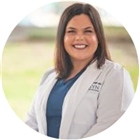
Who is a gynecologist?
A gynecologist is a certified doctor specializing in preventing, diagnosing, and treating female reproductive system diseases. This system consists of various organs, such as the vagina, vulva, ovaries, cervix, uterus, breasts, and fallopian tubes.
Gynecologists are involved with female reproductive health from puberty to menopause and beyond. They can diagnose and treat various menstrual and reproductive health problems like heavy menstrual bleeding, painful periods, absence of periods or irregular periods, vaginal infections, pain during intercourse, uterine fibroids, endometriosis, ovarian and cervical cancer, chronic pelvic pain, and so on.
Obstetrics is a specialty in medicine that deals with pregnancy management, labor, childbirth, and post-natal care. Since obstetrics and gynecology are interlinked, most gynecologists also undergo training in obstetrics to become obstetrician-gynecologists (OB-GYNs or OB-GYN specialists). OB-GYNs help with preventive care, family planning, diagnosis and treatment of sexually transmitted diseases, menstrual issues, and pregnancy care.
What should you expect when you visit the gynecologist?
The purpose of the visit and each patient's circumstances determine what happens at the gynecologist appointment. For a young girl visiting for the first time, the session may consist of a brief conversation with the doctor, some general health information, and future expectations. They may recommend annual visits to maintain good reproductive health.
For a woman who wants to undergo a well-woman health check-up or suffers from reproductive health issues, the gynecologist may begin by asking various health-related questions. Give an honest and detailed account of your lifestyle and health concerns to help them better understand your condition and initiate appropriate diagnostic procedures.
Next, the gynecologist will conduct a detailed internal and external physical examination. Depending on your symptoms, the gynecologist may first examine your vulva - the opening of the vagina. Next, they will conduct an internal pelvic examination with the help of a particular medical device called a speculum. The gynecologist will check the inside of the vagina and the cervix area for any infection or injury. They will collect tissue samples from the cervix and conduct a pap smear test to check for any disease or possible signs of cancer.
External physical exams may include pressing the abdomen and pelvic region or inserting a gloved finger into the rectum to check for anomalies, problems, or infections. They may even physically examine the breast area to check for numbness, redness, cysts, or lumps that may indicate breast cancer.
After a detailed diagnosis, the gynecologist will suggest a treatment plan involving medication or surgery. They may even refer the case to a specialist for a more thorough analysis and treatment.
What is abnormal menstrual bleeding?
Menstrual bleeding typically occurs almost every 28 days. It lasts about five days and involves losing 2 to 8 tablespoons of blood. When a woman experiences vaginal bleeding differently from the normal menstrual cycle, it is called abnormal menstrual bleeding or irregular periods. Since every woman is biologically different, the many variations in bleeding duration, amount, and timing are considered normal. Common signs of abnormal menstrual bleeding include the following:
- Shorter or longer periods than normal
- Bleeding post menopause
- Bleeding or spotting between periods
- Bleeding after sex
- Unusually light or heavy flow during periods
- Missing periods
- The more frequent menstrual cycle than normal
See a gynecologist near you immediately if you notice the above symptoms.
Causes
Some of the various causes of abnormal menstrual bleeding include the following:
- Hormonal changes in the body
- Polycystic ovary syndrome
- Sexually transmitted diseases
- Cervical disorders
- Endometrial hyperplasia (build-up or thickening of the uterus's inner and outer lining)
- Menstrual dysfunction
- Use of intrauterine devices for birth control
- Birth control pills
- Tumors, fibroids, or polyps in the cervix, uterus, fallopian tube, or vagina
- Pregnancy complications
- Certain medications
- Cancer
Diagnosis and treatment
Gynecologists may ask for your detailed medical history, including necessary information about your menstruation cycle and bleeding. Therefore, you need to record your monthly cycles, including the start and end dates, other bleeding instances, amount of blood flow, and any other abnormal signs during periods. The gynecologist may also conduct a detailed physical exam. Depending on the condition, they may recommend additional screening tests such as ultrasound, blood test, urine test, diagnostic hysteroscopy, laparoscopy, and endometrial biopsy.
The cause of abnormal menstrual bleeding, the patient's age, and other variables will all affect the course of treatment. Depending on the severity of the issue, gynecologists may suggest simple lifestyle changes, prescribe medicines, or advise surgery.
Regulate your periods with these simple hacks
Fluctuations in the normal period cycle can cause a lot of problems. But here are some simple ways you can get it back on track:
- Diet changes: Overeating, too little, or eating the wrong foods can stress the hypothalamus, pituitary, and adrenal glands. These glands control the body's hormone balance, which can affect your period cycle. For instance, a lack of carbohydrates in your diet may disrupt thyroid function and shrink leptin levels, leading to irregular or missed cycles. At least 45 to 65% of your daily calorie intake should come from carbohydrates and 20 to 35% from fats. Likewise, you need about 25 to 30 grams of fiber and 400 micrograms (mcg) of folate daily. Also, eating pineapple and papaya is good for menstrual health.
- Healthy weight: Body weight does affect the menstrual cycle, but exactly how it affects it is not clear yet. Being overweight can cause painful periods, irregular periods, and even infertility. So, maintaining a healthy BMI is the key to having a normal period cycle.
- Regular exercise: Being physically active is vital for your body. It helps keep you fit and lowers your risk of diseases, including PMS symptoms and painful periods. A regular 30 minutes of aerobic exercise every day is enough. You can walk, run, cycle, or swim.
- Sleep habits: Lack of or poor quality sleep can also affect your menstrual cycle. Hence, improving your sleeping habits is crucial. These entail going to bed and waking up at about the same time every day, not taking naps, not reading or watching TV in bed, and avoiding caffeine after noon.
- Stress management: Adrenal glands secrete cortisol and progesterone to cope with stress, which can interfere with your usual menstrual cycle. So, it is important to manage stress. Deep breathing and meditation can reduce chronic stress, improve your mental health, and restore the normal cycle. Also, it is proven that doing yoga for 35 minutes daily, 5 days a week, can improve your cycle regularity and reduce pain and related gastrointestinal symptoms.
These are general suggestions that may or may not work for everyone. So, seeing an expert, like a gynecologist or an OB-GYN, is the best bet if you want personalized advice.
Finding the best gynecologist near you in Houston, TX
With Zocdoc, you can easily find the best and most experienced board-certified gynecologists in Houston, Texas.
The process is simple. Start by creating a free account on Zocdoc. Next, choose your condition or specialty, location, date, and insurance plan. A comprehensive list of doctors based on your search criteria will appear. You can even use the Zocdoc insurance detector if you need clarification on your insurance plan. Besides, uploading a photo of your medical insurance card can help you select your insurance plan more efficiently. However, it is not necessary. You can manually pick your plan from the provided list if you want to skip the upload. Visit Zocdoc's patient help center if you face any insurance-related trouble.
Each gynecologist on Zocdoc has a personalized profile, including their education qualifications, practice location, languages they speak, and reasons for visiting. Therefore, you learn everything you need about a particular gynecologist on a single platform.
After completing an appointment, Zocdoc asks the patient to leave a review. So, the best way to find the most trusted gynecologist is to read updated patient reviews on Zocdoc. You can refine the search results by gender if you want female or male gynecologists. You can also book video appointments on Zocdoc before an in-person visit to better understand your gynecologist. Look for a purple video icon on gynecologists' profiles or filter the video appointment selection.
Book an appointment with the best gynecologist near you who accepts your insurance plan in real-time. All Zocdoc bookings are simple, secure, and free!
Statistics on OB-GYNs, fertility rate, birth rate, and cancer in Texas, USA
According to the May 2023 U.S. Bureau of Labor Statistics data, the USA had about 19,820 practicing OB-GYNs. Texas ranked fifth among all states, with almost 910 employed OB-GYNs.
The 2022 estimates by the Centers for Disease Control and Prevention reveal that Texas had a fertility rate of about 61.9 births per 1,000 women in the 15-44 age group. The teen birth rate was around 20.4 births per 1,000 teen girls in the 15-19 age group. The infant mortality rate was about 5.72 infant deaths per 1,000 live births. As per the report, the evaluated cesarean delivery rate was 34.7, the low birth weight rate was 8.74, and the preterm birth rate was 11.26.
The American Cancer Society estimated about 23,290 breast cancer, 4,790 uterine corpus, 1,680 ovarian, and 1,450 cervical cancer cases in Texas in 2024.
Sources
Cleveland Clinic
WebMD
Medical News Today
Healio
Baylor Medicine
U.S. Bureau of Labor Statistics
Centers for Disease Control and Prevention
Cancer Statistics Center[1]
Cancer Statistics Center[2]
Healthline













-De-La-Garza-FNP-C-650718-circle_medium__v1__.png)