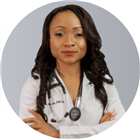
Pediatric dermatologists are specialized doctors who address skin, hair, and nail issues in children ranging from infants to teenagers. They are adept at diagnosing and treating various conditions including acne and skin cancer. Typically, a referral from a pediatrician is required for a child to see a pediatric dermatologist. Children may encounter skin problems distinct from those in adults, and pediatricians are skilled in identifying such issues and determining if a consultation with a pediatric dermatologist is necessary.
Furthermore, children undergo unique emotional experiences when dealing with health issues, which are different from those of adults. Pediatric dermatologists are trained to create a comforting environment for children in medical settings, aiming to alleviate any anxiety or fear they may have.
What is the role of a pediatric dermatologist?
Pediatric dermatologists practice in clinical or hospital settings, where their primary focus is diagnosing and addressing skin, hair, nail and mucous membrane-related concerns in children. Their responsibilities include:
- Addressing various skin conditions, such as dermatitis, birthmarks, psoriasis, eczema, allergic reactions, vitiligo (loss of skin pigment), and other related issues.
- Performing procedures like removing skin growths such as warts, cysts, or moles, laser treatments, and skin biopsies.
- Managing and treating skin cancer cases.
- In addition, they may prescribe medications and develop comprehensive, long-term treatment plans for persistent or chronic conditions.
Education and qualifications required to be a pediatric dermatologist
To pursue a career in pediatric dermatology, an individual must undertake the following steps:
- Graduate from either a medical or osteopathic medical school.
- Complete a residency program consisting of three years in dermatology, two years in pediatric residency, or a combination of both.
- Undergo a one-year fellowship focused explicitly on pediatric dermatology.
- Attain certification in general dermatology through either the American Board of Dermatology or the American Osteopathic Board of Dermatology.
- Achieve certification in pediatric dermatology through the American Board of Dermatology or the American Osteopathic Board of Dermatology.
The process typically spans seven to ten years, ensuring the pediatric dermatologist receives comprehensive education and training. The years of schooling and on-field experience promise excellent healthcare and ensure that your kids will be in the care of a highly educated and proficient professional.
What should you anticipate during a visit to a pediatric dermatologist?
When bringing your child to a pediatric dermatologist near you for the first time, ensure you bring along their medical history and insurance documents. The pediatric dermatologist must comprehensively understand your child's medical background before diagnosing or recommending treatment.
Subsequently, the pediatric dermatologist will conduct a physical examination tailored to your child's specific issues. This examination may involve procedures such as a urine or blood test, skin biopsy, or a series of inquiries. To make the appointment convenient for your child, it can help to wear comfortable and loose-fitting clothes.
Following the examination, the pediatric dermatologist may suggest a course of treatment, which could include prescribing a cream, recommending dietary changes, or proposing the removal of growths. Depending on the prescribed treatment, you might need to schedule additional appointments or procedures.
Given their specialization in children's medicine, pediatric dermatologists design their offices and equipment with children's comfort in mind. They recognize that children may struggle to articulate their symptoms or understand their health issues. As a result, a pediatric dermatologist should communicate with your child in a manner that reflects respect and understanding.
Common medical conditions treated by pediatric dermatologists
The pediatric dermatologist caring for your child might seek advice from specialists in allergy and immunology, infectious disease, oncology, rheumatology, plastic surgery, and other relevant fields when required. Here are some common medical issues a pediatric dermatologist near you can help you with:
- Atopic dermatitis: Also known as eczema, this is a dermatological condition characterized by dry, itchy, and inflamed skin. Although it frequently appears in young children, it can affect individuals of any age. This chronic condition tends to have periodic flare-ups. While atopic dermatitis can be uncomfortable, it is not contagious. Suffering from atopic dermatitis can also make you more susceptible to developing food allergies, hay fever, and asthma. Regular moisturizing and adhering to proper skin care routines can help alleviate itching and prevent flare-ups. Treatment may also entail the use of medicated ointments or creams.
- Acne: When hair follicles are clogged with oil and dead skin cells, they can cause acne. Though effective acne treatments exist, the condition can be persistent. Pimples and bumps often heal slowly, and new ones may appear while the others go away. The severity of acne can lead to emotional distress and skin scarring.
- Contact dermatitis: This is an itchy rash caused by contact with a substance or an allergic reaction to it. Although the rash is not contagious, it can be pretty uncomfortable. Various substances, including cosmetics, fragrances, jewelry, and plants, can trigger this reaction. The rash typically appears within days of exposure. To effectively treat contact dermatitis, it's essential to identify and avoid the cause. Once the offending substance is avoided, the rash usually clears up within two to four weeks. You can also soothe your skin with a cool, wet cloth and other self-care measures.
- Psoriasis: This medical condition involves a rash with itchy, scaly patches. It is commonly found on the knees, elbows, trunk, and scalp. This long-term disease has no cure and can cause pain, disrupt sleep, and hinder concentration. Psoriasis often goes through cycles, with flare-ups lasting for weeks or months, followed by periods of remission. Common triggers for those genetically predisposed to psoriasis include infections, cuts or burns, and certain medications. Various treatments can help manage symptoms, and adopting certain lifestyle habits and coping strategies can improve the quality of life for those living with psoriasis.
- Moles: Moles (also called nevi) are common skin growths that appear as small, dark spots caused by melanocyte clusters. Most people develop 10-45 moles by age 40, typically smaller than 6mm. Normal moles vary in color (brown, tan, black, red, or pink), texture (smooth or rough), and shape (round/oval). They may become larger and darker with age. While usually harmless, some may become cancerous. Changes in moles should be monitored using the ABCDE rule: Asymmetry, irregular Borders, Color changes, Diameter >6mm, and Evolution (changes over time). Note that dermatosis papulosa nigra (common in Black women) are benign growths, not true moles. Regular skin checks help detect potential melanoma early.
- Warts: Common warts are small, rough skin growths caused by HPV (human papillomavirus), often appearing on fingers or hands. They may contain tiny black dots (clotted blood vessels) and spread through touch, developing 2–6 months after exposure. Symptoms include fleshy, grainy bumps, rough texture, and black speckles. High-risk groups are always children, nail-biters, and immunocompromised individuals (e.g., HIV patients or transplant recipients). While typically harmless and often resolving on their own, many people choose to remove them for cosmetic or comfort reasons. See a doctor if warts are painful, spreading, recurrent, or appear on the face, feet, or genitals and interfere with your daily life.
- Vitiligo: It is a disorder that causes depigmentation, leading to white patches on the skin, hair, and mucous membranes due to malfunctioning or absent melanocytes. It often appears before age 30 and affects all skin types, though it is more noticeable in darker skin. Types include generalized (symmetrical patches, most common), segmental (one-sided, usually stabilizes), universal (nearly all skin), focal (limited areas), and acrofacial (face/hands). While not contagious, it can impact self-esteem; progression varies—some patches stabilize while others spread. Potential causes include autoimmune factors, genetics, and triggers like stress or chemical exposure. Treatments may restore color but don't prevent recurrence.
How do you find the best pediatric dermatologist near you?
Finding a top-rated pediatric dermatologist is crucial for your child's health. However, finding a trustworthy doctor who accepts your insurance can be daunting. Finding a good dermatologist among the sea of online profiles and lists in directories is extremely difficult.
With Zocdoc, you can quickly contact a dermatologist with just a few clicks. You must search for the specialist you need, the location, and the desired appointment date. Zocdoc will display a comprehensive list of doctors who qualify for these criteria. You can even streamline your search results further by specifying your insurance plan, making your appointment hassle-free. If your insurance plan isn't listed on Zocdoc, you can upload a photo of your medical insurance card. Our system will scan the image and display your likely plan. If you encounter any issues while uploading the picture, the Zocdoc service team can assist you. This feature excludes medical insurance cards and does not extend to vision or dental plans.
At Zocdoc, we make this entire process transparent too. You can look at the doctor's profile on Zocdoc and find out their educational qualifications and, most importantly, patient reviews and ratings. You have reviews from verified patients that can help you make a decision in choosing the best healthcare professional.
If you cannot make an in-person visit to the doctor, video appointments are also an option. A purple video icon on the doctors' profiles indicates they take online consultations.
Zocdoc makes your search for a pediatric dermatologist near you accessible, easy, and quick!
Statistics on pediatric dermatology in the US
Between 10% and 30% of all visits to pediatric primary care involve issues related to the skin. The most frequently encountered conditions include skin infections, atopic dermatitis, seborrheic dermatitis, contact dermatitis, acne, and infestations.
In a study encompassing 205 telehealth visits and 1,283 office visits, the prevailing conditions observed were acne vulgaris (24%), atopic dermatitis (17%), melanocytic nevi (11%), viral warts (10%), unspecified dermatitis (10%), seborrheic dermatitis (5%), hemangiomas (5%), molluscum contagiosum (4%), scars (4%), and postinflammatory pigmentation (3%).
A study (2024) published in the National Library of Medicine, projected an increase of 12.45% of dermatologists in the US by 2036. As of 2021, the dermatologist adequacy to meet demands was 109% and 39% in metropolitan and non-metropolitan areas respectively. This trend is expected to continue till 2036 as well.
Sources
WebMD
Journal of Drugs in Dermatology
Society for Pediatric Dermatology
Mayo Clinic[1]
Mayo Clinic[2]
Mayo Clinic[3]
Mayo Clinic[4]
Mayo Clinic[5]
Mayo Clinic[6]
Mayo Clinic[7]
Mayo Clinic[8]
Mayo Clinic[9]
National Library of Medicine