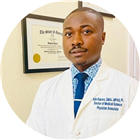
Who is a nurse practitioner?
A nurse practitioner (NP) is part of a healthcare team with the clinical expertise to diagnose and treat certain health conditions. Their practice emphasizes health management and disease prevention. They also focus on bringing a personal touch and comprehensive perspective to health care. Their responsibilities include gathering and recording a patient's medical history, diagnosing illnesses, writing medication prescriptions, and recommending patients to specialists. Moreover, they also teach patients about medical treatments and conditions.
What education and training do nurse practitioners have?
Aspiring nurse practitioners need to apply for registered nurse (RN) licensure. However, they must first opt for a Bachelor of Science in Nursing (BSN) or an Associate Degree in Nursing (ADN). During the four years of a BSN program, they spend between 700 and 800 hours working with patients. The duration of an ADN program is two years. Once they have the degree, they must pass the National Council Licensure Examination (NCLE) to become licensed.
They must also earn an advanced degree—a Doctor of Nursing Practice (DNP) or a Master of Nursing Science (MSN). The DNP and MSN degree programs are three to five years and two to three years, respectively. The coursework of a DNP includes at least 500 hours of supervised clinical work.
Finally, nurse practitioners must pass the National Nurse Practitioner Certification Board Exam to become licensed nurse practitioners.
History of the nurse practitioner profession
The nurse practitioner (NP) profession has a relatively short but impactful history that emerged as a response to healthcare needs, provider shortages, and changing healthcare paradigms. Here's an overview of the history of the nurse practitioner profession:
- 1950s-1960s: Early beginnings
The NP profession has its roots in the mid-20th century when healthcare professionals, particularly nurses, recognized the need for advanced practice roles to meet the growing demand for primary care services. Nurse pioneers like Loretta Ford and Henry Silver developed the first NP program at the University of Colorado in 1965. It concentrated on family health, disease prevention, and health promotion.
- The 1970s: Formalization and growth
The 1970s saw the formalization and expansion of NP programs across the United States. Nursing administrations like the American Nurses Association (ANA) began The Council of Primacy Care Nurse Practitioners, which was vital in establishing standards and advocating for the NP role. By 1979, almost 15,000 nurse practitioners were practicing around the USA.
- 1980s-1990s: Increasing acceptance
NPs gained recognition during this period as valuable healthcare team members, particularly in providing primary care services. Approximately one hundred founding members established the American Academy of Nurse Practitioners (AANP). Many states stretched their scope of practice laws to grant NPs greater autonomy, allowing them to diagnose, treat, and prescribe medications. NPs also started getting paid through government programs like Medicare for health care. The American Academy of Nurse Practitioners Certification Program came into existence in 1993. Till 1999, over 60,000 NPs were practicing around the country.
- 2010s-Present: Increasing demand and recognition
The 25th anniversary of AANP is extensively focused on redefining the NP's role in addressing the growing need for healthcare services, particularly in underserved and rural areas. Moreover, almost 245,000 NPs are expected to be practicing all over the nation by 2025.
The NP profession continues evolving, with many NPs specializing in different areas.
What are the different nurse practitioner subspecialties?
A nurse practitioner near you specializes in a specific domain, like most doctors and surgeons. Nurse practitioners specializing in particular areas care for people in different healthcare settings. The following are the subspecialties for nurse practitioners:
- Family nurse practitioner (FNP): An FNP provides various healthcare services to patients of all ages.
- Pediatric nurse practitioner (PNP): A PNP offers primary care for young patients, ranging from babies to teenagers. They diagnose health conditions, recommend diagnostic tests, and offer treatment.
- Geriatric nurse practitioner (GNP): A GNP works with older adults. They provide education and primary care to patients. They may work with diabetic patients and nursing home residents.
- Adult nurse practitioner (ANP): An ANP offers primary care services to adults, including education, exams, prescriptions, and treatments.
- Neonatal nurse practitioner (NNP): An NNP works with newborns in delivery, neonatal intensive care, and labor units. They also provide counseling and education to new parents.
- Women's health nurse practitioner (WHNP): A WHNP focuses on providing gynecological and reproductive care to women by looking after their health concerns.
- Acute care nurse practitioner (ACNP): An ACNP works in emergency rooms and urgent care centers. They treat severe and sudden illnesses or injuries.
- Occupational health nurse practitioner (OHNP): An OHNP provides employee education and treats workplace injuries.
Where do nurse practitioners work?
You can find the best nurse practitioners near you. They most frequently work in hospitals. As patient care team members, they collaborate with surgeons and surgical technicians. They document patients' symptoms and medical backgrounds while preparing them for diagnostic procedures or treatments. They may also go on routine patient rounds and provide post-operative care.
Emergency nurse practitioners (ENPs) undergo emergency procedures and have critical care training. They typically work in hospital emergency rooms. They collaborate with other healthcare professionals and often teach the patient's family how to ensure their safety and prevent further illness or injury.
Walk-in clinics, also called urgent care centers, treat minor illnesses or injuries. They are typically found in pharmacies, shopping centers, stores, and community clinics. NPs licensed in urgent care clinics assist with lab tests like X-rays and provide acute care and treatment.
NPs specializing in geriatric care treat elderly patients with chronic conditions in nursing homes. They record the patient's vital signs, monitor their treatment plan, and give medication. Most are independent workers who visit nearby senior facilities to perform vascular treatments and procedures on patients with venous and vascular problems.
NPs collaborate with certified school nurses (CSNs) in school health clinics. They provide regular health examinations, treat injuries, and counsel students on sexual health or sexually transmitted diseases (STDs).
How is visiting a nurse practitioner near you different from visiting a doctor?
Generally, nurse practitioners and physicians work together, so when you visit their offices, you can see either one. However, you can consult a nurse practitioner straight away instead of a doctor. That's because appointments with them can be more convenient and less expensive than those with doctors.
Moreover, doctors and nurse practitioners have different licenses and training, with the latter focusing more on preventing disease and improving health.
Because of this, some surveys have shown that patients usually are happier with nurse practitioners than doctors.
The scope of practice for nurse practitioners
Nurse practitioners have a wide practice, which enables them to conduct thorough assessments, make accurate diagnoses, and provide appropriate treatments. They also comprehensively understand pharmacological and non-pharmacological options to ensure the best possible outcomes for their patients. Nurse practitioners can work independently or in collaboration with other healthcare providers.
According to the Advanced Practice Registered Nurses (APRN) consensus model, CRNAs (certified registered nurse anesthetists), certified nurse midwives, and clinical nurse specialists are all considered nurse practitioners. This consensus model aims to supply direction and unity in regulating APRN roles, licensure, accreditation, certification, and education. Consequently, creating uniform licensure across states allows APRNs to utilize their teaching and license to their full potential while being able to practice across state lines as the practice environment is consistent.
Nurse practitioner vs. family nurse practitioner
Nurse and family nurse practitioners are very similar in the level of care they provide, but their roles differ regarding the population they cater to. Family nurse practitioners offer thorough care to patients of all ages and their families. In contrast, nurse practitioners usually work with a particular age group or condition. They typically work under the supervision of a physician with a medical degree.
Differences between registered nurses and nurse practitioners
The primary difference between registered nurses (RNs) and nurse practitioners (NPs) is their roles, responsibilities, and required education. Both focus on patient care and observation, but NPs have greater autonomy due to their advanced training. Nurse practitioners are authorized to prescribe medications, order tests, and diagnose medical conditions—tasks typically performed by physicians. In contrast, RNs work under a physician who oversees patient care, diagnoses, and follow-up plans.
For example, in Massachusetts, NPs can practice independently, serving as primary care providers without physician oversight. NPs also manage patient panels, coordinate referrals, collaborate with specialists, and take full responsibility for patient care.
To become an RN, individuals must complete an accredited nursing program, complete the National Council Licensure Examination, and obtain state licensure. Educational requirements vary by state, with some accepting an associate's degree and others requiring a bachelor of science in nursing (BSN). The BSN is increasingly recommended for career advancement.
Nurse practitioners must meet more advanced requirements, including getting a master of science in nursing or higher, completing additional clinical hours, and obtaining certifications for specialized patient populations if needed. These distinctions underscore nurse practitioners' expanded roles and responsibilities compared to registered nurses.
How do you find the best nurse practitioners near you in McKinney?
NPs make patients feel comfortable and cared for during medical procedures or exams. A nurse practitioner can often see you sooner than a senior primary care doctor. Zocdoc aims to connect patients with the best healthcare providers available.
On Zocdoc, you can enter your condition, location, date, and insurance plan and click the "find" button to locate the best healthcare providers. If you are unsure about your insurance plan, check our Zocdoc's insurance checker to find yours. You can add medical, dental, and vision insurance plans to your Zocdoc account.
However, when searching for and booking an appointment, you'll need to choose just one insurance plan at a time. If you have more than one plan, you can note your secondary insurance carrier and plan details in the " notes for provider" section at the last step of booking.
If your provider uses Zocdoc's Intake forms, you can add secondary insurance when completing your forms online. For any additional questions about insurance, visit Zocdoc's insurance page.
Additionally, Zocdoc makes it easy to find healthcare providers based on their specialization, availability, gender, hospital affiliation, languages spoken, and whether or not they treat children.
Each provider's Zocdoc profile includes details about their education and training, experience, certifications, professional memberships, and licenses. The profile also includes patient reviews and ratings, which Zocdoc consistently updates. The ratings will help you locate the top-rated nurse practitioner in McKinney, Texas.
Zocdoc allows you to schedule in-person or online video appointments. You can filter to find providers offering video consultations or look for the purple video button to book a consultation.
Locating the best nurse practitioners near you is now easier! All appointments with Zocdoc are 100% free and secure.
Nurse practitioner statistics in Texas
The U.S. Bureau of Labor Statistics reported that in 2023, there were about 280,140 nurse practitioners in Texas. This represents one of the highest employment levels for NPs in any state, clearly showing that NPs are sought-after in Texas. The metropolitan area of Houston-The Woodlands-Sugar Land, TX employed one of the highest numbers of NPs in 2023.
According to the Texas Board of Nursing, in 2020, there were around 737 NNPs, 987 WHNPs, 1,770 PNPs, and 927 ANPs in Texas. The state also had about 94 emergency nurse practitioners, 12 perinatal nurse practitioners, and 870 acute care adult nurse practitioners.
Sources
WebMD
everynurse.org
NursingLicenseMap
American Association of Nurse Practitioners[1]
American Association of Nurse Practitioners[2]
Healthline
Verywell Health
Nursingprocess.org
UCF Health
U.S. Bureau of Labor Statistics
Texas Board of Nursing
University of Pittsburgh
Simmons University
Regis College