Who is a nurse practitioner?
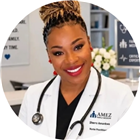
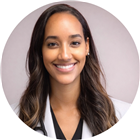
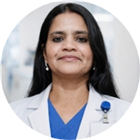
A nurse practitioner (NP) blends clinical expertise to diagnose and treat health conditions. They emphasize disease prevention and health management. They focus on bringing a comprehensive perspective and personal touch to health care. They collect and record patients' medical histories and write prescriptions for them. Moreover, they also teach their patients about medical conditions and treatments.
What is the education and training of nurse practitioners?
To become an NP, one must apply for registered nurse (RN) licensure. Therefore, one must first choose a Bachelor of Science in Nursing (BSN) of four years or a two-year Associate Degree in Nursing (ADN). During the BSN program, they work between 700 and 800 hours with patients. They then take the National Council Licensure Examination (NCLEX) to become licensed RNs. The exam tests their critical thinking skills and knowledge related to nursing. After they pass the NCLEX, they apply for an RN license in their state.
Afterward, they enroll to earn an advanced degree — a Doctor of Nursing Practice (DNP) or Master of Nursing Science (MSN) degree. The DNP and MSN degree programs are three to five years and two to three years, respectively. The coursework of a DNP includes at least 500 hours of supervised clinical work.
Finally, NPs pass the National Nurse Practitioner Certification Board Exam to become licensed NPs. They periodically renew their state licenses and certifications by meeting specific requirements, including continuing education.
Autonomy and importance of nurse practitioners
Around half of the states in the United States allow nurse practitioners to operate without the supervision of a doctor. This grants them complete autonomy to practice and even work in private settings. However, some have raised concerns regarding their independence in the medical community. In response, nurse practitioners claim they know when to refer patients to specialists or doctors due to their extensive training.
Moreover, the increasing number of nurse practitioners has been a massive boon to the U.S. This is because of the shortage of primary care doctors who can cater to patients in a given setting. Therefore, nurse practitioners have a broader application compared to registered nurses. Their duties and responsibilities include the following:
- Diagnosing and treating diseases and illnesses
- Conducting lab diagnostics and medical tests
- Interpreting test results
- Coordinating with primary and emergency care
- Acting as primary care providers
- Conducting patient education and counseling
- Encouraging preventive care and health promotion
The only minute difference between nurse practitioners and doctors is that doctors can provide specialized care and perform surgical procedures. However, most nurse practitioners near you collaborate with other healthcare professionals. They are responsible for providing long-term care for patients and ensuring their satisfaction.
Patients can also benefit from nurse practitioners due to lower healthcare costs. Nurse practitioners can also act as administrators, researchers, educators, and mentors in various settings. They have the right to act and participate in local, state, national, and international health policy activities. Therefore, nurse practitioners greatly complement primary care doctors instead of replacing them.
What are the different nurse practitioner subspecialties?
Every NP has a specialty, much like surgeons or doctors. The NP specialties provide care to multiple people in different healthcare settings. Listed below are the subspecialties for NPs:
- Acute care nurse practitioners (ACNPs) — work in urgent care centers and emergency rooms. They treat sudden and severe injuries and illnesses.
- Family nurse practitioners (FNPs) — offer various healthcare services to patients of all ages.
- Geriatric nurse practitioners (GNPs) — provide education and primary care to older patients. They may work with nursing home residents and diabetic patients.
- Occupational health nurse practitioners (OHNPs) — offer employee education and treat workplace injuries.
- Pediatric nurse practitioners (PNPs) — provide primary care for babies and teenagers. They diagnose health conditions, conduct exams, and provide treatments.
- Adult nurse practitioners (ANPs) — offer primary care services to adults. They educate, perform exams, give prescriptions, and provide treatments.
- Women's health nurse practitioners (WHNPs) — concentrate on offering gynecological and reproductive care to women by looking after their health concerns.
- Neonatal nurse practitioners (NNPs) — work with labor units, newborns in delivery, and neonatal intensive care. They also offer education and counseling to new parents.
- Psychiatric mental health nurse practitioners (PMHNPs) — offer advanced care for psychiatric disorders. They often work with specialty and primary care providers.
Where do nurse practitioners work?
NPs have various educational backgrounds and qualifications to work in several fields of medicine. As a result, they work together with specialists, doctors, and surgeons in multiple settings.
NPs most often work at hospitals. They collaborate with doctors and surgical technicians as a patient care team. They document patients' symptoms and medical histories and prepare them for diagnostic procedures or therapies. In the case of surgeries, they may also perform regular patient rounds and offer post-operative care.
NPs treat elderly patients with chronic conditions in nursing homes. They take their vital signs, recommend treatment plans, and give medication. Most of them offer vascular treatments and procedures by visiting nearby senior facilities.
Emergency nurse practitioners (ENPs) have critical care training for emergency procedures. They treat injuries and diseases with other healthcare professionals in emergency rooms open twenty-four hours a day. Moreover, they teach the patient's family how to remain safe and prevent further illness or injury.
NPs collaborate with certified school nurses (CSNs) in school health clinics. They counsel students on sexually transmitted diseases (STDs) or sexual health, provide regular health examinations, and treat injuries.
At walk-in clinics, also known as urgent care centers, NPs treat minor illnesses or injuries. They perform lab tests like X-rays and provide acute care and treatment like doctors.
When should you visit a nurse practitioner?
You can visit a nurse practitioner near you for various healthcare needs, especially when looking for primary care services, preventive care, and minor acute care. APRNs or advanced practice nurses possess many responsibilities and capabilities within their professional domain. However, their specific services can vary depending on state regulations and their areas of expertise.
Here are some situations in which you might want to visit a nurse practitioner:
- Primary care services: NPs can provide comprehensive primary care, including general check-ups, vaccinations, and management of chronic conditions like hypertension, asthma, and diabetes.
- Preventive care: NPs can help with preventative measures such as vaccinations, regular screenings (such as cholesterol and cancer screenings), and lifestyle advice for maintaining good health.
- Minor illnesses and injuries: NPs can diagnose and provide appropriate treatment for common conditions like colds, flu, minor infections, and minor injuries like sprains or cuts.
- Management of chronic conditions: An NP can help control long-term conditions like diabetes, high blood pressure, or arthritis. They can make medication adjustments and guide the patient in adopting lifestyle changes.
- Women's health: NPs can offer various women's health services, including Pap smears, contraceptive counseling, and primary prenatal care.
- Pediatric care: NPs can care for children and offer well-child visits, vaccinations, and management of common childhood illnesses.
- Mental health: NPs offer mental health services such as therapy and counseling and help manage specific mental health disorders using medication.
- Follow-up care: After hospitalization or surgery, NPs can help with follow-up care, monitoring your recovery, managing medications, and addressing any concerns.
- Health education and counseling: Nurse practitioners can guide healthy lifestyles, diet, and exercise and manage chronic conditions through education and counseling.
Common myths about nurse practitioners in primary care
Several common misconceptions exist about the differences between nurse practitioners (NPs) and doctors, and recognizing these is critical to making a well-informed decision about your healthcare.
Myth: Nurse practitioners are "lower" than doctors:
A common myth is that nurse practitioners are somehow "lower" or lesser than doctors. However, NPs are highly trained primary care providers with a unique skill set. They complete rigorous national certification, peer reviews, and evaluations, ensuring quality care and positive clinical outcomes. The key to choosing the right provider lies in meeting your specific healthcare needs.
Myth: Nurse practitioners cannot practice independently
Whether or not an NP can practice independently depends on state regulations. Some states allow NPs to practice independently, while others impose restrictions. Currently, 28 states and Washington D.C. grant full-practice authority, while 12 have reduced practice and 10 have restricted practice. The expansion of full-practice states reflects growing recognition of NPs' potential to serve as independent primary care providers. The National Academy of Medicine supports the independent practice model, encouraging the full utilization of NPs in healthcare.
Myth: Doctors have more training than NPs
Although doctors and NPs receive similar foundational education, their training models differ. Doctors are educated under a medical model focusing on diagnosing and treating diseases. In contrast, NPs follow a nursing model emphasizing holistic patient care, treating the whole person rather than just symptoms. NPs also have a stronger emphasis on preventive care. While medical school includes extensive clinical practice and residency training, NPs first complete nursing requirements, work as registered nurses (RNs), and then pursue a two- to three-year master's or doctorate program in nursing. Upon graduation, NPs must pass a national certification exam to practice.
Myth: Doctors provide better care than NPs
The quality of care you receive is often more influenced by the relationship between you and your provider than by their specific title. NPs are also equipped to provide triage care in emergency rooms and can recognize emergencies and make referrals, just like doctors. In many cases, NPs deliver exceptional care that rivals physicians in terms of skill and effectiveness.
How can you find the best nurse practitioner in Phoenix?
NPs ensure patients are healthy, at ease, and well-cared throughout any medical exam or procedure. Often, they can see you before a senior primary care doctor. Hence, to find an exemplary nurse practitioner, you can rely on Zocdoc – a platform that matches patients with the best providers possible.
You can find providers by entering your condition, location, date, and insurance plan and clicking the "find" button on Zocdoc. Also, you can use a filter to search for providers based on gender, availability, specialization, visit reasons, hospital affiliation, languages, and whether or not they treat children.
Each provider on Zocdoc has a profile that includes their education and training, certifications, experience, professional memberships, awards, and licenses, among other details. Additionally, you will find verified reviews and ratings on their profile. You may locate the top-rated nurse practitioner near you by reviewing the ratings.
On Zocdoc, you can instantly schedule in-person and online video appointments. You can also locate providers offering video consultations by filtering video availability or looking for the purple video button on the provider's profile.
Moreover, you can customize search results to display nurse practitioners who accept your insurance. You can do it by choosing your plan from the search bar or updating your insurance information on your Zocdoc account. Accordingly, you can click and upload a picture of your insurance card if you're searching from a smartphone or tablet. Check out Zocdoc's insurance FAQs to learn more.
Booking appointments with Zocdoc are easy, 100% free, and secure.
Nurse practitioner statistics in Arizona, USA
In May 2021, the U.S. Bureau of Labor Statistics reported almost 5,110 NPs in Arizona. According to the Kaiser Family Foundation report, Arizona had nearly 3,550 NPs in August 2022.
NPs treat various conditions, including diabetes, high blood pressure, and asthma. America's Health Rankings Annual Report shows that in 2021, about 11% of adults in Arizona had diabetes. The percentage of adults having diabetes increased from nearly 10.4% in 2017 to approximately 11% in 2020 and 2021.
As per the 2020 Centers for Disease Control and Prevention dataset, almost 550,729 adults in Arizona had asthma in the same year. America's Health Rankings report shows that about 9.4% of Arizona adults had asthma in 2021. Another annual report by America's Health Rankings shows that about 30.9% of adults in Arizona had high blood pressure in 2021.
Sources
American Association of Nurse Practitioners[1]
American Association of Nurse Practitioners[2]
Healthline
Verywell Health
Nursingprocess.org
University of Central Florida
WebMD
KidsHealth
PubMed
US Bureau of Labor Statistics
Kaiser Family Foundation
America's Health Rankings[1]
America's Health Rankings[2]
America's Health Rankings[3]
Centers for Disease Control and Prevention
NurseJournal