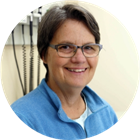
Who are OB-GYN doctors?
Like any other physician, an OB-GYN is concerned with female reproductive health. OB-GYN physicians may specialize in one or both of the following fields:
- Obstetrics primarily focuses on mothers' health — before, during, and after pregnancy. Obstetricians often have to work long or unpredictable hours and mainly deliver care surrounding childbirth or pregnancy.
- Gynecology: the field is aimed at all aspects of women's health, including treatment of diseases of the female reproductive system, screening for diseases (such as cervical cancer), or issues related to menopause, hormones, or birth control.
Practicing as an obstetrician, gynecologist, or OB-GYN requires specialization. This may take the form of additional residencies and 2 to 3-year fellowship programs in preconception care, adolescent gynecology, post-pregnancy care, infertility, or prenatal diagnosis, among others.
Common reasons to visit an OB-GYN
Some of the most common health issues or concerns you can see an OB-GYN for include:
- Sexual activeness: Visit your OB-GYN to discuss birth control options and sterilization or get advice on practicing safe sex. They can also provide treatments or screenings for STIs or HIV.
- Pregnancy planning: Your OB-GYN can help you prepare for a healthy pregnancy, offering prenatal care and advice on diet, genetic screenings, and labor options. They can also assist with infertility treatment if you're struggling to conceive. After childbirth, they're there to support you with breastfeeding advice and monitor for postpartum depression.
- Painful or irregular periods: If you're dealing with severe cramps, mood swings, or irregular or heavy periods related to your cycle, your OB-GYN can offer treatments to ease your discomfort. They can also diagnose and manage conditions like ovarian cysts, fibroids, or other pelvic issues.
- Menopause: During menopause, your OB-GYN can help manage symptoms like hot flashes, vaginal dryness, low libido, and bone loss. They can also advise you on whether hormone replacement therapy might be the right fit for your needs.
When to schedule OB-GYN visits?
Even if you're feeling great and not experiencing any specific reproductive health issues, it's essential to schedule a yearly checkup with an OB-GYN near you. These routine checkups help catch potential problems early, ensuring you stay on top of your health.
There are specific life changes—whether routine or unexpected—that signal it's time to see your OB-GYN. Some of these changes are:
- Your first menstrual cycle
- Pregnancy
- Perimenopause (the transition to menopause)
- Menopause
Other times, you may notice something out of the ordinary, like:
- Changes in how much or how often you bleed during your period
- Unusual cramping or pelvic pain
- Pain during sex or urination
What to expect at an OB-GYN?
A visit to an Obstetrician-Gynecologist is a routine exam to ensure a healthy female reproductive system. During the visit, the OB-GYN will typically conduct breast and pelvic exams. During the pelvic exam, the OB-GYN will use a speculum to examine the inside of the vagina and cervix. They will also do a manual exam of the uterus and ovaries.
The OB-GYN may also take general measurements such as blood pressure, weight, and height. They may also take a sample of cervical cells to screen for cervical cancer. A Pap smear is a screening exam to detect abnormal cervical cells that can become cancerous.
The OB-GYN may also discuss concerns about the menstrual cycle, birth control options, and reproductive health-related issues. They may also order specific tests or imaging such as ultrasound, blood work, or genetic testing.
It is essential to note that the visit may vary depending on the individual case, and the OB-GYN may adjust the examination or test to match the patient's specific needs. During the visit, the patient should feel free to ask any questions, and the OB-GYN should provide clear and detailed answers.
How to prepare for an appointment with an OB-GYN near you?
Preparing for an Obstetrician-Gynecologist (OB-GYN) visit can help make the experience more comfortable and productive. Here are the things you can do to prepare:
- Schedule the appointment at a time that works best for you. Many OB-GYNs offer evening or weekend appointments for patients who have busy schedules.
- Make a list of any symptoms or concerns you have. It can help you remember to bring them up during the appointment.
- Bring any relevant medical history or records. This can include previous test results, medications you are currently taking, or other relevant information.
- Dress comfortably. You will be asked to undress during the exam, so wear clothing that is easy to remove.
- Ensure to discuss any questions or concerns about your menstrual cycle, birth control options, or other reproductive health-related issues.
- Try to arrive early to your appointment so you have enough time to fill out any necessary forms or complete paperwork.
- Bring along a friend or a family member for support if that makes you feel comfortable.
- If you are pregnant, bring your prenatal records with you.
By preparing for your OB-GYN visit, you can ensure you have all you need to make the most of your appointment and feel more at ease. Remember, your OB-GYN is there to help you with any concerns and provide the best possible care.
Menopause
Menopause, or 'change of life ' in archaic terms, occurs between 45 and 55 years of age and leads to a decline in menstrual periods (ovulation). Clinically, a woman is said to have reached menopause when she doesn't get a period for a year or more. The body is undergoing many hormonal changes (especially a reduction in estrogen and progesterone levels), leading to symptoms that may appear several years before menopause — this stage is called 'menopausal transition ' or 'perimenopause. ' Perimenopause often lasts 4 to 8 years. The low hormone levels may also make you susceptible to developing other diseases, such as osteoporosis or heart disease. The period following menopause (the postmenopause phase) lasts for the rest of your life.
However, even though 51 is the average age, some women may undergo menopause sooner or later. Compared to others, women who smoke may go through menopause sooner. While menopause occurs naturally for all women, it may also be induced by some medical or surgical procedures. For instance, an intervention involving the removal of the uterus or ovaries (or chemotherapy) can also lead to fluctuations in estrogen and induce menopause. Some of the common symptoms include:
- Changes in Moods
- Difficulty Concentrating
- Vaginal dryness
- Hot flashes (sudden feeling of heat, followed by sweating and rapid heartbeat; may last from 1 to 5 minutes and can be succeeded by a cold chill)
- Night sweats (significant sweating while sleeping; may be the result of hot flashes and often interfere with sleep)
- Hair loss
Some of these symptoms may require consulting an OB-GYN. To better determine if you are in perimenopause, you should track your periods and discuss them with your doctor, as well as any other symptoms you may be facing. Women whose periods stopped at an early age (say, 40 years) may be asked to take a test for hormone levels.
However, regardless of perimenopause, you should continue using birth control. It is because you may still have periods in some months and can get pregnant. Secondly, even postmenopausal women (who can't get pregnant) risk catching Sexually Transmitted Diseases (STDs). Vaginal dryness (a symptom of menopause) may lead to ruptures or tears that can make you even more vulnerable to STDs.
It is important to note that having periods after menopause is very uncommon, and any postmenopausal vaginal bleeding requires immediate medical care. In all cases, freely discuss your concerns with your doctor. Read on to learn more about selecting an OB-GYN.
Finding the right OB-GYN near you in Boston, MA
Decisions about your reproductive health are intensely personal and can have long-term consequences. Similarly, childbirth and menopause affect almost every woman, and quality healthcare is essential for good health outcomes. Ideally, an OB-GYN would be conveniently located and match your availability and clinical training needs.
With Zocdoc, you can see thousands of provider profiles and read more about their past experiences and qualifications. Because doctor-patient relationships are crucial to healthcare, we display verified customer reviews on our website.
Have a look at what other patients say before booking an appointment. With Zocdoc, you can find the top-rated gynecologists, obstetricians, or OB-GYNs in or near Boston. Simply type in a specific health concern or subspecialty for more targeted results.
You may also want to ensure that the practice accepts your insurance benefits. You can always discuss this with the doctor or your insurance company. After all, remaining within the network can drastically cut your costs!
To find a doctor who accepts your insurance, enter your insurance provider and specific plan into the Zocdoc search tool. This process will filter your search results, help you find an in-network OB-GYN near you who accepts your coverage, and avoid out-of-network costs. For additional guidance or answers to insurance-related questions, visit Zocdoc's patient help center.
At Zocdoc, we have always prided ourselves on providing accessible healthcare. With just a few clicks, you can find a budget-friendly OB-GYN in your neighborhood. Booking is free, easy, and secure!
Statistics related to Women's Health and Massachusetts
As per the US Bureau of Labor Statistics, there are 480 OB-GYNs employed in the state of Massachusetts, which means 0.24 of every 1,000 people are OB-GYNs. OB-GYNs are the primary providers of prenatal care, as well as those who deliver babies.
OB-GYNs are the primary providers of prenatal care and help an expectant mother with all areas of her health. According to a study by the state government, the percentage of births to mothers who received adequate prenatal care was at 82.7% in 2019. Out of these 31.4% were cesarean deliveries. It was also reported 7.1% of mothers who gave birth were affected with gestational diabetes.
Sources
MedlinePlus
National Institute of Child Health and Human Development
Office on Women's Health
NAMS
UCLA Health
UTSouthWestern Medical Center
KFF
City of Boston
American College of Obstetricians and Gynecologists
Rosh Maternal & Fetal Medicine
U.S. Bureau of Labor Statistics
Mass.Gov
Healthline