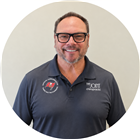
Who is a physical therapist?
A physical therapist is an experienced and certified medical professional who uses specially designed equipment and exercise regimens to treat irregular bodily functions. They evaluate the patient's condition, such as disease, disability, or injury, and provide appropriate and personalized treatment. They are knowledgeable about the human body's biomechanics.
Physical therapy is a possible treatment option for various health conditions that helps restore and strengthen the body's function and mobility. Physical therapists often work in sync with a medical team of other specialties in hospitals, rehab centers, sports and fitness centers, offices, and schools.
What are the various types of physical therapy?
Physical therapy, often referred to as PT, encompasses a broad range of subspecialties, each designed to cater to the unique needs of patients. PT is an essential field of healthcare that aids in recovery from injuries, surgeries, and various health conditions. Let's delve into some of the primary types of physical therapy subspecialties:
Orthopedic physical therapy: This specialization targets individuals with musculoskeletal issues, such as joint problems, fractures, or muscle injuries. Orthopedic physical therapists employ techniques like joint mobilization, strength training, and therapeutic modalities (such as hot and cold packs) to enhance patients' musculoskeletal function.
Pediatric physical therapy: Focusing on children's motor skills, balance, and strength, pediatric physical therapists assist in the development of young patients. They work with children facing developmental delays, genetic disorders, congenital disabilities, acute injuries, and orthopedic disabilities.
Cardiovascular and pulmonary rehabilitation: Patients suffering from heart and lung conditions like heart disease and pulmonary fibrosis benefit from this specialization. Cardiovascular and pulmonary therapists help improve patients' endurance and functional independence to enhance their overall quality of life.
Physical therapy for age-related conditions: As individuals age, they may encounter health issues like arthritis, cancer, osteoporosis, and balance problems. Physical therapists specializing in age-related conditions aid in increasing strength and mobility to promote an active lifestyle.
Physical therapy for neurological conditions: These physical therapists focus on rehabilitating patients with neurological disorders such as spinal cord injury, cerebral palsy, multiple sclerosis, traumatic brain injury, and stroke. They address mobility challenges, balance issues, muscle loss, and visual impairments, empowering patients to adapt to and manage their disabilities effectively.
These distinct subspecialties demonstrate the versatility of physical therapy in addressing a wide range of patient needs. Physical therapists specializing in these fields play a significant role in facilitating recovery, improving physical health, and enhancing their patients' overall quality of life.
Occupational therapy vs. physical therapy
Physical and occupational therapy share many similarities but have distinct differences in their approach to a patient's rehabilitative care. One fundamental difference is that physical therapy improves patients' ability to move their bodies. Occupational therapy, on the other hand, focuses on improving the patient's ability to perform activities in their day-to-day life. Besides, physical therapy's foundation is in bodily rehabilitation, whereas occupational therapy is in mental healthcare and physical rehabilitation.
Occupational therapy heavily focuses on adapting, modifying, or changing the daily activities an individual is required to or wants to do. At the person's skill level, an occupational therapist might help an individual improve their fine motor skills (small movements made with their upper body). These movements are necessary for daily activities such as picking up a toothbrush, brushing their teeth, using a phone, or driving. For individuals with mental health-related issues, an occupational therapist might improve their skills by increasing positive coping strategies. This allows them to function in their daily lives.
What are a few of the ailments that physical therapists treat?
Physical therapy is a non-invasive rehabilitative discipline that improves your health and quality of life. It is a combination of therapies that includes stretching, massage, transcutaneous electrical nerve stimulation (TENS), and specific exercises.
Because of various treatments, the list of conditions treated by a physical therapist is extensive. It includes neurological disorders such as Huntington's disease and Parkinson's disease, genetic or musculoskeletal disorders, sports injuries, or typical issues such as dizziness, headaches, and back and neck pain.
They can also treat various spinal conditions, such as degenerative disc disorder, herniated discs, spinal stenosis, scoliosis, sacroiliitis, and sciatica. Physical therapy can also help manage other diseases such as arthritis, muscular dystrophy, osteoporosis, obesity, cancer, chronic fatigue syndrome, and carpal tunnel syndrome.
Why is physical therapy necessary?
Physical therapists are well-versed in the human body; hence, if there is any deficiency in the body's movements, they can identify the root cause and treat it. After an injury or post-surgery, specific areas of the body can weaken and require some strengthening to work as close to normal. You can target these areas in physical therapy and relieve stress.
Physical therapy is one of the most effective solutions for a stress-free recovery, particularly in post-operative care. This is because physical therapists know the body's limitations after a surgical procedure and can work towards a successful outcome. The treatment regimen specifically targets the weakened areas and treats the pain source to improve the body's functioning and mobility.
How do you prepare for a physical therapy appointment?
If you have an illness or injury and experience pain or trouble with functional movement, you may benefit from the expert care of a physical therapist near you. The first session with a physical therapist is called an initial evaluation. During this session, they will try to learn about your health condition, previous level of functionality, and how it affects your daily life. After that, they will take specific measurements of the impairments causing the problem and create a treatment plan.
Before your initial evaluation, you should write down essential facts about the history of your condition to avoid forgetting or overlooking anything. Some checklist questions can be:
- When and how did your disorder begin?
- Before your injury or disorder, what was your functional mobility status?
- How often do your symptoms recur?
- How is the condition evolving?
- What feels relaxing or distressing in terms of your disorder?
Also, remember to carry your past medications list and other past surgeries or procedures information. Given your extensive movement and need for easier access to your target regions, ask the physical therapist what you should wear and if there is space to change.
During the initial examination, they will take common measurements to understand your condition better. These are palpation, range of motion (ROM) measurements, strength tests, functional mobility, balance, and neurological screening tests. Once the exam is complete, the physical therapy treatment plan starts.
How to find the best physical therapists near you in Tampa?
Have you recently had a sports injury or an old injury causing pain and discomfort? Are you recovering from surgery and want to improve mobility and reduce pain? If so, a good physical therapist can provide the best treatment and exercises to enhance your quality of life. With Zocdoc, you can easily find the best physical therapist in Tampa, Florida.
Perform a search mentioning your location (Tampa, Florida), doctor specialty (physical therapist), insurance plan, and desired appointment date. A comprehensive list of medical and healthcare professionals will appear based on your search criteria. If you need help with your insurance plan, use the Zocdoc insurance detector. At Zocdoc, transparency is of utmost value. Hence, each physical therapist's profile will include a brief introduction, educational qualifications, practice location, visit reasons, and, most importantly, patient reviews and ratings.
Additionally, you may filter the results by gender, language, hospital affiliations, and whether or not they treat children. Video appointments are also available with some therapists. You can book one by looking for the purple video icon on the physical therapists' profiles or filtering the video appointment selection.
With Zocdoc, you can book an appointment during, before, or after office hours, depending on the availability of the physical therapist. You can also book appointments during weekends or holidays if the PT permits.
Booking appointments with physical therapists near you on Zocdoc is 100% free, easy, and secure!
Physical health statistics in Tampa, Florida
As per data published by the U.S. Bureau of Labor Statistics (2021), Florida had the fourth highest employment level for physical therapists in the U.S., around 13,220. Further, the Behavioral Risk Factor Surveillance System (BRFSS) in 2020 noted that around 24% of the population in Florida was suffering from arthritis.
According to data released in 2021 by the National Osteoporosis Foundation and Milliman firm, over 144,000 medicare beneficiaries in Florida suffered around 172,500 osteoporotic fractures in 2019. Out of these, approximately 19% of them died within 12 months. The Milliman Report ranked Florida with the highest rates of osteoporotic fractures and tied it for the highest rate of additional fractures in the U.S.
Sources
American Bone Health
International Spine, Pain & Performance Center
Massachusetts College of Pharmacy and Health Sciences
Orthopaedic Associates of Central Maryland
U.S. Bureau of Labor Statistics
America's Health Rankings
Verywell Health
XCell Orthopaedics Physical Therapy