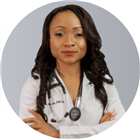
Who are nurse practitioners?
Nurse practitioners are healthcare professionals who provide acute, primary, and specialty care to patients. They treat mild illnesses and injuries and also prescribe medication. A nurse practitioner can perform the following duties:
- Recording patient medical histories and updating medical records
- Educate patients and families about the advantages of healthy nutrition and exercise practices to prevent diseases.
- Providing mental health support and emotional support to patients and their families
- Providing patient counseling
- Coordinating with other healthcare professionals
- Monitoring a patient's progress and providing post-treatment care when necessary
History of nurse practitioners in the U.S.
In the late 1950s, as medical specializations grew, a shortage of primary care physicians emerged. To address this gap, physicians began enlisting registered nurses with clinical expertise to help extend their primary care services.
By the 1960s, increased access to healthcare further heightened the demand for primary care. Nurse practitioners were pivotal in educating the public about disease prevention and health promotion, highlighting their essential contributions to healthcare. Their experience, knowledge, and patient-centered approach led to an expanded role, with responsibilities paralleling those of primary care physicians.
In 1965, Loretta Ford and physician Henry Silver developed the first nurse practitioner training program. Introduced at the University of Colorado, it focused on disease prevention, health promotion, and family care.
Initially, the term "nurse practitioner" sparked misconceptions about their role, as they were only authorized to provide care under physician supervision.
Through the 1970s and 1980s, nurse practitioners sought validation and enhanced credentials. The American Nurses Association established the Council of Primary Care Nurse Practitioners to define their duties and introduce certification exams. New organizations also emerged, advocating for provider status and direct reimbursements. These efforts and their unwavering commitment to patient care cemented nurse practitioners as indispensable to modern healthcare.
Education and training
To become a nurse practitioner, one must follow a series of steps. First, one needs to attain a registered nurse (RN) title, which they can achieve by completing an associate's degree in nursing (ADN) program or a bachelor's degree in nursing (BSN) program. Many nurses gain work experience before pursuing further education.
Once they become an R.N., the next phase is to pursue advanced clinical training beyond the requirements for R.N.s. If they possess a BSN, they can register for a graduate program, such as a master's degree in nursing (MSN), or enroll in a doctor of nursing practice (DNP) program.
If they don't have a BSN, they can enroll in an accelerated RN-to-BSN program or an ADN-to-MSN program to progress directly from an associate's degree to a master's degree.
Graduate degree programs for nurse practitioners involve classroom education and specialized clinical experience. They study various subjects like pathophysiology, advanced health assessment, pharmacology, and specific coursework in the chosen specialty.
One to two years of R.N. experience is necessary for specific subspecialty N.P. curriculum programs, especially for psych/acute care N.P. programs. Prior psych or ICU experience is often mandatory before enrolling in an MSN program.
After earning an MSN or DNP degree, they obtain an advanced practice nursing license through a state-level licensing process. The requirements for nurse practitioner licensing vary by state.
In addition to licensing, nurse practitioners must pass a national certification exam administered by national nursing organizations, ensuring consistent practice standards across all states.
Furthermore, nurse practitioners can complete certificate programs in specific specialties instead of pursuing a full degree curriculum. For example, a family N.P. provider can terminate a 9-month certificate program to become acute care/E.R. certified.
What are the different types of nurse practitioners?
Nurse practitioners are pivotal in delivering specialized healthcare services to diverse populations, ranging from children to adults, grappling with various health challenges. Here's a detailed breakdown of the different specialties within the field:
1. Psychiatric nurse practitioners: These professionals provide mental health care across all age groups, including families, children, and adults. They focus on addressing specific mental health disorders and substance use conditions, offering comprehensive treatment and support.
2. Family nurse practitioners: These practitioners emphasize holistic healthcare delivery. They establish enduring relationships with patients, providing ongoing care throughout their lives. Often serving as primary care providers, they offer a broad spectrum of medical services and develop a profound understanding of their patient's health needs over time.
3. Pediatric nurse practitioners: Specializing in pediatric care, these professionals cater to infants, children, and adolescents. Their duties include conducting routine check-ups, administering immunizations, and managing acute and chronic illnesses. They excel in recognizing and addressing the unique healthcare needs of young patients.
4. Neonatal nurse practitioners: In neonatal intensive care units (NICUs) and similar settings, these practitioners deliver specialized care to sick or premature newborns. They play a critical role in ensuring the well-being of vulnerable infants, occasionally assisting in deliveries when necessary.
5. Acute care nurse practitioners: These practitioners provide immediate medical attention to adults with severe illnesses or injuries in acute care settings. Their responsibilities encompass post-surgical care, trauma management, and other crucial interventions to stabilize patients in high-pressure situations.
6. Emergency nurse practitioners: Positioned in emergency departments, these experts provide urgent medical care to individuals in critical need. Endowed with the authority to make rapid treatment decisions, they vigilantly monitor patients' conditions and orchestrate timely interventions.
7. Adult-gerontology nurse practitioners: Specializing in adult and geriatric care, these practitioners collaborate with patients to manage chronic health conditions and diseases across the adult lifespan. Their focus includes preventive care, disease management, and promoting overall well-being in older adults.
8. Women's health nurse practitioners: These professionals attend to the unique healthcare needs of women and individuals assigned to the female sex at birth. Their services encompass reproductive, gynecological, and obstetric care throughout various life stages.
9. Orthopedic nurse practitioners: Specializing in musculoskeletal health, these practitioners diagnose and manage conditions affecting muscles, bones, joints, and connective tissues. They facilitate patients' recovery and rehabilitation from orthopedic injuries and diseases.
10. Oncology nurse practitioners: These professionals provide holistic care to cancer patients, collaborating closely with oncologists to devise personalized treatment plans and manage individuals' overall well-being throughout their cancer journey.
What distinguishes a nurse practitioner from a physician?
Nurse practitioners and physicians share many similar responsibilities and work in similar settings. However, they are licensed differently and provide different ranges of treatment. A nurse practitioner directly assesses patients and offers comprehensive care, from administering tests to providing post-surgery care and creating a disease prevention plan. They have the knowledge required to manage a patient's overall health.
Physicians are doctors of medicine (MDs) who prescribe diagnostic tests and medications and treat diseases. Nurse practitioners in some states can prescribe medication without a doctor's oversight, but in other states, they need to be permitted by a physician to administer medication.
A doctor's clinical training and duties are far more technical than nurse practitioners' and focus more on curing complex conditions, requiring in-depth knowledge. The educational and training paths for doctors and nurse practitioners also differ significantly. Doctors attend medical school and obtain a postgraduate degree, like a doctor of medicine (M.D.). They undergo a longer and more extensive training period compared to nurse practitioners.
Where do nurse practitioners work?
A nurse practitioner's training involves working in various settings, depending on their specialty. They can oversee the treatment of multiple types of patients. Here are some standard settings where you can find a nurse practitioner near you:
- Private clinics or hospitals: Nurse practitioners typically work with a team of professionals such as physicians, surgeons, and technicians in hospitals or private clinics. You may see them in dermatologists, cardiologists, pediatricians, gynecologists, and family medicine offices.
- Emergency rooms or urgent care centers: These are fast-paced settings where nurse practitioners deliver acute care quickly to patients for an extensive range of illnesses and injuries. They also perform emergency procedures such as intubation and central line placement. Nurse practitioners also work in urgent care centers in malls, pharmacies, or stores that people can visit for minor injuries or health issues.
- Schools: Nurse practitioners or certified school nurses perform routine health check-ups and tests for children in schools as per the Department of Education guidelines. They can also educate teenagers about STDs or sports injuries.
- Nursing homes: Nurse practitioners assess older patients in nursing homes, take their vital signs, administer medication, oversee treatment plans, and check whether a change in treatment is necessary. They may also offer vascular interventions and procedures for older patients with venous and vascular conditions. They also provide hospice care for dying patients and address their emotional, physical, and psychological needs.
Finding the best nurse practitioner near you in Virginia Beach, Virginia
Nurse practitioners have extensive skills and can act as primary care providers when a physician is unavailable. Research also shows that care provided by nurse practitioners may be more cost-effective than that provided by physicians. Not only do nurse practitioners treat multiple illnesses, but they also offer preventive care.
Finding an experienced nurse practitioner in your locality can be challenging and time-consuming. However, Zocdoc provides users with a safe and easy way of finding practitioners in their area without waiting long hours.
To book an online or in-person consultation, visit the Zocdoc website and enter your condition or symptoms, location, and insurance plan. You should then be able to browse through a list of top-rated nurse practitioners in Virginia Beach, Virginia. You can filter the displayed results by gender, time of day, and whether a provider treats children or not, among other filters. The system will show a list of in-network providers when you input your insurance carrier and plan in the drop-down menu at the top of the page.
Our online patient support center can help you find nurse practitioners who accept your insurance. Through Zocdoc, you can link your medical, dental, and vision insurance plans to your account; however, you can use only one plan per appointment.
If you have multiple insurance plans, you can add details of your secondary insurance in the appointment notes. Alternatively, if your healthcare provider utilizes Zocdoc's Intake forms, you can conveniently input your secondary insurance information through the form.
With Zocdoc, you can schedule appointments before, during, or after office hours based on the nurse practitioner's availability. Weekend and holiday appointments may also be an option if the nurse practitioner's schedule allows.
Zocdoc helps you make an informed decision about your healthcare. Every provider on Zocdoc has a detailed profile containing information about their education, training, experience, certifications, licenses, accreditations, and awards. You can also choose a nurse practitioner near you based on verified reviews and ratings by past patients.
Booking in-person or online appointments on Zocdoc is fast, free, and secure!
Statistics for nurse practitioners in Virginia
Per the Bureau of Labor Statistics (BLS), Virginia had hired approximately 6,560 nurse practitioners and over 66,000 registered nurses as of May 2021. Data collated by the Virginia Department of Health Professions between October 2020 and September 2021 shows that nine out of ten nurse practitioners are female, and the median age of all nurse practitioners is 44. Certified nurse practitioners (CNPs) account for the highest proportion (80%) of nurse practitioners, and around 93% of CNPs are female.
According to the latest data from the Virginia Health Care Foundation, around 40% of Virginia localities do not have psychiatrists or psychiatric nurse practitioners.
Sources
U.S. Bureau of Labor Statistics
Virginia Department of Health Professions[1]
Virginia Department of Health Professions[2]
Virginia Health Care Foundation
NursingProcess.org[1]
NursingProcess.org[2]
Nursingprocess.org[3]
Regis College
University of St. Augustine for Health Sciences
WebMD
Cleveland Clinic
Ohio Association of Advanced Practice Nurses