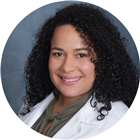
What is an OB-GYN?
An OB-GYN or an Obstetrician-Gynecologist is a doctor who focuses on reproductive health, pregnancy, and childbirth. While some doctors specialize in obstetrics (pregnancy, labor, and delivery) or gynecology (reproductive health), most work in both fields. In addition to monitoring high-risk pregnancies and all stages of labor and delivery, including conducting a cesarean section, OB-GYNs can assess infertility, abnormal pap tests, endometriosis, breast problems, and incontinence. They can also provide prenatal consultations.
How can someone become an OB-GYN?
OB-GYNs, like all medical professionals, must finish four years of study at a recognized medical school before enrolling in a residency program that offers supervised on-the-job training at a hospital. After completing their training, they must pass an examination to be certified by the American Board of Obstetrics and Gynecology (ACOG). The board recognizes the following subspecialties:
- Gynecologic oncology
- Female pelvic medicine and reconstructive surgery
- Reproductive endocrinology and infertility
- Maternal-fetal medicine
- Critical care medicine
- Complex family planning
- Hospice and palliative medicine
When should you see an OB-GYN?
Women should see a gynecologist to discuss menstruation, sexual health, pregnancy, and sexually transmitted illnesses. Additionally, you should visit your OB-GYN if you experience painful periods or UTI symptoms or are contemplating getting pregnant. Even after the baby is born, you should discuss postnatal care, including the recovery process, emotional and physical adjustment to parenthood, and future birth control options with your OB-GYN.
What is the importance of OB-GYNs, and what part do they play in age-related health issues for women?
An OB-GYN can offer a comprehensive range of treatments to fulfill a woman's health needs at every period, from adolescence to menopause and beyond. OB-GYNs are experts in women's health.
- OB-GYNs and adolescents: The American College of Obstetricians and Gynecologists (ACOG) recommends that the first gynecologic visit be scheduled between ages 13 and 15. The initial visit would include a review of medical history and an age-appropriate talk regarding reproductive health issues, such as menstruation and sexual activity. An OB-GYN would typically conduct a general examination and an external genital examination. Many young women approach OB-GYNs for guidance on birth control. There are many options, including patches, pills, injections, vaginal rings, and condoms, that are both hormonal and non-hormonal.
- OB-GYNs' critical role during pregnancy: An OB-GYN watches for high-risk pregnancy conditions that could harm the mother, the baby, or both when pregnancy occurs, and motherhood is the objective. Pregnant women are encouraged to consult an obstetrician before becoming pregnant to discuss potential risk factors and a treatment strategy, particularly in the early stages of pregnancy. Age and weight are risk factors, particularly for women over 40, who are more likely to have issues like increased blood pressure, (gestational) diabetes, and higher C-section rates.
- OB-GYNs and infertility: Age is frequently a factor in infertility, which OB-GYNs treat. Within three to four months of attempting, an intervention would be necessary for a person in their 40s who is nearing the end of the reproductive age range. The OB-GYN may conduct an infertility examination to determine the reason for pregnancy failure. Approximately 80% of the time, doctors can determine the issue with straightforward testing and choose the best course of action. To consider methods like intrauterine insemination (artificial insemination) or in-vitro fertilization, however, roughly 20% of situations may call for a consultation with a reproductive endocrinologist or a fertility subspecialist.
- OB-GYNs and internal medicine: As women age, medical checks become vital. They become more susceptible to osteoporosis, breast cancer, colon cancer, and heart disease. As a result, doctors advise patients to continue seeing their OB-GYN well into menopause while bringing in an internal medicine specialist to their care team.
- Menopause and breast examinations: Every woman experiences change throughout menopause. Before or after she stops menstruating, symptoms associated with this transition may appear. Some people experience a shift in their period and when it will stop. Hot flashes and other symptoms may also make some menopausal women uncomfortable. The use of hormone replacement therapy may lessen symptoms. However, it is advisable to discuss this with your doctor first. As women mature, breast examinations become more crucial. The American Cancer Society advises women with an average risk of breast cancer to start getting yearly mammograms at age 45 or even earlier if they want.
Menstrual depression and its potential causes
Menstrual cycles or periods do cause uncomfortable symptoms like cramps, headaches, and fatigue, but it's pretty common for one to experience emotional distress and mood changes as well. Symptoms such as anxiety, depression, irritability, low moods, difficulty concentrating, persistent feelings of sadness, and frequent crying in the days leading up to your period are usual occurrences.
However, these changes may persist even after your periods start and can linger for several days. Some people may also experience depression after their period ends, thereby affecting their daily lives.
While experts are not entirely sure about the cause of these mood changes during your menstrual cycle, they believe hormones play a critical role in this process.
Throughout your menstrual cycle, hormonal fluctuations occur naturally, but these can also impact other bodily hormones - notably the neurotransmitters dopamine and serotonin. Both are known to play an active role in depression.
Before ovulation, there is a rise in dopamine levels alongside increasing estrogen levels. This fluctuation could explain why you may notice changes in concentration and working memory during your cycle. Right after ovulation, dopamine and estrogen levels drop, and right before your period starts, there is another plunge in progesterone and estrogen levels. In some, the post-ovulation drop in estrogen levels leads to an analogous drop in serotonin levels.
A 2017 study by the Department of Psychology and Centre for Cognitive Neuroscience, University of Salzburg, Salzburg, Austria, links the fluctuations in progesterone levels to a decline in dopamine concentration. Just like low estrogen, low progesterone can contribute to mood changes, including signs of depression. Meanwhile, a 2011 study from the Department of Obstetrics and Gynecology, University of Virginia, mentioned that these hormonal changes can lead to mood symptoms such as irritability and depression.
Generally, few improvements may be noticed after a few days of your periods, starting when your hormone levels start rising again. It is important to note that not every menstruator experiences depression during their cycle. That's due to other factors, such as genetics, playing a role in your sensitivity to hormonal changes and making premenstrual syndrome (PMS) more likely.
What are some tips to remember before your OB-GYN appointment?
Whether you are visiting the best OB-GYN near you for a pregnancy consultation, annual physical examination, health screening, or to address a medical condition, there are general rules you can keep in mind to help you achieve the most of your appointment. It will be helpful to keep the following pointers in mind:
- Do not book a session when you are menstruating if you are going for a pelvic exam or Pap smear test.
- Keep pubic hair grooming on hold until your pelvic examination is over.
- Do not douche before a pelvic examination, as that can affect the vaginal pH and flora.
- Refrain from having sexual intercourse for at least one to two days before the pelvic examination and a Pap test, as sperm, lubricants, and condoms can negatively impact the test results.
- Maintain a record of your menstrual cycle. Experts advise using a period tracking application or calendar.
- Carry your medical records to your appointment, including medical history, diagnostic test results, and any ongoing medications.
- If you are anxious or embarrassed, you can confide in your OB-GYN. They can help you feel at ease.
- Additionally, you can note down a list of questions you may have so that you remember them all during your visit.
Find the best OB-GYN near you in Plant City, Florida.
Are you experiencing irregular, excessive, or painful bleeding during your menstrual cycle? Or do you require advice on the need for birth control for hormone imbalances? OB-GYNs can assist you in better understanding the numerous health problems and physical changes you will experience, as well as the treatments available.
Using the Zocdoc platform, you can easily find the top OB-GYN in your neighborhood. The top OB-GYNs in Plant City, Florida, will be listed on our website when you enter your symptoms and address. Each specialist's profile details their education, training, specialties, credentials, licenses, certificates, accreditation, affiliations, awards, languages spoken, and rigorously verified patient testimonials. There will also be a mention of their background and gender in the description.
You may see a list of the insurance companies your preferred OB-GYN accepts for consultations and medical treatment on Zocdoc. By selecting your carrier from a drop-down menu, you may determine whether the specialist of your choice is a part of that network. Depending on the specialist's availability, you can select an appointment time and, if necessary, schedule a virtual appointment.
With Zocdoc, all appointments with the best OB-GYN near you become prompt, affordable, and secure.
Female reproductive and sexual health statistics in Florida
According to Florida's Pregnancy-Associated Mortality Review 2018 Update report, about 16.3 per 100,000 live births were lost due to pregnancy-related causes in Florida in 2017. Cardiomyopathy (19.4%), hemorrhage or bleeding (16.7%), thrombotic embolism and infection (11.1%), cardiovascular illnesses and hypertension (both 8.3%), and hemorrhage (16.7%) were the top causes of pregnancy-related deaths in 2018.
Of the 36 Pregnancy-related Deaths (PRDs) recorded in the Florida Department of Health report, around 29 (80.6%) occurred postpartum. Hence, nearly 25.0% of postpartum PRDs happened before hospital release, and around 55.6% of postpartum PRDs happened after hospital discharge. PRDs occurred an estimated 72.2% times after a live birth delivery, 13.9% times after a stillbirth, 5.6% times while still pregnant (undelivered), 5.6% times after an emergency delivery, and 2.8% times after an ectopic pregnancy.
Per the Centers for Disease Control and Prevention, there were around 209,671 births in 2020 in Florida, making the fertility rate about 53.4 births per 1,000 women aged 15–44.
Based on cancer statistics by the American Cancer Society, between 2015 and 2019, breast cancer was the most common in Florida, with around 122.3 annual incidences per 100,000 people. The other reproductive cancers on the list included:
- Uterine cancer (about 25.8 cases per 100,000)
- Ovarian cancer (about 11.1 cases per 100,000)
- Cervical cancer (about 9.2 cases per 100,000)
In 2023, the American Cancer Society estimated 22,670 new breast cancer cases and 3,170 associated deaths.
Sources
Healthline
National Center for Biotechnology Information[1]
National Center for Biotechnology Information[2]
Orlando Health
Scripps
American College of Obstetricians and Gynecologists
American Cancer Society
Centers for Disease Control and Prevention
HealthCentral