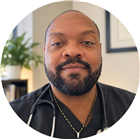
Who is a primary care doctor?
A primary care doctor practices general medicine and is our first stop for medical care. Also known as primary care physicians (PCPs), they can provide non-emergency care and treat issues such as cough, cold, fever, rash, and nausea. They perform routine check-ups and administer vaccinations.
PCPs tend to develop long-term doctor-patient relationships because they often treat patients over a long period for various illnesses. In many cases, they treat families when necessary. PCPs can also provide preventive care by advising on how to live a healthy life, exercise, and manage weight issues.
PCPs can have private practices or work in clinics, hospitals, long-term care centers, schools, workplaces, etc. Research has proven that those with access to primary care enjoy better health and wellness. PCPs can detect illnesses or conditions (such as cancer) early, enabling timely treatment. They can also help manage chronic diseases such as diabetes, arthritis, asthma, and hypertension (high blood pressure).
There are different kinds of PCPs depending on their specialty. For example, PCPs can be family practitioners, pediatricians, internal medicine doctors, geriatricians, obstetricians, and gynecologists (OB-GYNs).
What kind of education and training do primary care doctors receive?
Aspiring primary care doctors must first graduate from an accredited school in pre-med or the sciences. After that, they must enroll in a medical program for four years of training and study. The first two years of medical school involve learning theory in classrooms and laboratories. There is a focus on practical training during the next two years under the direction of skilled medical professionals. Students learn to recognize and manage diseases and ailments in clinics and hospitals.
Upon completing medical school, students receive a Doctor of Medicine (M.D.) or a Doctor of Osteopathy (D.O.) degree. After this, individuals choosing a specialty must complete a residency, which may last three to seven years. Some doctors prefer to study and specialize further after residency. They must complete a one- to three-year fellowship in a subspecialty such as geriatrics, pediatrics, internal medicine, or family medicine.
PCPs can become board-certified by clearing a stringent examination conducted by the American Board of Family Medicine or the American Osteopathic Board of Family Physicians. All PCPs must clear a state-level licensure examination before they can begin practicing.
Why should you consult a primary care doctor near you?
Consulting a primary care doctor is highly recommended for several reasons, emphasizing the benefits of establishing a strong patient-doctor relationship. Healthcare professionals in this field not only build trust but also ensure the well-being of their patients. They play a pivotal role in preventing potentially harmful situations, such as the unintended prescription of medications by different specialists that could negatively interact, potentially nullifying the effects or causing harm to your body when taken together. Here are the key subtopics that highlight the compelling reasons for consulting a primary care doctor:
- Urgent medical issues: Primary care physicians are well-equipped to address pressing health concerns, including conditions like colds, flu, fevers, sudden pain, insect bites, rashes, and allergies requiring immediate attention. Whether you experience minor ailments or face more complex diseases, your primary doctor possesses the expertise to diagnose your condition accurately, recommend suitable treatments, and offer valuable guidance on maintaining or enhancing your overall well-being.
- Chronic diseases: Primary care physicians actively contribute to addressing chronic conditions by treating acute health problems and assisting in managing and preventing infections. In addition to their role in treating immediate health concerns, primary care doctors conduct annual physical exams to identify any changes in your health that might indicate the progression of an underlying condition. Early intervention and appropriate care are provided by actively monitoring your well-being.
- Digestive problems: Primary care doctors can address digestive issues like gastroesophageal reflux disease (GERD) and acid reflux. They can guide you in preventing and managing symptoms through various measures, including antacids and lifestyle adjustments. For instance, your doctor may recommend having dinner earlier in the evening to alleviate the issues you experience.
- Pain management: Primary care physicians are also skilled in helping patients deal with pain due to conditions like cancer, osteoarthritis, diabetes, or the aftermath of a previous injury. They employ various techniques to alleviate pain, including administering steroid injections, prescribing medication tailored to your condition, and recommending physical therapy. They aim to improve your overall quality of life and aid recovery by effectively addressing pain.
What conditions do primary care doctors screen and treat?
Primary care doctors can provide wellness and prevention screenings for various conditions. They typically check for:
- Developmental disorders
- Depression
- Diabetes mellitus
- High cholesterol
- High blood pressure
- Risk factors for heart disease
- Breast, prostate, cervical, and colorectal cancers
- Signs of domestic violence
- Sexually transmitted infections (STIs)
- Immunization requirements and administration
PCPs can treat acute illnesses and provide injury care. They can perform lab tests to diagnose diseases and prescribe appropriate medication. Additionally, they can conduct an EKG (electrocardiogram) to evaluate the heart or perform spirometry tests to assess your lung function. Further, PCPs can provide wound care or splints, casts, or braces for injured limbs. They can treat acute illnesses like urinary tract infections, migraines, and asthma attacks. These doctors can do preliminary tests to check for broken bones, manage dehydration or fever, and treat minor skin infections, insect bites, and muscle sprains or strains.
Moreover, PCPs can refer you to a mental health specialist or any other specialist when necessary.
What should one expect during the first visit to a primary care doctor?
During the first visit to a primary care doctor, they will check your medical history. Ensure that you carry all relevant medical documents and recent diagnoses. They will ask about your lifestyle, including your work and exercise routine. They will enquire about your family medical history and also check the list of medications you are taking. They will check if your vaccinations are up-to-date and advise on any new immunizations.
The PCP will conduct a physical examination where they will check your vital signs. They will ask about the symptoms you are currently facing. Once they diagnose the issue, the PCP will prescribe the appropriate medication or refer you to a specialist if needed. They may ask you to conduct a few tests if they need further confirmation of a condition. You may have to revisit the doctor so that they can monitor your progress or check the test results.
You can ask PCPs for advice on maintaining your health and what exercises can help you stay fit. The PCP can also help you manage any chronic conditions, so go ahead and clear any doubts you may have regarding this. It would help if you made a list of questions you want to ask the PCP before visiting them so that you do not forget anything.
How can one find a good primary care doctor near you in Henderson?
Your primary care physician can assist if you have the flu, need vaccines, want to quit smoking, need to control your diabetes, or need to lose weight. They help you maintain your health by providing routine physicals, immunizations, preventive care, and wellness examinations.
It can be challenging to find a decent PCP when you need one. However, Zocdoc can help you here. Register for a free account on the Zocdoc website to begin the procedure. You start looking for a PCP based on a list of criteria.
Your local PCPs will be listed after you enter your location and symptoms on Zocdoc. You may also use the insurance coverage criteria to choose a provider in the network. Zocdoc maintains an extensive database of thousands of physicians countrywide using cutting-edge technologies to offer you a list of prospective matches.
Click on each practitioner's profile to view additional information about them. You can learn more about their education, training, certifications, hospital connections, honors, specializations, and accreditations. Zocdoc also provides verified ratings and reviews by past patients to help you make an informed decision when choosing a primary care doctor near you . You can also find out if the PCP treats children and what languages they speak.
You can schedule a virtual appointment and, if necessary, a face-to-face encounter. Just check for a purple button on the profiles of healthcare professionals who allow video consultations. Depending on the PCP's availability, you can book appointments during office hours, before 10 a.m., after 5 p.m., on holidays, or on the weekends.
Booking appointments on Zocdoc is simple, accessible, and secure.
Statistics on primary care doctors and diabetes in Nevada
The U.S. Bureau of Labor Statistics reported that Nevada had approximately 170 obstetricians and gynecologists in May 2021. Nurse practitioners and physician assistants are also adept at offering primary care while being supervised by a doctor. Nevada had 1,760 nurse practitioners and 730 physician assistants in May 2021.
Further, according to America's Health Rankings, there were about 205.1 active primary care providers per 100,000 population in Nevada in September 2022. This included general practice, obstetrics and gynecology, family practice, internal medicine, pediatrics, geriatrics, physician assistants, and nurse practitioners.
PCPs can help manage chronic conditions such as diabetes. According to America's Health Rankings, in 2021, about 11.5% of adults in the state were diagnosed with diabetes, excluding prediabetes and gestational diabetes. This was higher than the national average of 10.9%. Men (11.6%) were more likely to have diabetes than women (11.4%). The condition's incidence increased with age, with about 25% of those 65 and above having diabetes. The percentage was lower in those aged 18 to 44 (3.1%) and those aged 45 to 64 (14.4%).
Sources
Nemours KidsHealth
WebMD
Cleveland Clinic
Healthline
U.S. Bureau of Labor Statistics
America’s Health Rankings[1]
America’s Health Rankings[2]
Star Medical Associates