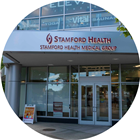
Who is a primary care doctor?
A primary care doctor is a healthcare expert who offers general healthcare to patients. While some primary care doctors specialize in family medicine, internal medicine, or pediatrics, they typically care for the everyday medical needs of the public. Also known as primary care physicians (PCPs), these doctors act as their patients' first point of contact, making it a position of great responsibility. PCPs offer acute, preventive, and chronic care in inpatient and outpatient settings. Maintaining a long-term partnership with a primary care doctor can keep you healthier while lowering medical expenses.
Primary care doctors can teach patients how to stay healthy, treat them when unwell, and provide advanced care when required. These professionals remain mindful of how physical health impacts social, emotional, and psychological well-being. Primary care doctors focus on many health concerns. PCPs are also capable of treating people of all ages.
Your PCP can address concerns regarding infections, chronic conditions, or medications. During annual checkups, PCPs tend to update the information they have on your:
- Current health
- Medical history
- Family's medical history
- Treatment preferences and daily challenges
- Personality, mental health, and lifestyle
Educational background of primary care doctors
Primary care doctors undergo intense courses and training throughout their careers. A four-year undergraduate program is typically the first step on their journey to becoming a healthcare provider. Most doctors opt to complete an undergraduate degree in science, with pre-medical courses like chemistry and biology.
Aspirants seeking primary care join a four-year medical school program after their undergraduate degree. In medical school, potential aspirants choose modules such as anatomy and physiology. During this time, classes, practical assessments, and internships equip aspiring doctors with various clinical skills like medical ethics, diagnosing, and preventive medicine. In addition, they also engage in clinical rotations, where they learn about the different specialties of therapy.
After medical school, a primary care doctor must also undergo a residency program. They may choose a specialty like family medicine, internal medicine, pediatrics, geriatric medicine, or gynecology. Residency training usually takes three years or more to complete.
After this period of training, some doctors go into practice directly. However, other physicians opt to join a fellowship program and undergo extended training in their specialization, such as obstetrics or preventive medicine. All doctors must complete an examination to gain a license before practicing.
What are the different types of primary care doctors?
Primary care medicine addresses nearly every health issue, unlike other medical fields focusing on specific organ systems. However, some doctors specialize in a particular area of primary care.
- Family doctors: Family doctors or family practice physicians treat people of all ages. They provide services to everyone in a family and address complex issues such as diabetes or cancer.
- Pediatricians: These doctors specialize in pediatrics–healthcare for children and teenagers. They receive comprehensive training to diagnose, treat, and manage medical concerns in newborns and people under 18.
- Internists: Internists or internal medicine doctors only care for adults. They focus on nonsurgical treatments for disorders in the body's internal systems.
- Geriatricians: A geriatrician is a primary care specialist who diagnoses and treats medical issues in older people. They have the training and expertise to treat complex health issues in people 65 or older.
- Obstetricians and gynecologists: OB-GYNs focus on caring for women and infants. They specialize in the female reproductive system and help care for women's physical and mental health.
What conditions do primary care doctors treat?
Primary care doctors play a crucial role in addressing various health conditions. Here are some common health problems that they treat:
- Migraine: A migraine is a neurological problem characterized by severe headaches. These headaches can be throbbing or pounding and may shift from one side of the head to the other or affect the front or back of the head. Migraines often last at least four hours and can worsen with physical activity and exposure to light, sounds, and certain smells. Other symptoms include loss of appetite, nausea, abdominal pain, dizziness, and blurred vision.
- Sore throat: A sore throat causes discomfort and a scratchy feeling in the back of the throat. Throat pain may bring symptoms such as fever, headache, upset stomach, runny nose, fatigue, and hoarseness. Common colds, the flu, bacterial infections, or tonsillitis can trigger sore throats.
- Digestive issues: Primary care doctors also address digestive conditions, including constipation and diarrhea. Constipation is defined by a reduced frequency of bowel movements, challenges in expelling stools, and associated symptoms such as bloating and nausea. It can result from a low-fiber diet, insufficient water intake, or stress. On the other hand, diarrhea involves loose or watery stools, abdominal cramps, and nausea. Severe cases may include fever, weight loss, dehydration, vomiting, and intense pain. Viral infections affecting the intestines, often called intestinal flu, commonly cause diarrhea.
- Asthma: Asthma is a severe respiratory condition marked by symptoms like coughing, chest tightness, shortness of breath, and wheezing. During asthma attacks, the muscles around the airways constrict, obstructing airflow. Common triggers include air pollution, dust mites, pests, pets, tobacco smoke, and exposure to strong chemicals.
- Conjunctivitis (pink eye): Conjunctivitis results from inflammation of the eye's transparent tissue, known as the conjunctiva. Symptoms of pink eye include redness, increased tearing, green or white discharge, itching, burning, and blurred vision. This condition results from various factors, including bacteria, allergens, irritants, sexually transmitted infections, or a foreign object in the eye.
However, if a condition exceeds their expertise or requires specialized care, they will refer patients to the appropriate specialists. This collaborative approach guarantees that patients receive the most appropriate care for their health needs.
Ways primary care doctors actively support gut health
A healthy gut is the cornerstone for an effective immune system and overall well-being. With nearly half of the immune system residing in the gut, maintaining digestive health is vital. While dietitians and specialists are known to guide patients in achieving optimal gut function, primary care doctors are often the first and most accessible healthcare professionals to offer proactive, personalized support. From early diagnosis to appropriate referrals, a primary care doctor near you may actively contribute to preserving and improving your gut health. Here's how they do it:
- Diagnosing digestive conditions early: Primary care doctors evaluate symptoms and order relevant tests to identify digestive disorders such as irritable bowel syndrome (IBS), celiac disease, Crohn's disease, and ulcerative colitis. Since these conditions often have overlapping symptoms, accurate diagnosis requires medical expertise. By conducting physical exams, analyzing lab results, and interpreting patient history, primary care physicians pinpoint the root causes and initiate timely treatment.
- Prescribing medications when needed: When diet and lifestyle interventions are insufficient, primary care doctors prescribe appropriate medications such as antacids, laxatives, or antibiotics to manage conditions like GERD or IBS. They ensure that medications are used effectively, often combining them with holistic strategies to achieve maximum relief.
- Identifying and addressing nutrient deficiencies: Through blood work and symptom assessment, primary care physicians detect nutrient imbalances that may contribute to digestive issues like bloating, cramping, or constipation. Once identified, they create tailored nutrition plans or suggest supplements to restore balance and improve gut function, ensuring your digestive system operates efficiently.
- Recommending practical lifestyle adjustments: Primary care doctors encourage patients to make informed lifestyle changes that support gut health. They help implement exercise routines and stress management strategies and recommend dietary changes, including avoiding trigger foods. Their continuous guidance empowers patients to form habits that enhance digestion and support long-term health.
- Coordinating referrals to specialists: When specialized care is necessary, primary care physicians refer patients to gastroenterologists for advanced management of conditions like Crohn's disease or eating disorders. This collaborative approach ensures patients receive expert support while continuing to be monitored by their trusted primary care provider.
What are physical exams, and what do they include?
A physical exam is an essential part of any doctor's visit. There are no absolutes in a standard physical exam, and your primary care provider might be brief or thorough. Either way, they will listen to your concerns, offer counseling for any particular complaints and risk factors, and recommend preventive steps to keep health problems at bay.
Typically, you should get annual physical exams, which include the following:
- Vital signs: Your doctor will start by checking your vital signs, which helps them identify any underlying medical conditions and monitor your progress toward recovery. The four main vital signs are temperature, blood pressure, heart rate, and respiration rate.
- Head and neck exam: They will check your eyes, ears, teeth, gums, nose, sinuses, throat, thyroid, lymph nodes, and carotid arteries.
- Heart and lung exams: Using a stethoscope, your doctor will listen for irregular heartbeats, a heart murmur, crackles, wheezes, reduced breathing sounds, and other signs of heart and/or lung conditions.
- Abdominal exam: They will use various techniques for this exam, including tapping your abdomen to check liver size and detect the presence of abdominal fluid, palpitating for tenderness, and listening for bowel sounds with a stethoscope.
- Dermatological exam: They will inspect your skin and nails for signs of dermatological concerns and diseases affecting other parts of your body.
- Neurological exam: Your doctor will check your state of mind, balance, reflexes, muscle strength, nerves, etc.
Why is there a high demand for primary care doctors?
When considering a visit to a medical professional, it would be wise to visit a primary care doctor. Primary care doctors are in high demand nationwide as they deal with various health disorders and illnesses.
People prefer primary care doctors as they conduct regular physicals, prescribe medicines, treat major and minor illnesses, manage chronic conditions, and more. Once you find a trustworthy PCP, they can continue serving you throughout your life's significant stages. Primary care doctors prioritize providing care for underserved people in rural and urban areas.
Moreover, primary care doctors act as advocates for their patients' health. They help the public coordinate and navigate the entire healthcare system. Research shows that more than half of all visits to a physician's office are to consult a primary care physician.
Consulting a primary care doctor can benefit you in many ways. For example, if your child or an elderly family member requires medical help, you can visit the same primary care doctor. If you or a family member require specialized treatment, PCPs can refer you to qualified specialists.
Find the best primary care doctor near you in Stamford, Connecticut
Are you looking for a qualified primary care doctor in Stamford? The two main factors to consider while looking for doctors are convenience and reliability. Regardless of the type of doctor you are looking for, Zocdoc can help fast-track your search and find someone you and your family can rely on.
Visit Zocdoc's homepage to access our database of thousands of doctors practicing in Connecticut. Type your symptoms, condition, procedure, specialty, location, date, or insurance plan in the search box. For example, you can save unnecessary travel expenses by highlighting your area if you are looking for a primary care doctor near you. Similarly, if you need a doctor specializing in family medicine, you can type "family doctor" in the search box.
You can use Zocdoc's insurance detector to identify in-network doctors quickly. While adding an image of your medical insurance card can help you correctly choose your insurance plan on the website, it is not compulsory. If you decide not to upload a photo, you can manually enter your insurance information into your Zocdoc account by selecting your plan from a dropdown list. For more insurance-related queries, check Zocdoc's patient help center.
Zocdoc will provide a comprehensive list of all the providers meeting your criteria. You can visit each doctor's profile to read more about their academic background, medical expertise, research interests, languages they speak, and more. Remember to review the verified reviews before selecting a primary care doctor near you.
All bookings made on Zocdoc are simple, free, and secure!
Health statistics in Connecticut
According to data from the Centers for Disease Control and Prevention, Connecticut's primary causes of death in 2017 were heart disease and cancer. That year, 7,138 people died of heart disease in the state, while another 6,608 died of cancer. One adult dies every 34 seconds from cardiovascular disease in the United States. In 2020, nearly 697,000 U.S. adults lost their lives to heart disease.
According to the findings published by the Kaiser Family Foundation, around 28.7% of Connecticut adults complained of anxiety or depressive disorder symptoms in 2021. It is slightly below the national average; about 31.6% of people reported symptoms of anxiety and depression in the United States.
Sources
Nemours KidsHealth
WebMD[1]
WebMD[2]
Healthline
American Academy of Family Physicians
St. George's University
Texas Health Physicians Group
Centers for Disease Control and Prevention
Kaiser Family Foundation
Cleveland Clinic[1]
Cleveland Clinic[2]
Cleveland Clinic[3]
Cleveland Clinic[4]
Cleveland Clinic[5]
Cleveland Clinic[6]
Cleveland Clinic[7]
Cleveland Clinic[8]
Cleveland Clinic[9]
IWC Primary Care