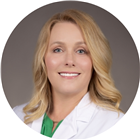
Who is an endocrinologist?
An endocrinologist is a medical physician who deals with the endocrine system and its related disorders. The endocrine system is a network of glands that create and secrete hormones, which are chemical messengers that control various physiological body processes, including metabolism, growth and development, sexual function, mood, and more. An endocrinologist's area of interest is identifying and treating disorders of the body's hormone systems. Their specialized training educates them to diagnose, treat, and manage health conditions caused by hormone imbalances or problems with the endocrine system.
What do endocrinologists do?
Endocrinologists diagnose and treat conditions affecting the endocrine organs, such as the hypothalamus, pituitary, thyroid, pancreas, and ovarian glands, to name a few. These glands secrete and produce hormones that control various bodily functions. Thus, an endocrinologist identifies the issues affecting these functions and develops a plan of treatment to manage them. Some common conditions endocrinologists treat include diabetes, menopause, thyroid diseases, metabolic disorders, osteoporosis, cancers of the endocrine glands, and infertility.
What are the educational qualifications of an endocrinologist?
Endocrinology is a subspeciality of internal medicine that focuses on tools and techniques required to diagnose and treat endocrine disorders.
After four years of undergraduate college, an aspiring endocrinologist must attend four years of medical school, followed by two to three years of internal medicine or pediatrics residency. Furthermore, they must pursue a two—to three-year fellowship in endocrinology, diabetes, and metabolism.
Following their education, endocrinologists must first take an examination to become board-certified in internal medicine, followed by an additional endocrinology, diabetes, and metabolism examination to become certified. The American Board of Internal Medicine administers both of these examinations.
Endocrinologists and all other healthcare professionals also partake in yearly learning and training classes called Continuing Medical Education (CME) to stay up-to-date in their medical field.
What are the subspecialties within endocrinologists?
Some endocrinologists go on to pursue specific subspecialties following their certification, such as:
- Diabetes and metabolism: Hormones are vital in the body's metabolism. One of the most prevalent metabolic ailments is diabetes. An endocrinologist can specialize in treating various kinds of diabetes and other metabolic conditions like obesity.
- Endocrinology nuclear medicine: This specialty of endocrinology uses nuclear medicine to treat specific endocrine diseases, especially thyroid disorders.
- Endocrine oncology: Focuses on cancers affecting the endocrine system. In general, oncology is a branch of medicine that focuses on preventing, diagnosing, and treating cancer.
- Gender affirmation: This involves multidisciplinary treatment wherein an endocrinologist plays a vital role. They can specialize in sex hormone therapy, one of the aspects of gender affirmation.
- Neuroendocrinology: These endocrinologists study the relationship between the nervous and endocrine systems. For instance, they dissect how the brain controls hormonal functioning in the body.
- Pediatric endocrinology: They deal with children affected by endocrine disorders.
- Reproductive endocrinology: Many hormones play an essential role in the reproduction and sexual functioning of the body. Therefore, an endocrinologist can specialize in sexual function and fertility diseases and is known as a fertility specialist.
- Thyroid disease: Various disorders affect the thyroid, a butterfly-shaped organ in front of the neck. An endocrinologist focuses on these disorders specifically.
What are the skills possessed by endocrinologists?
Aside from their extensive medical training, endocrinologists are well acquainted with analyzing and comprehending laboratory tests, x-rays, and other procedures. They have a firm understanding of imaging techniques, hormone implants, and fine-needle aspiration. Clinical endocrinology and metabolism, including diabetes, add to their expertise. Endocrinologists should also have a good grip on physiology, biochemistry, and cellular and hormonal metabolism.
Do children need to visit an endocrinologist?
In children, certain hormones produced by the endocrine system (including the adrenal glands, pituitary gland, thyroid, hypothalamus, and pancreas) determine how a child grows and matures. They also affect puberty and metabolic function, or how the body breaks down and utilizes food as energy.
Endocrine disorders in both children and adults often have symptoms that may seem harmless. But they could indicate an underlying hormonal imbalance. These symptoms also vary widely depending on age. Compared to an adult, the signs of an endocrine disorder could take months or even years to show up in children, depending on the endocrine gland involved. Some common signs of endocrine conditions in children include- energy level and mood problems, unexplained weight loss or weight gain, issues with calcium levels, and failure to meet growth and development milestones. Some risk factors like obesity and genetics increase the risk of endocrine disorders.
Pediatric endocrinologists are experts who receive subspecialty training in treating problems exclusive to children and teenagers. They deal with hormonal as well as growth and development disorders at all stages of childhood. They understand that growing children have special needs and are not just small adults. In addition to diagnosing and treating endocrine illnesses, they are also sensitive to the psychological impact of endocrine problems on children. For example, growth or sexual development issues can significantly impact a child's physical and emotional well-being. Some common endocrine disorders pediatric endocrinologists treat include- type 1 and 2 diabetes, turner syndrome, short stature, hypothyroidism, hypocalcemia, early or delayed puberty, and Addison's disease.
Additionally, pediatric endocrinologists work within a team of healthcare professionals, such as nurses, psychologists, pediatric diabetes educators, and nutritionists, who are experienced in providing care to children and understanding their needs. They also coordinate care with a child's pediatrician, primary care doctors, and other medical specialists.
You may require a referral from your child's pediatrician or primary care provider to see a pediatric endocrinologist near you. Endocrine problems can often be detected during your child's annual wellness check-up. For example, your pediatrician may notice your child is behind on the growth chart. In this case, your child's pediatrician will refer you to a pediatric endocrinologist. Your child's endocrinologist will recommend treatment depending on their diagnosis. Treatment may include surgery (endocrine gland removal), medication, exercises (to manage weight), counseling (for children and parents to manage behavioral issues), and diet changes.
What to expect at your first endocrinologist appointment?
As with any other doctor's appointment, an endocrinologist visit is no different. The appointment typically includes reviewing your medical history, a physical exam, blood work, and urine samples.
Firstly, the doctor will evaluate your vital signs and body mass index (BMI). If you or a family member has diabetes, they may check your blood sugar levels, though that isn't always the case. The endocrinologist will then do a physical examination to confirm that you are in good health. They may also examine the belly for protrusions and inspect the hands and feet for skin illnesses and sores. If you have diabetes or other diseases, your endocrinologist may want to know how you manage and treat them.
Additionally, the specialist may inquire about your family history, dietary habits, and other relevant details. Even if you've recently visited a nutritionist, bringing all of your medical records with you is beneficial for the visit. They can cover everything from your current treatment approaches to your sleep schedule.
How do you prepare for your first endocrinologist visit?
While visiting an endocrinologist near you, remember to carry your ID, insurance information, and medical records. It's essential to take note of pre-existing medical issues, such as lab testing. A list of queries to ask the endocrinologist is also a good idea. Written or typed notes can help you answer the endocrinologist's questions more accurately. For example, you can record the following:
- Your most recent symptoms, even if you don't think they have any relation to a specific endocrine disorder.
- All your current medications, including over-the-counter pain relievers and allergy medications
- Glucose levels in the body.
- Are there any noteworthy events in your personal life that could impact your current feelings?
- Does anyone from your family have a history of endocrine disorders?
- The dates and times of your most recent vaccinations
- Is there anything else you'd like to know from the endocrinologist?
What to ask your endocrinologist?
When diagnosed with a new condition, it is natural to have many concerns, doubts, and queries in mind. Your endocrinologist is in the best position to provide tailored answers for all. Here's what you can consider asking in different situations:
Five questions to ask when consulting for thyroid disorders:
- What caused my thyroid condition?
- Will the prescribed medications cause any side effects?
- What will happen if I miss a dose?
- Can I safely get pregnant with my condition?
- What diet and lifestyle modifications will help my situation?
Five questions to ask when consulting for diabetes:
- How often should I monitor my blood sugar levels at home?
- What signs of diabetic emergency should I be aware of?
- What should I include and exclude from my diet in the future?
- What side effects can I expect after starting medications or insulin shots?
- What are the potential health complications of diabetes, and how can I prevent them?
- What lifestyle changes can improve my quality of life?
Five questions to ask when consulting for polycystic ovary syndrome (PCOS):
- How can I manage my weight with PCOS?
- What are some long-term health risks related to PCOS?
- Will my condition affect my ability to conceive?
- How often do I need follow-up appointments?
- Can you help me with support groups and reliable resources for managing PCOS?
Five questions to ask when consulting for endocrine cancers
- What is the stage of my cancer, and what does that mean for my prognosis?
- Do I need to undergo surgery? What are its potential benefits and risks?
- How will my cancer treatment affect my everyday life? How soon will I be able to return to my usual routine?
- What follow-up care will I need after treatment is over?
- What are the chances that the cancer will return?
- Can you help me with support groups that can help with my mental health while battling cancer?
- What lifestyle or dietary restrictions must I keep in mind for better recovery?
Find the best endocrinologists near you in Tampa, FL
Untreated endocrinologist symptoms can lead to life-altering conditions, which may not be reversible. You should see an endocrinologist or a physician who can refer you to an endocrinologist if you have moderate to severe mood swings, exhaustion, or weakness or encounter unwanted weight changes or fluctuations in blood glucose or cholesterol levels.
If you're searching for a qualified and experienced endocrinologist in Tampa, Florida, check out Zocdoc's website to schedule an online consultation or in-person appointment with one in your area or neighborhood. Enter health-related data such as your condition, location, and insurance carrier and plan to make an appointment. While searching, you should see a list of the best local endocrinologists. Gender and timing are two options for narrowing down the list of results.
For example, when searching for an endocrinologist, narrow your results to those available after 5 pm. With Zocdoc, customers may choose a specialist by looking at their educational history, credentials, and verified patient feedback.
Choose your insurance plan from the drop-down menu at the top to see if your doctor is in-network or out-of-network. If finding your insurance plan manually from the drop-down menu was unsuccessful, you can try uploading a photo of your insurance card. Zocdoc will then scan the image of your card and show you a plan that matches best. Note this is only applicable to medical insurance cards. Dental and vision are excluded. If you need help uploading your card or have other unanswered questions, contact Zocdoc's service team. You can go through Zocdoc's patient help center for more insurance-related information.
Stats you should know
In 2020, the World Health Organization reported that the number of Americans perished from endocrine disorders was 46,985, or 1.87% of all deaths. The United States age-adjusted death rate of 8.22 per 100,000 people ranks 28th globally.
Diabetes affects 422 million people globally and around 29.1 million in the United States (WHO, 2017). Approximately 2,350,321 people, or 13.1% of the adult population in Florida, including cities like Tampa, Miami, and Tallahassee, have diabetes. Of these, an estimated 579,000 are diabetic and undiagnosed, significantly increasing their health risk. In addition, 5,800,000 people in Florida, or 38.7% of the adult population, have pre-diabetes, with their blood glucose levels more than average but not high enough to be diagnosed as diabetes. Out of these, an estimated 105,000 people in Florida are diagnosed with diabetes yearly.
Sources
Ethos Endocrinology
Health Engine
Florida Health
WebMD
World Health Rankings
ThyForLife
Verywell Health
MedicineNet
Cancer.Net
Cleveland Clinic[1]
Cleveland Clinic[2]
American University of the Caribbean School of Medicine
HealthyChildren.org
Nemours Children's Health