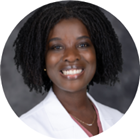
Who are OB-GYNs?
A female body experiences diverse biological functions like menstruation, childbirth, and menopause. An OB-GYN or obstetrician-gynecologist is a medical professional who specializes in the female reproductive system, pregnancy, and delivery.
OB-GYNs can treat conditions like abnormal bleeding, pelvic pain, genital itching, endometriosis, hormonal disorders, and infertility in women. They can perform several procedures such as biopsy, hysterectomy, myomectomy, and laser surgery. They also provide routine medical services and preventive screenings.
What are the education and training requirements of OB-GYNs?
OB-GYNs must undergo extensive medical education and training, lasting at least 12 years before they can start practicing. It includes four years of a pre-medical undergraduate degree, four years of medical school, and four years of residency. During residency, doctors work under the supervision of medical professionals and receive hands-on training on medical diagnosis, treatment, and care of OB-GYN-related conditions.
Following this, doctors can further obtain a sub-specialization in branches within OB-GYN, such as gynecological oncology, fetal medicine, reproductive endocrinology, and pelvic floor medicine and surgery. An OB-GYN can pursue one or multiple subspecialties, and it takes approximately three years to complete the training for each subspecialty.
Before they can practice, all OB-GYNs must clear a board certification exam overseen by the American Board of Obstetrics and Gynecology. Practicing OB-GYNs must also pass a maintenance exam every six years to uphold their medical license.
What are the differences between obstetrics and gynecology?
While OB-GYNs provide obstetric and gynecological care, the two branches of medicine differ. However, they are closely related.
Obstetrics focuses on medical and surgical care and treatment for women before, during, and after childbirth. This field of medicine is concerned with ensuring comprehensive maternal health and wellness. Obstetricians help with conditions related to labor, birth, as well as postpartum complications. They also aid with delivery and might perform surgeries to ease labor and other pregnancy-related concerns.
On the other hand, gynecology focuses on women's reproductive health, which involves diagnosing and treating reproductive concerns that extend beyond the scope of childbirth. Gynecologists treat medical conditions related to breasts, vagina, vulva, uterus, ovaries, and fallopian tubes. It is advisable for women to start seeing a gynecologist right from the onset of puberty and to visit an obstetrician once they are pregnant.
When should you see an OB-GYN?
The American College of Obstetricians and Gynecologists (ACOG) suggests that women must see an OB-GYN for the first time between the ages of 13 and 15 and have their first pelvic exam when they are 21 or when they first become sexually active.
Further, ACOG recommends that all women see an OB-GYN yearly for wellness checks to ensure preventive care. During these check-ups (also known as well-women exams), your doctor will review your medical history, check your vital signs, and conduct a breast exam, pelvic exam, and Pap smear. These exams are also great opportunities for you to ask questions regarding sexual or reproductive health and seek advice about safe sex, conception, contraception, etc.
Apart from regular check-ups, you can visit the best OB-GYN near you for reasons like -
- Low libido
- Incontinence
- Pregnancy test
- Pain during sex
- Menstrual cramps
- Suspected miscarriage
- Getting on birth control
- Postpartum depression
- Unpleasant vaginal odor
- Fertility-related concerns
- Urinary tract infections (UTIs)
- Hormone replacement therapy
- Queries regarding sexual or reproductive health
- Lumps, discoloration, or discharge in your breast
- Vaccination against the human papillomavirus (HPV)
- Bumps and blisters in or around your vagina and vulva
- Changes in the frequency and volume of bleeding during periods
- Vaginal bleeding or spotting between menstrual cycles or after menopause
- Changes in your menstrual cycle (first periods, perimenopause, and menopause)
What procedures do OB-GYNs perform?
OB-GYNs perform a variety of surgical procedures, which include -
- Laser surgery
- Cesarean delivery
- Surgical removal of ovarian cysts
- Surgery to treat pelvic organ injuries
- Myomectomy (removal of fibroids)
- Hysterectomy (removal of the uterus)
- Tubal ligation for sterilization (permanent birth control)
- Dilation and curettage (removing a piece of uterine tissue)
- Endometrial biopsy (removing a small piece of the uterine lining)
They also carry out a wide range of routine non-surgical procedures, such as -
- STI (sexually transmitted infection) tests
- Pelvic ultrasounds to monitor pregnancy
- Pap smears for screening cervical cancer
- Fertility treatments like egg retrieval and freezing
- Breast exams, mammograms, and breast cancer screening
What is female infertility?
The inability to become pregnant even after frequent, unprotected sex for at least a year is known as female infertility. Several causes of infertility are challenging to diagnose, and one usually identifies infertility after trying for pregnancy. Symptoms such as having a menstrual cycle that is too long or too short, the absence of periods for several months, or irregularity can be indicators of infertility.
What are the causes of female infertility?
There can be several causes of female infertility, such as -
- Ovulation disorders - Problems regulating reproductive hormones can cause ovulation disorders, and irregular ovulation is the leading cause of infertility. Several conditions affect ovulation, like -
- PCOS - Polycystic Ovary Syndrome (PCOS) causes hormonal imbalance affecting ovulation and is the most common cause of infertility.
- Hypothalamic dysfunction - It occurs when the production of hormones responsible for stimulating ovulation gets disrupted due to physical or emotional stress or very high/low body weight. Hypothalamic dysfunction causes irregular periods and affects ovulation.
- Overproduction of prolactin - Prolactin is a hormone secreted by the pituitary gland and is responsible for forming milk in the breasts during pregnancy. Excess prolactin due to specific medication or abnormal gland functioning reduces estrogen production and can cause infertility.
- Tubal infertility occurs due to damaged or blocked fallopian tubes, which can prevent the sperm from fertilizing the egg or block the passage that passes the fertilized egg into the uterus. Pelvic inflammatory disease, uterus infection due to chlamydia, and gonorrhea can cause tubal infertility. Surgeries in the abdomen or pelvis can also damage the fallopian tubes.
- Endometriosis happens when the tissues typical of the uterus start growing in other places. The extra tissue or the remedial surgery of removing it can damage or block the fallopian tubes. It affects the implantation of the fertilized egg.
- Uterine or Cervical causes - Polyps or uterine tumors can block the fallopian tube, interfere with implantation, and affect fertility. Some defects, like an unusually shaped uterus, can also affect the chances of a successful pregnancy.
Female infertility risks and prevention
Although infertility can affect anyone, certain factors may put you at a higher risk of infertility. Such as -
- Age - The production and quality of eggs in women begin to decline with age, making pregnancies difficult and increasing the risk of miscarriage.
- Smoking - Besides damaging the cervix and fallopian tubes, smoking increases the risk of miscarriage. It also ages the ovaries, thus depleting the eggs prematurely. One should stop smoking before beginning fertility treatment.
- Weight - Being overweight or significantly underweight can affect ovulation. A healthy Body Mass Index (BMI) can increase the frequency of ovulation and enhance the chances of pregnancy.
- Sexual history - Sexually transmitted diseases (STDs) like chlamydia and gonorrhea can damage fallopian tubes. Unprotected intercourse with multiple partners can increase the risk of developing STDs and cause fertility issues.
- Alcohol - Excessive alcohol intake can lead to decreased fertility, and alcohol consumption during pregnancy can affect the fetus's health. Therefore, avoiding alcohol while pregnant or planning to get pregnant can give one a better chance of successful childbirth.
- Stress - Infertility can also be caused by stress and, therefore, needs to be managed to increase pregnancy chances.
What to expect during your first visit to an OB-GYN near you?
Once you’ve chosen an OB-GYN near you, knowing what to expect at your first appointment is helpful. Feeling nervous is normal, and talking with someone you trust can help ease any anxiety. Letting your doctor know if you’re feeling uneasy is also okay—they’re there to support you.
Your first visit often starts with a conversation where the doctor will introduce you to what future visits will involve and discuss ways to maintain good health. This is also a chance to ask questions about your body, development, and sexual health. You may be asked some personal questions, including those about your menstrual cycle or sexual activity; honest answers help the doctor provide the best care. You can also discuss any privacy concerns beforehand.
During this initial visit, you might undergo a few common exams, which could include a general physical checkup, an external genital exam, and STI testing if you’re sexually active. The general exam typically involves recording your height, weight, blood pressure, and overall health. The external genital exam allows the doctor to examine the vulva and may involve using a mirror to help you become more familiar with your body.
While a pelvic exam is not usually required at the first visit, understanding it can be helpful. A pelvic exam consists of three parts - examining the vulva, using a speculum to view the vagina and cervix, and gently pressing on internal organs with a gloved hand. Pap tests, used as a diagnostic test for cervical cancer, are usually not needed before age 21. A Pap test involves collecting a small sample of cells from the cervix to test for any changes that might lead to cancer. For individuals aged 21 and older, an HPV test may also be recommended.
How to find the best OB-GYN near you in Palm Harbor, FL?
OB-GYNs are essential in maintaining a healthy reproductive system in women, and every girl after 18 should visit one annually. They treat complex conditions and provide preventive care and consultation. They can advise on family planning and perform several procedures like ultrasounds, pelvic exams, and pap smears to ensure good reproductive health.
Finding a qualified and experienced OB-GYN in Palm Harbor, FL, can be tricky. Zocdoc provides a list of top-rated specialists in your area who can fulfill all your medical requirements. The patient-doctor connection is crucial for effective treatment; thus, on Zocdoc, you can access the unique profiles of each healthcare professional, which contain all the relevant information you need to make an informed choice and identify the best OB-GYN near you. On a doctor’s profile, you can learn about their educational qualifications, experience, board certifications, expertise, and languages spoken, and you can also read verified reviews from previous patients.
Once you decide, Zocdoc allows you to book an in-person or virtual appointment based on the availability of your chosen provider. While browsing the list of doctors, look for a purple-colored video icon. If the icon is present next to a doctor’s name, it indicates they offer online consultations. You can also include your insurance carrier's name in the search and view all the OB-GYNs who accept your plan. If your insurance plan isn’t listed on Zocdoc, you can try uploading a photo of your medical insurance card (note that this feature doesn’t apply to vision or dental plans). We’ll scan the image to identify your plan and display the closest match. If you run into issues while uploading, our service team is available to assist you!
All bookings with Zocdoc are easy, free, and secure!
Statistics on infertility in the U.S. and Florida
According to research by the National Institute of Child Health and Human Development, about 11% of women of reproductive age experience fertility issues in the United States. The Centers for Disease Control and Prevention states that 19.4% of women aged 15-49 years couldn't give birth due to infertility in 2015-2019.
According to the National Infertility Association, between 2015-2017, approximately 558,588 women aged 15-44 years in Florida suffered from impaired fecundity (physical inability to give birth or carry the pregnancy till delivery).
Sources
Healthline
Mayo Clinic
National Institute of Child Health and Human Development
The National Infertility Association
WebMD
Cleveland Clinic[1]
Cleveland Clinic[2]
Cleveland Clinic[3]
Cleveland Clinic[4]
Medical News Today
Penn Medicine
The American College of Obstetricians and Gynecologists[3]