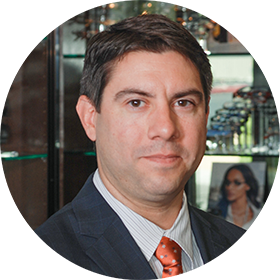
Who is an ophthalmologist?
An ophthalmologist is an eye care and vision care specialist who can diagnose, treat, and help you prevent several eye diseases. Such medical doctors (MDs) or osteopathic doctors (DOs) receive specialized training and study different eye conditions to take the best care of eye-related problems. They differ from opticians and optometrists because their areas of expertise and training differ.
The branch of ophthalmology includes identifying, treating, and preventing eye diseases through eye examinations, testing your vision, performing eye surgery as required, and treating eye problems related to diseases such as diabetes.
Ophthalmologists can help prevent or treat various kinds of eye diseases, including:
- Cataracts
- Glaucoma
- Dry Eye
- Low Vision
- Refractive Errors of the Eye
- Farsightedness (Hypermetropia)
- Nearsightedness (Myopia)
- Presbyopia
- Astigmatism
- Corneal Disease
- Macular Degeneration (age-related)
- Retinopathy
What is an ophthalmologist's qualification?
An individual undergoes rigorous training and practice to qualify as an ophthalmologist. It includes:
- Completing a four-year course at a reputed pre-med school to obtain an Undergraduate degree
- Dedicating four years more to a medical school where the doctor obtains an MD or DO degree
- After medical school, the doctor completes additional years of surgical or medical training with a specific specialty focus. The medical provider may also intern for practical knowledge and experience after medical school.
- With the doctor's qualifications in place, applying for a state license of their choice to practice Ophthalmology is necessary.
- After meeting all state board requirements and gaining optional board certifications, ophthalmologists are ready to practice.
Ophthalmologists vs. optometrists vs. opticians
Different eye care doctors have various duties, training, and expertise. They may be often confused with each other. Therefore, it is crucial to understand the differences between the following:
- Ophthalmologists are doctors of osteopathy (DO) or doctors of medicine (MD) capable of diagnosing and treating various vision and eye conditions. They are qualified to provide medical and surgical eye care, eye examinations, and vision services, and they address visual complications and eye diseases. Moreover, ophthalmologists undergo further training than optometrists to provide comprehensive eye care.
- Optometrists are healthcare professionals who are not medical doctors. They conduct vision tests, prescribe lenses, and treat specific eye conditions. Hence, their responsibilities include diagnosing, treating, and managing vision changes, testing, and correction. Optometrists complete a doctor of optometry (OD) degree after completing 2 to 4 years of college, followed by four years of optometry school. They perform eye examinations and vision tests, prescribe medications for specific eye diseases (in some states), detect certain eye abnormalities, and prescribe and dispense corrective lenses. However, their range of responsibilities may differ across states in the U.S. Both optometrists and ophthalmologists may perform eye surgery depending on the scope of practice within the state. However, optometrists can perform only a few surgeries. They can also provide vision therapy and low-vision aids. Some of the conditions they treat include glaucoma, dry eye, and conditions related to diseases like diabetes.
- Opticians are customer service representatives working in an optometrist's office or a vision care store. They receive training to design, verify, and fit eyeglass lenses and frames. Additionally, they provide contact lenses and other devices to correct eyesight. Moreover, they follow the prescriptions supplied by an ophthalmologist or optometrists. Hence, they cannot write prescriptions or perform vision tests for visual correction. They cannot diagnose or treat eye conditions or diseases. However, they may provide routine care, adjustments, and prescription refills for eyeglasses and contact lenses. They can also answer general eye care questions and help customers choose eyeglass frames or other vision accessories.
When should you consult an ophthalmologist near you?
Here are some common signs to visit an ophthalmologist:
- You are experiencing blurriness in your vision: When you experience eye blurriness, it can usually be a sign that your eye power is changing, but sometimes, it can also be due to cataracts. If your vision changes with each blink, it may be because of dry eyes. However, if you have distorted vision or shadows over your eyesight, the condition can be more severe and may denote a retinal problem. In such cases, the best option is to get your eyes checked by an ophthalmologist.
- Your eyes feel too dry: When they experience dryness too often, it can cause extreme discomfort while performing everyday activities. It may hamper your reading ability or cause you to focus on your laptop screen for an extended period. Sometimes, prolonged dry eyes can scar the cornea. An ophthalmologist can check for such symptoms in your eye with the help of a slit lamp. They will assess the eyes under the light and use a yellow dye (fluorescein) to check the cornea and tear film.
- Your eyes appear too red or look bloodshot: Eye redness can have many causes, such as a blood vessel tear, inflammation, external particles entering the eye, etc. Some people typically have red eyes, which is usually not a matter of concern. However, if the eye redness continues for a longer duration or gets combined with eye pain, it can be a sign to go and consult an ophthalmologist near you. The doctor can assess your eyes under the slit lamp or perform a dilated eye test.
- You are experiencing eye pressure: Eye pressure can signify glaucoma, an eye disease that leads to blindness. Other neurological conditions or sinus problems can also cause it, but it can also be an early warning sign for glaucoma. It is advisable to consult an ophthalmologist as soon as possible to avoid the risk.
- You are suffering from eye pain: Sometimes, eye pain can be related to the onset of eye diseases such as episcleritis, dry eyes, uveitis, or eye inflammation. If you experience constant headaches due to migraine or sinusitis, it can also cause eye pain. In such occurrences, it is best to get an eye examination done to understand the reason for the pain and get the right treatment.
How do you prepare for an ophthalmology appointment?
If you have an eye consultation coming up and you wish to make the most of your time with the ophthalmologist, the key is to prepare for it well. Here are some tips you can follow before your next appointment:
- Please write down your symptoms: Whether you have been facing dry eyes, blurred vision, or eye strain, list all your symptoms and note down details such as when they began, how often they occur, what makes them better or worse, and how they are affecting your everyday life.
- Know your personal and family medical history: Do you have any chronic health conditions or allergies? Do you currently take any over-the-counter or prescription drugs, supplements, or herbal remedies? Do you have a family history of eye diseases? You can expect these questions during your appointment, so ensure you have all the information you need for effective communication with your provider.
- Carry your current prescription: If you wear glasses or contact lenses, carry them. The eye doctor will evaluate your current prescription before taking new measurements.
- Make a list of questions: Your ophthalmologist can answer all your eye health-related questions. Whether you want to understand the best eye care tips or get clarification on the treatment options for blurred vision, write down all your doubts and queries before your appointment.
- Relax yourself before the eye exam: Going for the appointment with tired, strained eyes can make the exam uncomfortable. It is a good idea to get quality sleep, stay hydrated, and minimize screen time before the consultation.
- Prepare for dilation: Before you meet the ophthalmologist, call their office to confirm if you can expect a dilated eye exam. Since dilation can increase sensitivity to light, you must carry your sunglasses and arrange for a drive back home.
Finding the right ophthalmologist near you in Las Vegas
Your eyes are one of the most delicate parts of the body, and you must take extra precautions to ensure they are healthy throughout your lifetime. An ophthalmologist can help you by accurately examining your eye, diagnosing and treating the exact problem, and helping you prevent serious eye illnesses.
Finding the ideal ophthalmologist who is trustworthy and efficient, understands your eye problem, and offers the best solution can become a tough challenge, especially during emergencies. That is why Zocdoc already has a repository of the best ophthalmologists in Las Vegas who provide excellent eye treatment and accept your insurance.
If you do not have vision coverage, you can select "I'm paying for myself" in the search bar. Once you acknowledge you will be bearing out-of-pocket expenses, Zocdoc will match you with ophthalmologists who accept patients without insurance. For more related information, consider visiting our patient help center page.
You can schedule your appointment within minutes. You can check each doctor's authenticity by reviewing patient reviews, ratings, the doctor's education details, board certifications, experience in their field, etc.
All your bookings at Zocdoc are costless, secure, and safe.
Vision health statistics in Las Vegas, Nevada
According to a report published by the Centers for Disease Control and Prevention, a significant portion of the Las Vegas, Nevada, population suffers from severe vision impairment. About 11% of the people who reported poor health and 3% who reported good health had a higher rate of eyesight impairment.
Over 87,000 people in Nevada report difficulty seeing even after using spectacles or report blindness. The report also highlights that people who suffer from diseases like arthritis, diabetes, and mobility issues have a visual impairment. 45% of the population aged 65 years or above have had a fall due to severe vision impairment. With time, the strength in our vision reduces. Hence, we must ensure our eyes are in excellent condition even in old age.
Sources
American Academy of Ophthalmology
Cleveland Clinic
Lehigh Valley Health Network
UT Southwestern Medical Center
University of North Carolina
Centers for Disease Control and Prevention
Healthline
WebMD
Kraff Eye Institute
Kadrmas Eye Care New England