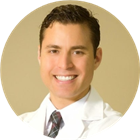
Who is a physiatrist?
Physiatrists, commonly known as physical medicine and rehabilitation (PM&R) physicians, are trained medical professionals capable of treating many pain-causing conditions. Besides addressing musculoskeletal disorders, i.e., issues about the bones, muscles, tendons, ligaments, and nerves, physiatrists also tackle brain and neurological problems.
Physiatry is a unique medical specialty that focuses on the patient as a whole instead of treating a particular organ or disease. The treatment methodology encompasses the physical aspect of individuals with their emotional, vocational, and social needs. Physiatry aims to remove or reduce pain, improve physical functionality, deal with workplace-related mental issues, and restore quality of life without surgical procedures.
The treatment plans that physiatrists adopt are customized for individual patients. Depending on the condition, they may choose any of the following approaches:
- Pain medicine: This is the standard practice for chronic pain management.
- Neurorehabilitation: This method addresses the pain and mobility issues arising from traumatic brain injury, spinal cord injury, or stroke.
- Musculoskeletal care: Doctors must diagnose and treat the musculoskeletal system thoroughly for autoimmune diseases like rheumatoid arthritis and osteoporosis.
- Sports injury care: Stress fractures, tendonitis, and concussions are common sports injuries that require focused treatment.
- Post-surgery care: Physiatrists have the expertise to provide post-operative care for necessary surgical procedures, such as organ transplants, joint replacements, and heart surgeries.
How to become a physiatrist?
The education and training program for physiatrists is similar to that of other branches of medicine. After completing their bachelor's degree in science, aspirants enroll in a four-year medical program.
Completing the medical school curriculum earns them a Doctor of Medicine (MD) or Doctor of Osteopathy (DO) certification. They proceed to a four-year postdoctoral residency training in physical rehabilitation.
To obtain board certification, the doctors must clear the examination conducted by the American Osteopathic Board of Physical Medicine and Rehabilitation or the American Board of Physical Medicine and Rehabilitation.
Many physiatrists opt for further fellowship in focused areas like pediatrics, sports medicine, brain trauma, or spinal cord injuries.
Physiatrist subspecialties
After becoming certified in Physical Medicine and Rehabilitation (PM&R), physiatrists can specialize further by focusing on specific care areas. These subspecialties allow them to gain advanced expertise in treating particular conditions.
The American Board of Physical Medicine and Rehabilitation offers certifications in seven key subspecialties:
- Brain injury medicine: Focuses on diagnosing and treating individuals with brain injuries.
- Hospice and palliative medicine: Patients with serious illnesses benefit from care that improves their quality of life.
- Neuromuscular medicine: Specializes in treating disorders that affect nerves and muscles.
- Pain medicine: Addresses chronic and acute pain management through various therapies.
- Pediatric rehabilitation medicine: Helps children recover from injuries or manage conditions affecting movement.
- Spinal cord injury medicine: Focuses on rehabilitation for those with spinal cord injuries.
- Sports medicine: Treats sports-related injuries and helps athletes recover.
Choosing physiatrists near you with subspecialty knowledge guarantees you receive care personalized to your needs. These specialists provide advanced treatment options to enhance recovery and overall well-being.
When should you visit a physiatrist?
Physiatrists tackle many physical and physio-emotional problems that impair your quality of life. If you are experiencing any of the following conditions, consider visiting a physiatrist near you:
- You have difficulties performing routine tasks: Accidental or sporting injuries can have a long-lasting effect on our mobility. It can become tough to perform daily activities, like getting up from a sitting position, climbing stairs, or resting properly. A physiatrist can devise a rehabilitation plan to help you overcome these nagging conditions. They can also assist in dealing with chronic discomfort caused by specific issues, like obesity, lower back pain, arthritis, nerve damage, and stroke.
- You have reduced energy: Many diseases and their treatment can leave you with feelings of lethargy. A physiatrist can help you to fight fatigue and restore your usual vitality.
- You have scheduled surgery or recovering from surgery: Surgeries often drain us physically and emotionally. You can consult a physiatrist to work out a preliminary plan that gears you for the operation and helps you recover from the trauma with relative ease.
- You are going through a life-altering phase: Pregnancy, childbirth, menopause, and aging trigger multiple changes in your physical condition. A physiatrist is ideally suited to guide you through these life-changing episodes.
What are the most common conditions that physiatrists treat?
Among the broad spectrum of conditions that physiatrists address, the following are the most common:
- Arthritis
- Back pain
- Brain injuries
- Carpal tunnel
- Cancer rehabilitation
- Neck pain
- Strokes
- Neuromuscular disorders
- Sports injuries
- Spinal cord injuries
- Herniated disc
- A pinched nerve in the neck or back
- Sciatica
- Fibromyalgia
- Work Injuries
- Parkinson's disease
- Multiple sclerosis
- Guillain-Barre syndrome
- Pelvic floor disorders
What procedures do physiatrists perform?
Physiatrists diagnose and treat conditions affecting muscles, nerves, and joints. They perform various procedures, including:
- Electromyography (EMG): Fine needle electrodes are inserted into muscles to assess muscle and nerve function, helping identify whether the issue is nerve-related or due to muscle weakness.
- Nerve conduction studies (NCS): Electrodes determine the location of nervous system injuries.
- Trigger point injections: To reduce pain, an anesthetic or dry needling (like acupuncture) is used on muscle trigger points.
- Musculoskeletal ultrasound: Ultrasound imaging identifies soft tissue problems and guides injections.
- Spasticity management: Physiologists prescribe medications to relieve pain and improve mobility after strokes, where muscles stiffen or contract.
Additionally, a physiatrist near you might offer treatments like acupuncture, stem cell therapy, joint or spinal injections, and pain medication. They can also prescribe physical therapy or personalized exercise plans.
What to expect from your physiatry appointment?
While visiting the physiatrist near you, expect a detailed evaluation and a personalized treatment plan to address your musculoskeletal or neurological condition. During your appointment, the physiatrist will conduct a comprehensive physical examination, examine your medical history, discuss your symptoms, and review prior treatments. This knowledge will help them understand your ailment better and develop an appropriate treatment strategy.
The physical examination conducted by the physiatrist may include assessing your strength, flexibility, coordination, and range of motion. Your physiatrist may also evaluate your posture and examine specific areas of concern. This examination is crucial in identifying the root causes of your condition and determining the most effective treatment options.
In addition to the physical examination, the physiatrist may ask for diagnostic tests such as X-rays, MRI scans, or nerve conduction studies. These tests provide detailed insights into your body's underlying structures and functions, helping the physiatrist diagnose and create a tailored treatment plan.
The physiatrist will actively converse with you during your visit to understand your concerns, goals, and treatment preferences. They will explain your diagnosis in clear, understandable terms and discuss the available treatment options. This open and collaborative communication allows you to be part of the decision-making process regarding your healthcare.
The treatment options offered by physiatrists can vary depending on your condition. They may include physical therapy, medication management, interventional procedures (such as injections or nerve blocks), assistive devices, and lifestyle modifications. The physiatrist will work closely with you to craft a treatment plan that aligns with your goals, maximizes your functional abilities, and minimizes pain and discomfort.
During subsequent visits, the physiatrist will assess your progress, adjust the treatment plan as needed, and provide guidance on self-care techniques and exercises to enhance your recovery.
They may also collaborate with other medical experts, like physical or occupational therapists, to ensure comprehensive and coordinated care.
What is the difference between a physical therapist and a physiatrist?
Physical therapists are not doctors; hence, they can't prescribe medicines. Their role is to monitor and guide exercise programs often recommended by physiatrists or other physicians.
On the other hand, physiatrists are qualified doctors who can prescribe medications as and when needed. They often develop exercise routines or other physical rehabilitation procedures that are supervised by physical therapists for proper implementation.
Tips for maintaining good physical health
Keeping good physical health is critical to overall well-being and life expectancy. Listed below are a few tips that will help you achieve and sustain optimal physical health:
- Exercise routinely: Exercise regularly, alternating between aerobic, strength training, and flexibility exercises. Experts recommend that adults engage in approximately 2.5 hours of moderate-intensity aerobic activity per week. Activities such as playing, working, doing housework, engaging in recreational pursuits, and traveling all help.
- Eat well: A balanced diet includes healthy, nutrient-dense foods such as proteins, fruits and vegetables, whole grains, and healthy fats. Regulate your intake of processed foods and excess sodium and saturated fats.
- Hydrate yourself: Drink adequate water throughout the day to stay hydrated. The quantity of water necessary differs depending on weight, age, environment, and activity level.
- Get good sleep: Prioritize sleep, aiming for eight hours of rest per night. Create a healthy sleep schedule and optimize the environment in which you sleep to ensure complete rest. Sleeping well strengthens your immune system.
- De-stress: Stress reduction techniques such as meditation, deep breathing, mindfulness, or yoga can help relieve stress and foster relaxation. Participate in activities you enjoy and allocate time for hobbies and recreational pursuits.
- Get regular health checkups: Make regular appointments with your healthcare provider for preventive screenings, vaccinations, and other medical assessments. Address your health issues as soon as possible and follow medical recommendations for optimal management of chronic conditions.
- Avoid detrimental substances: minimize or stop your use of alcohol, tobacco, and illicit substances because they can all have a damaging effect on your physical health. If you need help quitting, seek it from healthcare professionals or peer support organizations.
- Use sun protection: When spending time outside, wear sunscreen, protective apparel, and sunglasses to safeguard your skin from harmful UV rays. Avoid prolonged sun exposure, particularly during the peak hours of 10 a.m. to 3 p.m.
- Foster social connection: Build positive relationships with friends, family, and community members. Social interactions are necessary for emotional and mental wellness and influence overall physical health.
An expert, such as a physiatrist, can provide more personalized advice.
Where can you find a reputable physiatrist near you in Clifton?
Physiatrists are your go-to healthcare provider for many pain-induced conditions impairing daily functioning. Contacting a qualified physiatrist is advisable, particularly if you have chronic discomfort or work hazards that make you prone to injuries and pain.
Searching for the best physiatrists ends with Zocdoc. We have some of the best in the business empaneled with us. Our practitioner profiles contain information regarding their educational background, professional certifications, hospital affiliations, licensures, and awards. You can also find out the language and the insurance plans they accept.
When scheduling an appointment on Zocdoc, you'll typically be asked to provide your insurance details or confirm that you'll be paying out-of-pocket. Some healthcare providers require insurance information upfront to secure the appointment. However, if you prefer not to share your insurance or plan to pay without using it, you can find another provider on Zocdoc that accommodates your preference. For more queries, you can visit the Zocdoc patient help center page.
We advise you to review the verified client testimonials before choosing the best physiatrist near you. Once you are ready, you can proceed with our seamless appointment scheduling process. Remember to select the appropriate option for in-clinic and online consultation.
All bookings through Zocdoc are safe, secure, and free.
Vital statistics of physiatrist in New Jersey, USA
According to the Association of American Medical Colleges data, there are more than 9700 physical medicine and rehabilitation physicians in the United States, and nearly 6100 are active US MDs. New Jersey has only about 463 physiatrists, with the number of people per physician coming close to a staggering 19,250. Approximately 54% and 46% are male and female physiatrists, respectively.
Between 2000-2019, about 1.8 million New Jersey residents experienced non-fatal work injuries. In this period, around 195,600 cases of musculoskeletal disorders were reported in New Jersey, with back pain and neck pain accounting for about 48% and 27%, respectively.
Neuromuscular diseases, an umbrella term for disorders, affect an estimated 250,000 Americans annually. The yearly treatment expenditure is almost $46 billion.
Cancer survivors in the United States are estimated to touch almost 26 million by 2040. The country has about 71 National Cancer Institute-designated rehabilitation centers across 36 states and the District of Columbia.
Sources
WebMD[1]
PennMedicine
American Academy of Physical Medicine and Rehabilitation
Association of Academic Physiatrists
YaleMedicine
Johns Hopkins Medicine
Mayo Clinic
National Center for Biotechnology Information
Zippia
Association of American Medical Colleges
State of New Jersey Department of Health
National Cancer Institute
Core Medical Center
OrthoIndy
Richard M. Fairbanks School of Public Health
World Health Organization
UCSF Health
Cleveland Clinic