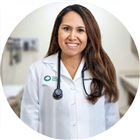
Who is a primary care doctor?
A medical practitioner specializing in various fields offers patients primary care as a primary care doctor. These doctors practice general medicine and care for most illnesses, excluding rare or peculiar diseases. Primary care doctors are the first to get in touch with patients and usually follow their recovery from the beginning of the first time they need medical care. Think of primary care doctors as generalists who understand various fields of medicine, everything from the flu to diabetes. Primary care is critical because it is the first point of contact between a patient and the health system and is the most accessible type of medical care available. Primary care doctors assess a person's health and well-being before deciding if they need specialized medical care. They also work to provide the best general care.
How long do primary care doctors train for?
Primary care doctors spend years training and educating themselves. Students must complete a bachelor's degree, which requires four years to pursue, before spending another four years in medical school. Medical students must then complete a residency at an established hospital. The resident doctor might specialize in a particular medical field during this period. The time spent in medical residency depends on the specialty they want to pursue. This process takes three to seven years, depending on experience, specialty, and training. During residency, doctors work closely with senior doctors to gain hands-on experience.
How are primary care doctors different from family doctors?
Although they might seem similar, primary care doctors have varying degrees of experience, and some are more specialized than others in handling particular ailments and difficulties. On the other hand, family doctors can treat families more holistically because of the range and depth of their knowledge. They can provide early development care for babies and toddlers, immunizations and physicals for school-age children, and senior care for older people. A family doctor will not only be familiar with concerns relating to men's and women's health but can also provide patients with informed advice based on family history.
Why should you consult a primary care physician?
There are multiple benefits to consulting the best primary care doctor near you, which include establishing a robust patient-doctor relationship. These healthcare professionals build trust and actively ensure the well-being of their patients. They can help prevent potentially harmful situations, like different specialists unintentionally prescribing medications that could interact negatively, possibly nullifying effects or causing harm to your body when taken together.
Here are several compelling motives to consider engaging with a primary care doctor:
- Addressing urgent medical issues: Primary care physicians are well-prepared to tackle pressing health problems like colds, flu, fevers, sudden pain, insect bites, rashes, and allergies that require immediate attention. Whether you are facing minor ailments or more complex diseases, your primary doctor has the expertise to diagnose your condition accurately, suggest appropriate treatments, and provide valuable guidance for enhancing your overall well-being.
- Managing chronic diseases: Primary care doctors play an active role in handling chronic diseases by offering treatment for acute health issues and assisting in managing and preventing infections. Apart from addressing immediate health concerns, they conduct yearly physical examinations to detect any health changes that might signal the progression of an underlying condition. They can intervene early and deliver suitable care by continuously monitoring your well-being.
- Dealing with digestive problems: Primary care doctors can manage digestive issues like acid reflux and gastroesophageal reflux disease (GERD). They can steer you toward preventing and managing symptoms through various approaches, including lifestyle adjustments and antacids. For example, your doctor might recommend having dinner earlier in the evening to alleviate the problems you are experiencing.
- Pain management: Primary care physicians also excel in helping patients manage pain from cancer, osteoarthritis, diabetes, or the aftermath of a prior injury. They employ diverse techniques to alleviate pain, such as administering steroid injections, prescribing condition-specific medication, and suggesting physical therapy. By effectively addressing pain, they aim to enhance the overall quality of life and aid recovery.
Why are primary care doctors important?
Medical treatment is vast, and for the general public, it can seem difficult to understand how to go about their medical challenges. Primary care doctors can bridge this gap. Since they are the first point of contact for many patients, primary care doctors must help patients understand their symptoms and refer them to the right specialist. These doctors play a more hands-on role in providing care during an urgent medical need. Primary care doctors were the first on the scene during the COVID-19 pandemic to take action and control the rising infections. These doctors play a significant part in the medical ecosystem. Everyone needs a primary care doctor to understand their health better.
What illnesses can primary care doctors treat?
Since primary care doctors are ultimately general medicine practitioners, they can handle multiple health challenges a patient might face. Recent breakthroughs in medical science help primary care doctors provide the best care they can for patients. Primary care doctors offer patients preventive treatment for several severe health issues. Apart from preventative care, primary care doctors also provide patients with treatment plans for common illnesses like the common cold. With the help of primary care doctors, diseases that could end up being chronic, such as liver damage, severe diabetes, and even cancer, can be detected and managed at the early stages. Primary care physicians may also direct patients to specialized medical professionals for specialized treatment in difficult situations. Individuals can consult primary care doctors for their yearly health examinations or whenever they experience health-related worries.
What is a physical exam, and what should you expect during one?
Performing physical examinations is one of the most crucial responsibilities of a primary care doctor. Annual full-body check-ups help your doctor focus on preventive care and identify early signs of illnesses. A physical exam may typically comprise the following tests:
- Vital signs: Your doctor will start by checking your temperature, blood pressure, heart rate, oxygen saturation, and respiration rate. Assessing your vital signs helps them detect potential concerns and/or monitor health issues.
- Heart and lung exams: The physician will listen to your heart using a stethoscope to catch a murmur, irregular heartbeat, and other signs of heart disease. They will also listen for indicators of lung disease, such as wheezes and decreased breath sounds.
- Dermatological exam: The doctor will examine your skin and nails for any signs of a dermatological problem or a condition affecting other body parts.
- Neurological exam: They will assess your nerves, reflexes, balance, muscle strength, and mental state.
- Head and neck exams: Your doctor will check the inside of your mouth to inspect your throat and tonsils. They will also check the quality of your teeth and gums and examine your ears, eyes, nose, sinuses, lymph nodes, thyroid, and carotid arteries.
- Abdominal exam: For this test, your doctor might use different examination techniques, such as tapping your abdomen to detect your liver size and the presence of abdominal fluid and listening for bowel sounds with a stethoscope.
Based on your sex, your doctor may perform additional tests, such as:
- Male physical exam: They will check each testicle for tenderness, lumps, and changes in size, inspect the penis for signs (warts, ulcers, etc.) of sexually transmitted infections (STIs), assess the strength of the abdominal wall that is between the scrotum and intestines, and insert a finger in the rectum to assess the prostate for size and any suspicious areas.
- Female physical exam: The doctor will feel the breasts for abnormal lumps that might indicate breast cancer or benign conditions, inspect the lymph nodes in the underarm area, and check the breasts and nipples for visual abnormalities. Further, they will conduct a pelvic exam to examine the vagina, vulva, cervix, uterus, and ovaries, check for STIs, and screen for cervical cancer by performing an HPV test and/or a Pap test.
What are some tips for maintaining good health?
Maintaining good health is necessary for overall well-being, and lifestyle changes can greatly affect the outcomes. Below are some general tips to help you live a better life:
- Balanced nutrition: Prioritize a diet rich in fruit, legumes, vegetables, nuts, and whole grains. Limit sugary snacks and excessive salt intake. This can help avoid chronic illnesses such as obesity, diabetes, and heart disease.
- Regular exercise: Consistently exercise for at least 150 minutes weekly. Incorporate activities such as playing, jogging, working, doing household chores, or traveling to improve cardiovascular health, muscle strength, flexibility, and mental well-being.
- Drinking safe water: Staying hydrated throughout the day is important, but ensuring that the water you are drinking is safe is even more critical. Harmful water can lead to issues like diarrhea, cholera, hepatitis A, polio, and typhoid. If you are unsure of the water source, boil it for at least one minute and let it cool before consuming. This process eliminates harmful organisms present inside.
- Quality sleep: Focus on getting enough restful sleep each night. A good nap can affect mood, cognitive function, immune health, and overall energy levels.
- Practicing safe sex: Safe sex can help prevent HIV and other sexually transmitted infections (STIs), such as gonorrhea and syphilis. There are effective prevention measures available, such as pre-exposure prophylaxis (PrEP) to protect against HIV and condoms, which can safeguard you from both HIV and other STIs.
- Stress management: Conditions such as depression and anxiety can significantly harm overall wellness. So, engage in stress-reduction techniques like deep breathing, meditation, and mindfulness, or participate in hobbies and activities you enjoy. It's also necessary to manage your workload, establish boundaries, and seek social support to cope with stressors effectively.
- Regular health checkups: Schedule routine visits with your primary care doctor for preventive screenings, vaccinations, and medical assessments. Timely detection of health issues can lead to better treatment outcomes and disease prevention.
- Limit alcohol and avoid tobacco: To lower the risk of lung disease, heart disease, and other health issues, quit smoking and avoid secondhand smoke. Limit alcohol consumption to protect liver health and reduce the risk of alcohol-related conditions.
How to find the best primary care doctor near you?
Consulting a primary care physician has several benefits, but finding the right one for your medical needs can be challenging. Zocdoc helps individuals locate the most suitable primary care physician to address their medical requirements. To find the best primary care physicians in Bryn Mawr, Pennsylvania, visit the Zocdoc website and enter the specialty you are looking for, your preferred date and location, and your insurance details. Furthermore, you can refine your search outcomes by specifying gender, hospital associations, spoken languages, and accepted forms of insurance.
If you need clarification on your insurance, you can use Zocdoc's insurance finder to help you understand your plans. Adding your insurance details to your Zocdoc account simplifies finding in-network providers. However, many doctor's offices check your insurance card in person, so remember to carry it to your appointment. For other insurance-related queries, check Zocdoc’s patient help center.
Every primary care doctor near you listed on Zocdoc has a dedicated profile with information about their education, training, qualifications, specialty, board recognitions, and even the awards they have won. Moreover, you can also view the verified patient reviews before choosing a practitioner. With Zocdoc, you can also book virtual consultations and in-person visits. Look for the purple icon next to the practitioner's profile to know which offers online consultations.
All bookings on Zocdoc are easy, free, and secure!
Health issues statistics in Pennsylvania
The Bryn Mawr Community Hospital reports that one suffers from high cholesterol levels and blood pressure for every four adults. Obesity is also a brutal struggle for the residents of Bryn Mawr, with over 19% of the population being affected. Community leaders, school nurses, and other community members named obesity as one of the leading health issues.
In 2022, a healthcare practitioner informed 11.5% of people in Pennsylvania about their diabetes. The number was the same as the national average. Moreover, the highest number of people who reported diabetes in 2020 were African-Americans (19%), followed by Asians (11.7%), Whites (10.6%), and Hispanics (9.6%). The highest number of people were 65+ (22.7%), followed by those aged 45-64 (13.4%) and 18-44 (3.4%). More males (12.4%) reported diabetes than females (10.5%).
Sources
Bryn Mawr Hospital Main Line Health
Star Medical Associates
WebMD[1]
WebMD[2]
Healthline[1]
Healthline[2]
Healthline[3]
America's Health Rankings
Cleveland Clinic[1]
Cleveland Clinic[2]
Cleveland Clinic[3]
Cleveland Clinic[4]
Cleveland Clinic[5]
World Health Organization