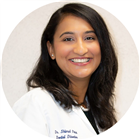
Who is a prosthodontist?
A prosthodontist is a specialist who addresses dental and facial concerns, such as restoring and replacing missing or damaged teeth. They study prosthodontics, which entails using corrective tools and machines to diagnose, treat, rehabilitate, and maintain oral function in patients with deficient teeth and maxillofacial tissues. They also offer cosmetic corrections to patients who seek dental treatment to improve their aesthetics.
Prosthodontists’ practice deals with restorative treatments. They insert dentures, implants, caps, or crowns to replace missing teeth. Some prosthodontists may work with people with head and neck deformities by replacing missing parts. To perform these functions, prosthodontists undergo advanced training, which involves the following:
- Attaining a bachelor's degree
- Completing dental school
- Clearing the National Board of Dental Examinations to earn a Doctor of Dental Surgery (DDS) or Doctor of Medicine in Dentistry (DMD) qualification
- Finishing a three-year residency and education through an American Dental Association-accredited prosthodontic graduate program
- Passing a certification exam by the American Board of Prosthodontics
How to choose between a prosthodontist, an orthodontist, and a general dentist?
A general dentist offers routine check-ups and cleanings. They are primary dental care providers who provide essential restorative treatments such as fillings. When dealing with any dental concern, the first step usually involves visiting a general dentist, who will examine you and guide you through the next few steps. If the case is complex or outside the scope of their practice, the dentist may refer you to another specialist.
An orthodontist specializes in orthodontics, focusing on straightening teeth and fixing their alignment. They rearrange crowded or crooked teeth and correct an over- or under-bite or teeth that do not adequately close. An orthodontist is an expert in braces, retainers, and clear aligners.
On the other hand, prosthodontists concentrate on issues like stiffness and pain that affect the temporomandibular areas. These include the jaw, ears, and temple. They are skilled in creating custom-made oral appliances such as dentures, crowns, and bridges.
When should you visit a prosthodontist?
You can visit a prosthodontist near you for various causes, such as accidents that cause damage to the structures within the mouth, congenital (birth-related) conditions, or cosmetic reasons. Common reasons for seeing a prosthodontist are:
- Missing or severely damaged teeth: Prosthodontists are experts at building and fixing crowns, bridges, and removable or fixed dentures.
- Mouth and facial pain or TMJ issues: The temporomandibular area includes the muscles and joints around your jaw. TMJ issues can be noticeable while yawning, chewing, or sleeping. Prosthodontists can build guards to treat the pain.
- Sleep or snoring disorders: A prosthodontist can provide night guards and other appliances to address sleep concerns.
- Traumatic injury: Prosthodontists specialize in repairing damages that affect your mouth, teeth, and face.
- Oral cancer: Oral cancer patients undergo facial reconstruction after cancer therapy, and prosthodontists play a critical part of this rehabilitation team.
What should you expect at a prosthodontist appointment?
During a consultation, your prosthodontist will ask about your dental history to understand how it may have affected your condition. They will perform a thorough examination to decide whether you need any complex procedures like dental implants or dentures. In this case, you can expect more follow-ups to complete the process.
During a typical session, after a thorough examination, your prosthodontist may recommend the following:
- Dental crowns: These cover decayed or cracked teeth or are also used if one has had a root canal treatment.
- Dental bridges: These are made of artificial teeth with two crowns on either side to replace missing teeth in a row.
- Dentures: These are removable appliances that restore the function of your teeth and the look of your smile.
- Inlays and onlays: They are custom restorations that fit into your tooth structure when your tooth is not damaged significantly enough for a crown insertion.
- Dental implants: These are tiny threaded posts made from surgical-grade titanium or ceramic to replace missing teeth roots. Once these implants heal, crowns, bridges, or dentures aid in restoration.
Your prosthodontist can help you determine which of the following treatments is best for you. While your general dentist may offer most of these options, they will likely refer you to a prosthodontist near you in complex cases. The recovery time would depend on factors such as the type of procedure and the number of teeth requiring treatment. It could also take you several visits and months to complete specific treatments. You can consider asking your prosthodontist what kind of timeline to expect.
Like any dental procedure, there is always a slight infection or nerve damage risk. You must contact your dentist or prosthodontist if you notice warning signs such as fever or drainage near the treatment site.
What is maxillofacial prosthetics, and who are maxillofacial prosthodontists?
Maxillofacial prosthetics is a separate discipline that comes under the dental specialty of prosthodontics, and dentists who train in this field are known as maxillofacial prosthodontists. While prosthodontists go through a 3-year Commission on Dental Accreditation (CODA) accredited prosthodontics residency program, maxillofacial prosthodontists study for an additional year and complete a fellowship in maxillofacial prosthetics.
During the fellowship, maxillofacial prosthodontists learn about the diagnosis, etiology, risks, treatment planning, and prognosis of patients with cranial and orofacial defects. They also train in managing the patients before, during, and after the placement of the prosthetic. Maxillofacial prosthodontists also have a deep understanding of the biomaterials, lab procedures, and technologies used to create artificial prostheses.
One of the common reasons for the need for prosthetic devices in the head and neck region include deformities caused by trauma/ accident and surgical removal of diseased tissues due to cancer, neuromuscular disorder, or stroke. Prostheses are also created in patients undergoing radiation therapy in and around the face to shield and protect their healthy tissues. Kids with congenital deformities caused by developmental defects in the teeth, palate, and ears also need artificial prostheses. Some patients opt for prostheses to improve their aesthetics.
While maxillofacial prosthodontists play a crucial role in rehabilitating patients with defects or deformities in and around the mouth, they also help in treating trismus, burning mouth syndrome, compromised speech, osteoradionecrosis, radiation-induced caries, and oral mucositis. Prosthesis built by these specialists helps in restoring and enhancing orofacial functions such as chewing, swallowing, and speech. They also help in solving the cosmetic and psychosocial problems, thus improving the patient’s quality of life.
Maxillofacial prosthodontists mainly help in the rehabilitation of the defects and deformities in the upper and lower jaws, tongue, palate, lips, and face. Some prostheses they typically build include resection prostheses, speech aids, craniofacial implants, obturator prostheses, nasal, orbital, and auricular prostheses, palatal lift and augmentation prostheses, and radiation shields.
Maxillofacial prosthodontists work at hospitals, trauma centers, major cancer centers, and military care centers. They work alongside ENTs, plastic surgeons, radiation oncologists, oral surgeons, neurologists, speech pathologists, and other ancillary healthcare practitioners.
How do you find the right prosthodontist near you?
Are you looking for a prosthodontist in Boston, Massachusetts? With Zocdoc, you can find qualified healthcare providers in every state. Add your location and keywords, such as "Prosthodontist," to find a curated list of prosthodontists near you.
Each profile on the platform includes the specialist's educational and training background, certifications, hospital affiliations, and languages they speak. You may filter the results based on your preferences with the date and time for the appointment, gender, or whether the specialist treats children. If you have healthcare insurance, you can also find an in-network provider on Zocdoc.
All bookings on Zocdoc are simple, secure, and free.
Dental statistics in Massachusetts, United States
According to the U.S. Bureau of Labor Statistics May 2022 report, 3,100 general dentists were legally practicing in Massachusetts. There were 540 oral and maxillofacial surgeons and 130 orthodontists in the state. The location quotient for the state (number of dentists in Massachusetts versus the number in the whole of the U.S.) was 1.06, higher than the national average.
Dental problems like caries or gum disease that are left untreated can cause tooth loss. As per the Centers for Disease Control and Prevention, severe gum disease affects about 9% of adults in the United States. Among adolescents between 12 and 19, roughly 57% have a cavity. While about 90% of adults over 20 had at least one cavity, one in four adults aged 20 to 64 has a decayed tooth.
Tooth loss can severely impact a person's quality of life. Around one in six adults aged 65 or older in the country has lost teeth. Moreover, about 26% have less than nine teeth. Older adults who are poor or smoke cigarettes are three times more likely to have lost all their teeth than others the same age.
Sources
Cleveland Clinic
WebMD
Centers for Disease Control and Diseases[1]
Centers for Disease Control and Diseases[2]
Centers for Disease Control and Diseases[3]
Hampstead Orthodontic Practice
U.S. Bureau of Labor Statistics
American Academy of Maxillofacial Prosthetics
American College of Prosthodontists