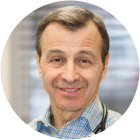
Cardiologists are physicians who specialize in treating conditions of the heart and blood vessels. These medical practitioners also promote an understanding of the risk factors for heart conditions and habits or measures one can take to improve heart health.
Cardiologists work in private practices and hospitals. They are qualified to treat conditions like heart failure, heart attacks, high blood pressure, heart valve diseases, and arrhythmia. They receive extensive education, including four years of medical school, followed by three years of residency training in internal medicine. After this, they get specialized training in cardiology for three additional years. That is ten or more years of medical training. Some also further their education by getting board-certified by the American Board of Internal Medicine.
Even after getting board-certified, these professionals continue to learn as long as they practice. They keep up with the latest developments and advances to provide the best care for their patients.
The cardiovascular system consists of an intricate network of blood vessels, the heart, and the blood that the heart pumps through these vessels. While the heart pumps blood to the body, the blood vessels help this process by delivering and returning blood to and from the heart. This network supplies blood to various body parts and consists of arteries, veins, and capillaries. Blood enters the heart through the veins and leaves through the arteries. The capillaries are tiny vessels that deliver blood from the arteries to all the body tissues.
The body consists of two blood circulatory systems, the systemic and pulmonary circulatory systems. The systemic circulatory system is the primary blood circulatory system because it delivers blood to the body's tissues, organs, and cells. On the other hand, the pulmonary circulatory system transports blood between the lungs and the heart. This is how oxygen enters and carbon dioxide exits the blood.
What does the heart consist of, and how is oxygen pumped into the blood?
The heart has four chambers—each of the two upper chambers is called an atrium, and the two lower chambers are called ventricles. A septum wall separates the ventricles and atria; valves control the blood flow between these chambers. Blood enters the heart from the right atrium or upper right chamber and then passes to the right ventricle or lower right chamber.
The blood then passes through the lungs, where it receives oxygen, and the carbon dioxide exits at the same time. The oxygen-rich blood is pumped back to the heart's left atrium or upper left chamber and then to the lower left chamber or ventricle. From here, the aorta or large artery delivers the oxygen-rich blood to the body.
Types of cardiology
There are three broad categories of cardiology - invasive, noninvasive, and interventional.
Invasive cardiology is the practice of using open surgery or minimally invasive procedures to treat issues with the heart structure. Examples of invasive cardiology include angioplasty and stenting.
With noninvasive cardiology, heart problems can be diagnosed without inserting foreign objects such as fluids, needles, and other instruments into the body. Examples of noninvasive techniques cardiologists use include echocardiography, nuclear cardiology, heart monitors, stress tests, CT scans, and cardiac electrophysiology.
Interventional cardiology is a non-surgical method where a catheter ( a tiny, flexible tool) helps repair parts of the heart structure, such as narrowed arteries and damaged or weakened blood vessels. This technique can treat peripheral, heart valve, and coronary artery disease.
Apart from these three types of cardiology, heart doctors can specialize in clinical cardiology, cardio-oncology, preventive cardiology, geriatric cardiology, and cardiac surgery.
When to see a cardiologist near you?
If your general physician feels you have a significant heart or related condition, they will refer you to a cardiologist for better care. There are many symptoms associated with heart conditions, the appearance of which would require you to visit a cardiovascular specialist. Some of these symptoms are listed below:
- Shortness of breath - This is a severe warning sign of heart problems and should be addressed immediately with a medical professional.
- Fainting spells - Low blood flow to the brain can lead to sudden loss of consciousness. Many other causes, such as panic attacks, low blood pressure, heart disease, or anemia, could lead to fainting spells. You should address this issue with your physicians, especially if you are experiencing them regularly.
- Dizziness - Dizziness and lightheadedness often signal that someone might faint. This feeling of instability can also be described as a spinning or swirling sensation focused on the head. Dizziness can be a symptom of many conditions, including heart disease or unstable blood pressure.
- Chest pain - Also called angina, it occurs when the heart doesn't receive enough oxygen. The pain can also divert to the arm, shoulder, and jaw. Although not all chest pain is angina, you must get it addressed with your doctor.
- Fluttering sensations in the heart - Heart flutters can be experienced as fast beats or palpitations, a racing heart, or erratic thumping in the chest. These sensations may relate to heart conditions or diseases and must be addressed with a cardiologist.
How are heart diseases diagnosed?
Your doctor may conduct physical exams and order tests to confirm a diagnosis of heart disease. Physicians also ask about your personal and family medical history. Heart diseases are diagnosed using many different tests. Apart from blood tests and X-rays, tests to diagnose heart conditions can include:
- Electrocardiogram (ECG or EKG)- An ECG or EKG is a simple test recording the electrical signals in the heart. From this test, it can be inferred whether the heartbeats are too fast or slow.
- Holter monitoring - Holter monitors are portable ECGs worn for a day or two to record heart activity. They can detect irregular heartbeats that are not found during regular ECG tests.
- Exercise stress tests - These tests monitor the heart while the patient exercises, such as walking on a treadmill or riding a bike. They help reveal the heart's response to physical activity and whether heart disease symptoms occur during exercise. If you can not exercise, you might be given medications.
- Cardiac catheterization - This test is conducted to check blockages in the heart arteries. A flexible tube or catheter is guided to the heart by inserting it into a blood vessel. A dye flows through the catheter into the arteries, making it visible on the X-ray images taken during the test.
Upon diagnosis, cardiologists prescribe medicine and recommend lifestyle changes such as exercise, diet, weight management, and de-stressing. They can also perform procedures such as inserting a cardiac catheter or implanting a pacemaker.
How does a cardiac arrest differ from a heart attack?
Heart attack and cardiac arrest are terminologies that people often erroneously use interchangeably.
A heart attack manifests when oxygen-rich blood is prevented from reaching the heart due to a blocked artery. If this blockage is not cleared quickly, the part of the heart that is not receiving the blood begins to die. The longer an individual goes without treatment, the greater the damage.
Heart attack symptoms can be immediate and intense or start slow with mild symptoms. However, the heart does not stop beating during a heart attack, unlike during cardiac arrest. Symptoms of heart attacks may differ in men and women.
Cardiac arrests may occur suddenly and often without warning. They are caused by irregular heartbeats (arrhythmia) caused by an electrical malfunction in the heart. This disrupts the heart's pumping action, which prevents the heart from pumping blood into the lungs, brain, and other organs. In such a condition, a person has no pulse and loses consciousness. Without treatment, death occurs within minutes.
Heart attacks can increase the risk of sudden cardiac arrests. Although the causes of these two conditions are different, they are linked because sudden cardiac arrests can ensue after a heart attack or during recovery.
Tips to keep your heart healthy
A healthy heart is vital for good health and well-being.
Here are the top strategies to keep your heart healthy.
A healthy diet helps maintain cholesterol levels and blood pressure and can lower the chances of high blood sugar and diabetes. Your daily diet should include vegetables, fruits, nuts, legumes, low-fat dairy foods, whole grains, lean meat, and fish.
Daily physical activity dramatically lowers the risk of heart disease. It controls your weight, improves blood pressure, reduces cholesterol levels, and keeps your heart healthy. If you lead an inactive or sedentary lifestyle, it's time to start doing some physical activity. Begin by doing at least 30 to 60 minutes of physical activity daily. It could include dancing, climbing stairs, doing household chores, brisk walking, and gardening. These activities can cause a gentle increase in the heart rate, which keeps the heart healthy.
- Quitting smoking and tobacco use.
Nicotine present in tobacco can damage the blood vessels and the heart. Smoking reduces blood oxygen levels, increasing heart rate and blood pressure. Quitting smoking and tobacco use is the best gift you could give to your heart, and it has multiple long-term health benefits. Heart disease risk can drop by nearly half in one year after quitting smoking and tobacco use.
Insufficient sleep can result in obesity, high blood pressure, diabetes, depression, and even heart attacks. Adults require at least seven hours of continuous sleep at night. Create a sleep time and schedule and follow it diligently. Keep the bedroom quiet and dark so it's easy to sleep at night.
Chronic stress could lead to unhealthy habits such as smoking, alcohol consumption, or overeating. These habits are harmful to the heart. To cope with stress and improve your heart health, practice healthier stress management methods, such as relaxation, meditation, and physical activity.
Obesity and being overweight, especially around the belly area, can significantly increase cardiovascular disease risks. A BMI or body mass index of about 25 and above is considered overweight or obese. It also leads to high blood pressure and cholesterol. Men and women with waist measurements of 40 inches (101.6 centimeters) or more and 35 inches (88.9 centimeters) or more, respectively, are at a higher risk of developing heart disease.
How to find top cardiologists near you in Staten Island, New York?
Are you looking for top clinical cardiologists in Staten Island, New York? If so, look no further. With Zocdoc, you can book an instant appointment with a highly qualified, top-rated cardiologist in minutes.
First, all you need to do is create a free account on the Zocdoc website. Once done, you can start looking for a cardiologist by entering details such as your symptoms, condition, or preferred specialty. Zocdoc will generate a comprehensive list based on your search criteria. You can streamline the results based on availability, insurance, visit type, gender, etc., to narrow your search results. Once you have shortlisted the providers, click on their names to learn more about them. Zocdoc has unique profiles for all its listed providers, which helps you learn about their qualifications, certifications, licensure, accreditation, and other details beforehand. Moreover, with Zocdoc's verified patient reviews, you can compare providers to choose the best cardiologist near you.
If you need help finding plastic surgeons who accept your insurance, our online patient help center is here. On Zocdoc, you can link your medical, dental, and vision insurance plans to your account. Remember, each appointment can use only one insurance plan. If you have secondary insurance, include these details in the appointment notes. Additionally, if your provider uses Zocdoc's intake forms, you can enter your secondary insurance information directly.
The best part? All appointment bookings made through Zocdoc are easy, secure, and 100% free!
Statistics on cardiovascular diseases in New York, United States
As per the 2020 data by the Centers for Disease Control and Prevention (CDC), nearly 697,000 people die of heart conditions or diseases in the United States every year. Heart diseases account for 1 in 5 deaths occurring across the United States. Coronary heart disease is the most common heart condition, killing around 382,820 people annually.
According to reports by the CDC, someone has a heart attack in the US every 40 seconds.
As per the figures by the New York State Department of Health, in 2020, cardiovascular diseases accounted for approximately 32% of deaths in New York. In 2020, around 7.3% of New York adults reported a heart attack, coronary heart disease, angina, or stroke.
The same source also mentions that around 795,000 people in the US have a stroke yearly. About 6,000 people die from stroke in New York annually. Strokes kill around 150,005 Americans yearly (1 in 19 deaths).
Sources
WebMD
Mayo Clinic[1]
Mayo Clinic[2]
CardioSmart
The Texas Heart Institute
American Heart Association
Centers for Disease Control and Prevention
New York State Department of Health
Medical News Today
Florida Medical Clinic
Cleveland Clinic