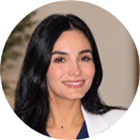
Who is a nurse practitioner?
There is a significant difference in the ratio of doctors to the population in the United States. The American Medical Association predicts a national shortage of physicians within 12 years. Nurse practitioners (NPs) are the primary care providers who can partly fill this gap, as the U. S. Labor Statistics predict an increase in the NP workforce by the end of 2022.
NPs treat patients of all ages and offer well-rounded, patient-centered care. Further, they also provide urgent care and primary care services. Nurse practitioners focus on disease treatment, prevention, management, and healthcare promotion. NPs can diagnose, order, and interpret medical tests, administer drugs, and work with other healthcare professionals to provide for patients. A nurse practitioner's range of practice might differ from state to state and, occasionally, even from hospital to hospital. In California, NPs need to practice with a qualified physician.
NPs can work in clinics, hospitals, home care, specialty offices, etc. They often work under contract for weeks or months for different clinics or organizations. Moreover, they can be the sole provider of a clinic or serve as hospital executives and medical directors. They can take up a teaching role or even an administrative one. With virtual care growing dramatically since the COVID-19 pandemic, nurse practitioners can specialize in legal consultation, medical or healthcare equipment sales, case management, psychiatric or mental health care, home management, or telephone triage.
Aspiring NPs must first become registered nurses (RNs) by gaining an Associate Degree in Nursing (ADN) or a bachelor's degree in Nursing (BSN). RNs must acquire additional education and training in a specialty area to become nurse practitioners. An NP is also known as an advanced practice nurse (APN). They have a master's degree in nursing (MSN or MS) and board certification in their specialty.
NPs must follow the rules and regulations of the Nurse Practice Act of their respective state. Nurses accredited through the national board exam receive additional credentials such as Certified Family Nurse Practitioner (CFNP) or Certified Pediatric Nurse Practitioner (CPNP).
Types of specializations in nursing
NPs can specialize in a range of areas. While some provide general medical care, others specialize in pediatrics, family care, acute care, psychiatric care, etc.
- Oncology nurse practitioners care for cancer patients by working closely with other specialists.
- Family nurse practitioners, or FNPs, diagnose and treat illnesses for the entire family. They treat children as well as adults and seniors. They develop long-term patient-FNP relationships with those they treat.
- Aesthetic nurse practitioners specialize in cosmetic medical procedures. They evaluate patients, advise them on how to improve their appearance, and perform cosmetic procedures. They also care for patients during recovery.
- Acute care nurse practitioners (ACNPs) care for those in critical care or hospital settings. They focus on short-term treatment in case of a severe injury or infection, an urgent medical condition, or during recovery from surgery.
- Orthopedic nurse practitioners focus on patients with musculoskeletal problems, including disease and injuries of the joints, bones, muscles, and supporting connective tissue.
- Pediatric nurse practitioners treat children from their infancy until adolescence. They provide immunizations, perform wellness check-ups, and help manage chronic and acute conditions.
- Women's health nurse practitioners (WHNP) specialize in diagnosing and treating illnesses and conditions in women of all ages. They are women's reproductive health experts and often work in a primary care office setting.
- Emergency nurse practitioners treat patients in emergency settings, like emergency rooms, ambulances, trauma centers, or urgent care centers. They monitor patients' conditions and provide consultation.
- Neonatal nurse practitioners care for premature babies or sick newborns. They can diagnose and treat illnesses in newborns and prescribe medication. They may also help in child delivery.
- Adult-gerontology nurse practitioners treat adults and seniors. They manage chronic conditions and diseases, besides other health conditions.
- Psychiatric mental health nurse practitioners (PMHNPs) deal with the mental healthcare of their patients. They treat people of all ages, from children to adults to seniors. They can treat different psychiatric disorders and illnesses and substance abuse disorders.
Why are NPs essential?
NPs are vital as primary care providers, especially in rural areas with a shortage of qualified physicians. They can fill the gap of primary care doctors and provide the care a physician offers. They are also in great demand in specialized medicine, which also sees a frequent shortage of qualified doctors.
NPs receive training in palliative care and pain management services in the home healthcare sector. In this role, they can help patients who are not sick enough for hospitalization but still need some medical care. Examples include patients who are recuperating after surgery or those suffering from an extended illness. In a hospital, the NP provides care for in-patients and educates them about various aspects of their health and rehabilitation. In outpatient urgent care settings, they treat patients of all types, including those with injuries and acute health issues. They are essential to the healthcare system due to their various roles – that of a healthcare provider, researcher, educator, and mentor.
Essential skills that a nurse practitioner needs to succeed
Here are five essential skills crucial for the success of every nurse practitioner:
- Effective communication: Effective communication is pivotal for nurse practitioners. Beyond clinical tasks, NPs must ensure patients feel understood and valued. It involves navigating language barriers and explaining complex medical information in accessible terms. Listening builds trust and enhances patient-provider relationships.
- Strong leadership abilities: Nurse practitioners need robust leadership skills to make critical decisions and interact compassionately with patients, families, and colleagues. The ability to make decisions confidently and delegate tasks effectively is essential. Being receptive to input from others while upholding professionalism ensures optimal patient care outcomes.
- Analytical thinking: Each patient and scenario is unique, demanding adaptive care strategies. Nurse practitioners must swiftly analyze situations and adjust care plans accordingly. Critical thinking skills are vital for promptly addressing complex medical challenges and optimizing patient outcomes.
- Resilience under pressure: The role of an NP can be demanding, requiring composure during stressful situations. Maintaining calmness under pressure allows for clear and effective communication with patients and colleagues. It's crucial to differentiate between personal and situational frustrations to provide optimal care consistently.
- Mastery of core competencies: Nurse practitioners must embody core competencies outlined by organizations, notably the National Organization of Nurse Practitioner Faculties (NONPF). These competencies span scientific foundations, leadership, quality improvement, practice inquiry, technology, policy, ethics, and independent practice. Acquiring and honing these competencies ensures NPs can deliver high-quality care and navigate the evolving healthcare landscape effectively.
To excel in their roles, nurse practitioners require a holistic skill set encompassing communication, leadership, analytical thinking, resilience, and core competencies. These skills enable NPs to provide compassionate, evidence-based care while adapting to diverse patient needs and healthcare challenges.
Difference between NPs and doctors
At first glance, NPs and doctors have the same duties. The primary difference between the two professions lies in the type of training. Becoming an NP can take six to eight years while becoming a fully licensed physician requires 10 to 14 years. Thus, NPs get to start their careers earlier than doctors.
Another difference is the scope of practice that varies with the state for NPs but not for doctors. Doctors are licensed to practice independently, irrespective of the state, and can work without supervision from another physician. Some states allow NPs to practice independently, while others make it mandatory to work with physician oversight. Also, a doctor's license is associated with greater authority, responsibilities, and privileges.
How can you prepare for a nurse practitioner appointment?
If you are going to see a nurse practitioner near you for the first time, you will be happy knowing that it will not look much different from your usual medical appointment. That said, you must be well prepared to ensure you maximize your time with the provider. Before you head for your appointment, follow these practical tips:
- Know your symptoms: The nurse practitioner will begin the discussion by asking about the reasons for your visit. Be prepared to answer common questions: What are your symptoms? When did you first notice them? Does anything make your condition better or worse? Have you tried any treatments? How are your symptoms affecting your quality of life? Honest communication will help the nurse practitioner understand your condition correctly and recommend relevant treatment options.
- Carry your medical records: If you have any chronic diseases or allergies and take medications (prescription, over-the-counter, supplements), inform the nurse practitioner. A thorough medical history review will also help you make an accurate diagnosis.
- Write down your questions. Your nurse practitioner will allow enough time to address your queries, so make sure you have everything listed. You can ask anything you want, but here are some general ideas: Do you prescribe medications? Do you offer routine check-ups and health screenings? How often should I schedule an appointment with you?
- Arrive early with your documents: You will likely need to complete the onboarding process during your first appointment. So, arrive at least 15-20 minutes early with your photo ID, insurance card, and payment method.
- Ask a loved one to join you: Feeling jittery before meeting a new provider is normal. Emotional support from a family member or friend can help immensely, so bring someone you trust. They can also contribute to the discussion and take notes for your reference.
How to find a nurse practitioner near you in Los Angeles, CA?
NPs can perform comprehensive and focused physical examinations, provide immunizations, and diagnose and treat common acute illnesses and injuries. They also help manage chronic conditions such as cardiovascular diseases, high blood pressure, diabetes, and mental discomforts like depression. They also educate and counsel patients regarding healthy lifestyle practices. NPs are in demand because they care for the person's overall well-being rather than just the symptoms.
However, finding a good NP in Los Angeles, California, can take time and effort. Fortunately, Zocdoc can quickly help you find the best nurse practitioner. Create your profile using our website. Start your search by specifying the specialty you seek or your condition. You can use filters for the location, preferred appointment date, and insurance information. Use Zocdoc's patient help center to clarify your insurance details. If you cannot locate your insurance plan on Zocdoc, you can upload a photo of your medical insurance card (unfortunately, this feature does not support vision or dental cards). We'll scan the card image to identify your likely plan. If you encounter difficulty uploading the card image, please get in touch with our Zocdoc's service team for assistance.
Based on your search entries, Zocdoc will provide you with an extensive list of nurse practitioners near you. The Zocdoc provider profiles include their education and training, hospital affiliations, accreditation, awards, licenses, areas of specialization, and years of experience. Additionally, you can look into the languages they speak and whether they treat children. Each Zocdoc provider profile has verified and regularly updated patient reviews and ratings. You can go through these to understand the NP's work ethic.
When making a reservation, click the purple video icon on the profile to select whether you prefer a virtual consultation or an in-person appointment. Depending on the doctor's availability, you can schedule an appointment during business hours, after 5 p.m., or even on the weekends.
Booking appointments on Zocdoc is safe, easy, and free!
Statistics for nurse practitioner's workforce in California
According to data published by the California Board of Registered Nursing, as of October 31, 2022, there were about 33,755 nurse practitioners in California. Of these, 30,733 were active, and only 148 were inactive.
California undoubtedly requires more primary care physicians due to the state's aging population, rise in acute and chronic illnesses, and improved access to health insurance. According to predictions by Nursingprocess.org, California could have a shortage of at least 8,000 primary care physicians by 2030. However, over the next ten years, the state anticipates experiencing an increase of almost 30.5% or nearly 1,400 new or replacement NP jobs annually.
Moreover, according to the California Health Care Foundation, NPs are more likely to offer primary care than doctors. In 2017, about 51% of California's NPs spent at least half of their time providing primary care, which is the primary responsibility of nearly 59% of the state's NPs. On the other hand, in 2015, obstetricians and gynecologists made up only about 17% of doctors in primary care specialties in California (excluding the 13% of OB-GYNs).
Further, nearly 17% of Californian clinicians working in community clinics or other types of clinics are nurse practitioners, and only 6% are doctors.
The California Future Health Workforce Commission published a strategy in February 2019 to address the state's lack of primary care and behavioral health professionals. Two of the commission's top recommendations are maximizing the function of nurse practitioners (NPs) and extending their scope of practice. California is one of 22 states that restricts NPs by requiring them to work under physician supervision, making it the only Western state to do so.
Sources
American Medical Association
United States University
KidsHealth
Nurse.org
California Board of Registered Nursing
NursingProcess.org
California Health Care Foundation
Southern New Hampshire University
WebMD
Herzing University
Houston Methodist
Pivot Healthcare Company
Phelps Health