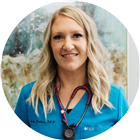
Who are nurse practitioners?
Nurse practitioners are primary care providers integral to the health care system. Also known as Advanced Registered Nurse Practitioners (ARNP) or Advanced Practice Registered Nurses (APRN), they are registered nurses who hold a graduate degree in advanced practice nursing.
Nurse practitioners have the flexibility to work in diverse settings, such as physician's offices, hospitals, clinics, and ICUs. Primarily, they focus on managing health promotion, disease prevention, and delivery of clinical services within the integrated healthcare system. They also work in specialized areas such as pediatrics, oncology, gerontology, psychiatry, and orthopedics.
What is the scope of practice of a nurse practitioner?
As healthcare professionals, nurse practitioners provide primary, acute, and specialty care services to their patients and may practice independently or associated with a physician. The National Organization of Nurse Practitioner Faculties details the area of responsibility for a nurse practitioner as follows:
- Patient examination and compiling details to establish a medical diagnosis based on family history, physical review, and other criteria
- Managing patient admissions and discharges at a healthcare facility
- Providing patient care at a healthcare facility
- Ordering and interpreting laboratory, diagnostic, and radiographic tests
- Prescribing, administering, and dispensing authorized therapeutic drugs and related devices
- Providing nutritional guidelines, home healthcare, and physical and occupational therapy
- Planning, implementing, and evaluating patient care to maintain and restore health
- Performing specific procedures such as lumbar puncture and bone marrow biopsy
- Counseling patients and educating them on disease prevention, positive health, and lifestyle choices
Visit a nurse practitioner near you if you require the above-mentioned medical services.
What is the educational qualification of a nurse practitioner?
Aspiring nurse practitioners must hold a Bachelor of Science in Nursing (BSN) degree to apply for the graduate nurse practitioner program. To practice in any state and to acquire a Registered Nurse (RN) license, individuals must pass the National Council Licensure Examination (NCLEX).
Registered nurses can pursue and achieve a Master of Science in Nursing (MSN) or decide to pursue a Doctor of Nursing Practice (DNP). Here, the candidate can select the population focus, specialty, and degree that suits their interest and gain practical skills that are a critical part of their education.
After graduation, aspirants must pass the national board certification exam specific to the population in focus. The board offers exams in the following specialty areas:
- Acute care
- Adult Health
- Family Health
- Geriatric health
- Neonatal health
- Pediatric/child health
- Psychiatric/mental health
- Women's Health
Nurse practitioners must periodically renew their certifications and state licenses by meeting specific requirements such as continuing medical education.
Different types of nurse practitioners
Based on their specialization, nurse practitioners can be of different types, including the following:
- Family nurse practitioners: They provide care to people throughout their lifetime, developing long-term relationships with them and acting as their primary care provider in most cases.
- Emergency nurse practitioners work in emergency departments and care for patients needing urgent care. Emergency nurse practitioners decide who requires immediate care and monitor patients' conditions.
- Psychiatric nurse practitioners: They provide mental health care to children, adults, and families by treating specific mental health conditions and working with people who have substance use disorders.
- Pediatric nurse practitioners: They care for children from infancy until adulthood. During this time, they conduct wellness checks, administer vaccines, and diagnose and treat both acute and chronic conditions.
- Orthopedic nurse practitioners: They provide healthcare for patients with musculoskeletal issues. These include illnesses and injuries that impact the bones, joints, muscles, and connective tissue.
- Oncology nurse practitioners: They work closely with oncologists to develop treatment plans for cancer patients and provide complete care throughout the treatment process.
- Acute care nurse practitioners work with adults in acute care settings, providing short-term healthcare to patients with severe illnesses or injuries. Acute care nurse practitioners might also provide care for patients post-surgery.
- Aesthetic nurse practitioners: They work with people undergoing cosmetic procedures, counsel them on the scope and outcome of potential surgical procedures, might help perform the procedures, and care for the patients as they recover.
- Adult-gerontology nurse practitioners care for adults of all ages and work closely with patients to manage their illnesses and chronic health conditions.
- Women's health nurse practitioners: They provide healthcare for women and indviduals who are assigned female at birth (AFAB). They work closely with patients throughout their lifetime and offer reproductive, gynecological, and obstetric services.
Nurse practitioner vs. doctor
What sets nurse practitioners apart from doctors is their scope of practice and level of autonomy, which can vary depending on the state. In specific states, nurse practitioners possess complete practice authority, enabling them to work independently as primary care providers without supervision from a doctor. However, in other states, nurse practitioners require collaboration with doctors, as they do not possess full practice authority and need physician approval for certain decisions and medication prescriptions.
The education and training paths for doctors and nurse practitioners also differ significantly. Doctors must attend medical school and obtain a postgraduate degree, like a doctor of medicine (MD), which involves extensive training that takes more time than the education required for nurse practitioners. On the other hand, nurse practitioners typically pursue advanced nursing degrees, like Master's or Doctor's degrees, focusing on patient-centered care, health promotion, and disease prevention.
What is the difference between nurse practitioners and physician assistants?
Like nurse practitioners (NPs), physician assistants (PAs) need specific experience and education before working in hospitals or clinical practices. While PAs practice medicine under the guidance and supervision of a licensed physician, they can also function as primary care providers.
The typical educational path for physician assistants includes the following:
- Earning a bachelor's degree in healthcare or a science-related field
- Completing a master's program
- Passing a 300-question, 5-hour exam to earn PA credentials
- Obtaining a license from their state medical board (requirements vary by state)
Following are some day-to-day tasks performed by physician assistants:
- Developing treatment plans for patients
- Ordering laboratory and diagnostic tests
- Performing physical examinations
- Prescribing medications
- Taking patient histories
Their roles may also involve clinical practice, patient education, team leadership, medical education, healthcare administration, and research.
In addition to primary care, physician assistants often work in various medical fields, including:
- Emergency medicine
- Family medicine
- Internal medicine
- Pediatrics
- Surgery
While both NPs and PAs can serve as primary care providers, their roles differ in several ways:
- NPs typically specialize in caring for patients of a specific age group or those with particular conditions. On the other hand, PAs often focus on a specific medical field, such as emergency medicine or internal medicine.
- Both work independently, but in most states, PAs must collaborate with or work under a physician.
- NPs follow a patient-centered nursing model of care, while PAs use a disease-centered medical model.
Can a nurse practitioner prescribe medication?
Nurse practitioners (NPs) can prescribe medications in most states and jurisdictions. The capacity of nurse practitioners to prescribe medication is an essential component of their scope of practice, allowing them to offer comprehensive care to their patients.
The prescription privileges of nurse practitioners are regulated at the state level. In some states, nurse practitioners have complete practice authority, meaning they can prescribe medications independently without physician oversight. In these states, NPs can diagnose medical conditions, order tests, and prescribe medications like doctors.
However, in certain states, nurse practitioners have restricted practice authority, which means they may need to perform under the guidance or collaboration of a licensed physician. In such cases, nurse practitioners may have limitations on the medications they can prescribe or require physician approval for specific prescriptions.
It is important to note that the rules and regulations governing the nurse practitioners' prescribing abilities can vary from state to state, so nurse practitioners must familiarize themselves with the laws and regulations in the state where they practice.
Why are nurse practitioners critical?
The American population highly values nurse practitioners because they bring a comprehensive perspective to healthcare and add a personal touch to patient care. Their empathetic and helpful approach makes patients feel at ease and in control.
Nurse practitioners partner with people from various walks of life as they strive to overcome different health challenges and work towards a healthy community. They are much more than just direct patient care providers. Nurse practitioners also participate in local, state, national, and international health policy activities.
How can you identify the best nurse practitioner near you in Tucson, AZ?
Nurse practitioners provide high-quality, cost-effective, and patient-centered healthcare. Patients under their care express incredibly high satisfaction levels and have a lower rate of emergency room visits. Finding a nurse practitioner who can provide quality care and guide you to healthy living can prove beneficial. However, a consistent challenge in the US healthcare system is finding the right provider and the wait time for an appointment. Zocdoc can help you find the best nurse practitioners in Tucson, Arizona, from the comfort of your home.
Initiate your search by entering your symptoms, location, and insurance information, and you will receive a comprehensive list of highly-rated professionals based on your criteria. To refine further, you can filter the results based on the provider's gender, languages they speak, hospital affiliations, and whether they treat children. Each listed specialist also has a detailed profile, which includes their educational background, experience, licensure information, and accomplishments.
Uploading a photo of your health insurance card will help you find your insurance plan on Zocdoc, but it is not essential. If you do not want to upload an image of your card, you can manually enter your insurance information into your account by selecting your plan from a selection. You can also visit the Zocdoc's patient help center for more queries on health insurance.
You may also access verified reviews and ratings from previous patients and make the right choice accordingly. Once you have picked a nurse practitioner near you that suits all your needs, Zocdoc will help you instantly schedule an in-person or virtual appointment at your convenience. Using the Zocdoc insurance detector, you can make sure you consult a doctor who accepts your health insurance.
All bookings on Zocdoc are easy, free, and secure!
Statistics on community health and nurse practitioners in Arizona
Arizona is one of the best states to enjoy post-retirement life, making it a popular retirement destination for senior citizens. As per the 2019 statistics published by the Arizona Department of Health Services, Arizona has 1,264,218 individuals over 65. This rapid population increase accounts for various age-related health risks and common chronic diseases such as diabetes and pulmonary and cardiac health issues. Therefore, long-term personal care, easily accessible healthcare services, and the availability of experienced nurse practitioners are critical to the population of Arizona.
The Arizona Department of Health Services disseminated the Arizona Health Status and Vital Statistics 2019, highlighting that Arizona residents made about 2.4 million visits to hospital emergency rooms for various health issues. Some significant health issues reported were chest pain, mental health disorders, acute upper respiratory infection, spinal disorders, abdominal pain, and superficial injuries.
The American Association of Nurse Practitioners says that people in the US make more than 1.06 billion visits to nurse practitioners annually.
Employment statistics provided by the US Bureau of Labor Statistics in May 2023 show approximately 280,140 nurse practitioners in the US, of which Arizona had around 6,770. This number is predicted to increase by more than 52% by 2030. Contrary to the rise of nurse practitioners, an increased shortage of physicians is expected by the year 2034 by the Association of American Medical Colleges. The projected growth of nurse practitioners can compensate for the need for physicians to meet the demanding patient care needs.
Sources
Arizona Board of Nursing[1]
Arizona Board of Nursing[2]
MedlinePlus
PubMed
American Association of Nurse Practitioners[1]
American Association of Nurse Practitioners[2]
WebMD
Arizona Department of Health Services[1]
Arizona Department of Health Services[2]
U.S. Bureau of Labor Statistics
Cleveland Clinic[1]
Cleveland Clinic[2]
Cleveland Clinic[3]
Healthline
Regis College
nurse.org
Incredible Health
Association of American Medical Colleges
UnitedHealthcare