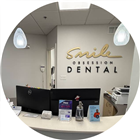
What does a dentist do?
Dentists are medical specialists who treat dental and oral health problems. They monitor how the jaws and teeth develop and grow. Additionally, they promote proper dental hygiene, which lessens the possibility of disorders in the mouth or other body parts.
Dentists are experts in tooth extraction, cracked tooth repair, whitening, fillings, and bonding. They also fill cavities, treat gum diseases like gingivitis, and place crowns and veneers. They ensure the safe administration of anesthetics and perform procedures on the mouth's soft tissues, bones, and teeth. They use cutting-edge equipment during dental surgeries, including X-ray machines, scalpels, drills, lasers, brushes, and other medical tools.
Educational qualifications of dentists
Dentists undergo rigorous education and training before becoming licensed practitioners. Those aiming to enroll in dental school must have a bachelor's degree in science or a related field and pass entrance exams for accredited dental institutions.
During the first two years of dental school, students cover essential biomedical science courses, including anatomy, biochemistry, physiology, microbiology, immunology, and pathology. The subsequent years focus on clinical practice, where they gain experience diagnosing and treating oral issues. Upon graduation, students receive a Doctor of Dental Surgery (D.D.S.) or a Doctor of Dental Medicine (D.D.M.) degree. To obtain a practicing license, they must pass national and state or regional clinical licensure exams.
Dentistry offers twelve recognized specialties, prompting many dentists to pursue further education and certification in a specific area. Maintaining their license entails meeting ongoing education standards, ensuring dentists stay informed about the latest medical advancements, and providing efficient patient care.
What are some dental specialties?
The 12 dental specialties recognized by the National Commission on Recognition of Dental Specialties and Certifying Boards are:
- Orthodontics and dentofacial orthopedics utilize braces and other dental tools to realign and straighten teeth.
- Periodontists are specialized surgeons managing and curing gum-related conditions.
- Pediatric dentists care for oral health in children and patients with special needs. Locating a qualified pediatric dentist near you can ensure your children receive quality dental treatment.
- Endodontists are dental pulp and tooth nerve experts, performing procedures like root canals.
- Prosthodontists assist patients with missing or broken teeth through bridges, crowns, and dentures.
- Oral and maxillofacial surgeons treat conditions of the oral and maxillofacial regions, often performing aesthetic operations.
- Oral and maxillofacial pathologists focus on diagnosing and researching disorders affecting salivary glands, temporomandibular joints, facial muscles, and perioral skin.
- Oral and maxillofacial radiologists interpret diagnostic imaging tests to identify conditions affecting the oral and maxillofacial regions.
- Dental public health specialists are primarily involved in research and community outreach to promote oral health awareness.
- Orofacial pain specialists specialize in identifying, managing, and treating pain conditions in the teeth, mouth, face, and neck regions.
- Oral medicine specialists manage and treat oral conditions using medications.
- Dentist anesthesiologists control pain, discomfort, and anxiety during surgical and diagnostic procedures, ensuring the patient's well-being.
What are the most common dental problems?
Dental disorders are of various types and may differ from person to person. Hence, understanding and knowing the difference between common dental problems can prove beneficial in preventing them. The following are the most common dental problems, and you should visit a dentist near you if you experience any of these:
- Tooth decay occurs when plaque and sugars mix with dietary starches, creating acid that attacks the tooth enamel. Left untreated, it may result in cavities, gum disease, and tooth loss. If our children consume a lot of sugary treats, it is advisable to consult a pediatric dentist to prevent or diagnose any dental problem.
- Bad breath, also known as halitosis, occurs due to odors from certain spices, garlic, onion, and cabbage. Poor digestion, oral diseases, infrequent brushing, smoking, and dry mouth can also cause bad breath.
- Oral cancer: This leads to abnormal cell growth on the cheeks, gums, roof of the mouth, tongue, or lips. Throat pain, mouth pain, or soreness in the mouth are common symptoms.
- Gum disease: Commonly called periodontal disease, this condition can infect the gums surrounding the teeth. Some of its symptoms include sensitive teeth, swollen, red, bleeding gums, foul breath, and discomfort when chewing.
- Tooth erosion occurs when acid attacks the enamel, resulting in tooth structure loss. Two symptoms are sensitivity and cracking.
- Mouth sores are typically only a cause for concern once they persist for more than two weeks. The three typical mouth sores are canker sores, fever blisters/cold sores, and thrush. Canker sores appear throughout the mouth. It is impossible to treat fever blister sores outside the lips. Newborns, infants, people with diabetes, cancer patients, and people who wear dentures can develop thrush.
- Tooth sensitivity: This may indicate cracked teeth. It involves discomfort and pain from sweets, ice cream, and hot and cold drinks.
A timely consultation with a good dentist near you can spot problems in the early stages. When decay has passed the first stage, dentists can treat issues with tooth extractions, fillings, and crowns. They also clean teeth to eliminate tartar, plaque, and bacteria. Furthermore, looking for lumps or irregular tissue changes helps them detect oral cancer.
Treatments and procedures undertaken by dentists
Dentists perform various treatments and procedures to address oral health issues and improve dental well-being. Some of these include:
- Dental fissure: Dental fissure sealants shield teeth against decay. While any tooth with deep grooves or fissures can benefit from this treatment, sealants are typically applied to molars and premolars rather than front teeth. A durable plastic protective sealant is applied to the cleaned tooth surface, forming a barrier that prevents food and bacteria buildup, thus minimizing the risk of decay.
- Dental treatments for restoring teeth: Dental restorative procedures involve crowns and bridges. Crowns and onlays are both permanent caps cemented onto teeth. Onlays, unlike crowns, cover only a portion of the tooth. Bridges are like crowns used to fill one or more missing teeth. They include two or more crowns for the teeth on each side of the space, with a false tooth (pontic) in the middle.
- Root canal treatment involves replacing damaged or infected tooth pulp with a filling. Damage from injury or decay can lead to pulp infection. During treatment, the dentist removes damaged pulp, cleans and shapes root canals, and then fills them. This process may take multiple appointments. After completion, the dentist will cover the tooth-biting surface with filling material or a crown to prevent breakage.
- Dentures are removable artificial teeth that replace some or all the natural teeth. A dentist can create an 'immediate' denture while keeping some of your natural teeth in place and fit it on the same day the remaining teeth are removed. However, the denture may gradually become loose as the jawbone heals and changes shape during recovery. It may be necessary to reline the immediate denture within a few months to enhance its fit. Alternatively, dentures made a few months after teeth removal allow jawbone healing, resulting in a better fit.
- Tooth-colored fillings: General dentists often perform a standard procedure called tooth-colored fillings. These fillings are made of composite resin, a blend of glass and plastic, and can repair teeth damaged by decay or injury. Composite resin is a popular option for tooth-colored fillings as it can match the color of your natural teeth. It makes the filling nearly invisible, so your smile looks natural.
What to expect at the dentist
Visiting the dentist doesn't have to be intimidating. This guide offers insights on preparing for your appointment and what typically happens during a routine visit.
Preparing for your dental appointment
Allocate enough time off work or school to avoid feeling rushed or anxious. When scheduling your visit, inquire about the duration of cleaning and exam, then add extra time for flexibility. Plan for a more extended session if it's been a while since your last appointment. An end-of-day appointment is ideal, allowing you to head straight home afterward.
Before booking, confirm if your dentist is in-network with your dental insurance to save on costs. You may need to pay a copay at the office or cover any balance after insurance payments. For those without insurance, ask in advance about the expected costs to prepare financially.
On the day of your visit, arrive early to handle any paperwork or provide completed forms if available online. This also gives the staff ample time to prepare. Prepare your driver's license and insurance card for check-in at the reception desk.
What happens during a routine visit
Once seated, a dental hygienist will cover your chest with a protective cloth and may provide eye shields. You'll notice metal and ultrasonic tools on the tray beside you, which the hygienist will use to carefully remove tartar from your teeth and gum line, working one tooth at a time. They may also floss between your teeth to ensure a thorough clean. Inform the hygienist if you experience jaw discomfort or pain during the cleaning. They can pause for breaks whenever needed.
After the initial cleaning, you'll rinse thoroughly. Using a spinning tool, the hygienist will polish your teeth with a buffing paste, often in a flavor of your choice, followed by another rinse.
X-rays are typically taken annually to detect any hidden or emerging dental issues. Once the cleaning is complete, the dentist will step in for a detailed examination. They will analyze each tooth and assess the gaps between your gums and teeth with a periodontal probe, which evaluates gum pocket depths and detects trouble regions. The hygienist may remain present to document the findings in your chart.
Which foods and beverages are bad for your teeth?
Avoiding or limiting certain foods and beverages is critical to maintaining good dental health. Sugary and soft drinks erode the teeth, and consuming them in excess can result in permanent damage. Sugar feeds mouth microorganisms, which produce acid and cause dental erosion. The most common cause of cavities is sugary foods, such as ready-to-eat breakfast cereals and grain-based sweets.
Starchy snacks like potato chips and refined carbohydrates like white bread and white rice may increase the likelihood of developing cavities. Drinking acidic fruit drinks and sucking on fruit-flavored ice cream may cause erosion and increase the risk of cavities.
Chewing ice or eating hard foods, such as hard candy, can erode tooth enamel and break or crack teeth. Grapefruit and oranges have high quantities of vitamin C, and their acid can potentially erode tooth enamel, increasing the likelihood of decay.
Can pregnancy affect dental health?
Hormone levels rise during pregnancy, which may cause gums to expand. Swollen gums can trap food, leading to gum infection or disease. Morning sickness is another hormonal problem during pregnancy. Due to severe nausea and gag reflex brought on by morning sickness, pregnant women are less likely to brush their teeth. Vomiting during pregnancy leads to a rise in stomach acid, damaging tooth enamel.
Pregnant women may have a higher prevalence of cavities and gum disease. Eating habits and other changes in behavior may also increase their risk of developing cavities. Increased carbohydrate intake during pregnancy may lead to tooth decay. Some women can develop tumors during pregnancy, most frequently in the second trimester (tissue overgrowths on the gums). They are prone to bleeding and may occur due to excess plaque.
Around 60 to 75% of pregnant women suffer from gingivitis. It is an early form of gum disease that causes gums to swell and redden due to hormonal changes during pregnancy. Gingivitis can lead to bone loss supporting teeth and gum infections if not treated.
Finding the best dentist near you in Naperville, IL
Good teeth, healthy gums, a clean tongue, and fresh breath are all signs of excellent dental hygiene. Hence, visiting a dentist can help maintain that. However, choosing a dentist who best serves your medical needs can be challenging. Furthermore, establishing a mutual understanding relationship is critical.
Zocdoc understands that you want to consider all essential aspects of your health; therefore, we connect you with the right specialists. To find a dentist, you can enter your condition, preferable location, and insurance plan on the Zocdoc website.
Are you unable to locate your health plan? Do not panic! You can use our insurance detector feature for help. To do so, go to account settings and upload a photo of your insurance card. Zocdoc will scan it and show your likely plan. You can add the information to the search bar and continue looking for in-network providers. Do you have more insurance-related questions? Our Zocdoc patient help center page will have the required answers!
In addition, you may filter them according to the language spoken, hospital affiliations, gender, and whether or not they treat children. With Zocdoc, you can quickly locate a trusted dentist near you.
Every provider on Zocdoc has a profile, including their educational qualifications, training, experience, specialties, awards, certifications, and licenses. Zocdoc also collects and updates patient reviews and ratings regularly. You can use them to find the top-rated dentist in Naperville, IL. You can directly schedule appointments with the dentist through Zocdoc.
All Zocdoc appointments are easy, free, and secure.
Dentists and dental health statistics in Naperville, Illinois
According to data compiled by the National Center for Biotechnology Information, there were around 8,564 dentists actively practicing in 2019 in Illinois. The American Cancer Society estimated approximately 2160 new pharynx and oral cavity cancer cases in Illinois in 2024 and nearly 410 deaths from both.
According to Oral Health Data 2020 collected by the Centers for Disease Control and Prevention, nearly 14.7% of Illinois adults aged 65 and above lost almost all their natural teeth due to tooth decay or gum disease. In addition, by 2020, dental decay or gum disease had caused the loss of six or more teeth in roughly 30.7% of Illinois individuals aged 65 and older. In 2020, approximately 68.4% of Illinois adults aged 18 and above visited a dentist, while about 31.6% did not.
Sources
WebMD[1]
WebMD[2]
Healthline[1]
Healthline[2]
Verywell Health[1]
Verywell Health[2]
Verywell Health[3]
Verywell Health[4]
American Cancer Society[1]
American Cancer Society[2]
American Dental Association
Cleveland Clinic[1]
Cleveland Clinic[2]
Centers for Disease Control and Prevention[1]
Centers for Disease Control and Prevention[2]
Mayo Clinic
National Center for Biotechnology Information
White Oak
Better Health Channel
Red Oak Family Dentistry
Cleveland Clinic[4]