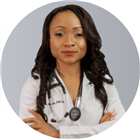
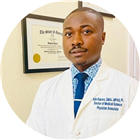
Who are dermatologists?
Dermatologists are experienced medical practitioners who understand various issues concerning the skin. Dermatological issues can have a profound impact on the health and mental well-being of an individual. Our skin is an incredible organ and the largest one in our body. It covers a total area of about 20 square feet. The skin helps to control our body temperature, protect other organs, and, most importantly, it is our body's first line of defense. Skin health is an indicator of our internal health. An expert dermatologist can offer the best care for your skin. Whether it's acne, hair loss, rashes, psoriasis, or melanoma, no one understands your skin, hair, and nails better than a skin doctor near you!
What are the conditions treated by dermatologists?
Dermatologists have extensive training that equips them with the expertise to diagnose over 3000 dermatological issues. Some common skin conditions you can see a dermatologist near you for are acne, hives, eczema, hair loss, nail fungus, psoriasis, and fungal skin infections such as viral exanthem, tinea versicolor, ringworm, etc.
Skin cancer is a major condition treated by dermatologists. There are three primary skin cancer types: basal, squamous, and melanoma. These are often due to damages caused by exposure to ultraviolet rays from the sun. Almost all skin cancers are curable when detected early.
Dermatologists often perform specialized diagnostic procedures for different skin conditions. These include:
- External application or injection of medicines
- Laser surgery and laser therapy
- Various dermatologic surgical procedures, like mole removal and skin biopsies, cryosurgery, Mohs surgery
- Cosmetic procedures, such as chemical peeling, sclerotherapy, and laser treatments
What are the education qualifications and training requirements for a dermatologist?
Dermatologists undergo extensive training, which equips them to treat several cosmetic and non-cosmetic concerns. Moreover, a board-certification dermatologist can be your best choice when receiving medical care for your skin. Throughout their training, dermatologists work in different healthcare settings to become adept at treating various skin conditions and illnesses.
To become an expert dermatologist, a student must first compete for four years of undergraduate studies focusing on a science discipline. This can be followed by preparing for medical school; students can get into accredited medical schools after passing the entrance exams. Medical school typically lasts about four years, where students learn different subjects like physiology, anatomy, and surgery. A year-long internship also follows this in a clinical setting.
After completing their internships, doctors must complete three years of residency training in dermatology. During this period, doctors work under other experienced and senior doctors and learn to diagnose and manage several dermatological conditions. After residency, doctors can also complete a fellowship in a dermatology-focused subspecialty, although this is not mandatory.
It is also imperative for dermatologists to be licensed before they can begin their practice. Dermatologists can also pass the board certification exam conducted by the American Board of Dermatology and the American Osteopathic Board of Dermatology.
What are a few specialized areas within the field of dermatology?
Dermatology encompasses several subspecialty fields, each focusing on specific aspects of skin health. Some of them are:
- Dermatopathology: Dermatopathology is a specialized field shared by dermatologists and pathologists. A dermatopathologist focuses on skin pathology. They complete a one-year fellowship of six months each in general pathology and dermatopathology. Dermatopathologists identify essential inflammatory and neoplastic skin conditions and list possible diagnoses and conclusions.
- Mohs surgery: Dermatology residents receive specialized training to perform Mohs surgery. This procedure removes skin cancers using a tissue-sparing technique. It ensures the assessment of 100% of tumor margins during surgery.
- Pediatric dermatology: Pediatric dermatology requires physicians to complete a pediatric residency and a dermatology residency. They can also opt for a post-residency fellowship. Pediatric dermatologists cover neonatal diseases and hereditary skin conditions and treat other challenges related to children.
- Cosmetic dermatology: Cosmetic dermatology involves specialized surgical fellowships. Cosmetic dermatologists are skilled in botulinum toxin, fillers, and laser surgery. Some also offer liposuction, blepharoplasty, and face lifts, focusing on minimally invasive procedures.
What entails pediatric dermatology?
Pediatric dermatology focuses on addressing the unique skin needs of children, considering their age and ability to communicate.
This field involves diagnosing and treating various skin conditions in children, such as vascular lesions, warts, and infections, while prioritizing their comfort and emotional well-being.
Pediatric dermatologists employ gentle and effective treatment approaches, involve parents in treatment decisions, and stay updated with the latest methods and treatments tailored to children's needs.
Who should visit a pediatric dentist?
From infancy to adolescence, children with various skin conditions can benefit from consulting a pediatric dermatologist.
Whether it's addressing concerns like birthmarks, warts, acne, or chronic issues such as psoriasis or eczema, a pediatric dermatologist near you can offer detailed explanations of treatment options and collaborate with you to devise the most suitable plan for your child.
What can you expect at your appointment with a pediatric dermatologist?
When you visit a pediatric dermatologist with your child for the first time, remember to bring along their medical history and insurance documents. Providing this information helps the pediatric dermatologist understand your child's health background before proceeding with any diagnoses or treatment recommendations.
The pediatric dermatologist will conduct a physical examination tailored to your child's specific skin concerns during the appointment. This examination might involve various assessments such as blood or urine tests, skin biopsies, or inquiries about your child's symptoms. Your child should wear loose-fitting and comfortable clothing to facilitate the examination process.
Following the examination, the pediatric dermatologist may recommend a course of treatment, which could include prescribing topical creams, suggesting dietary modifications, or performing a procedure to remove growths. You should schedule further appointments or procedures depending on the treatment plan.
Pediatric dermatologists cater to children's medical needs, so their offices and equipment have a kid-friendly layout. They understand that children may struggle to articulate their symptoms or comprehend their health issues fully. As such, a pediatric dermatologist near you should interact with your child respectfully and empathetically.
What is the difference between dermatologists and estheticians?
Each person's skin is distinct, needing personalized care from skincare professionals. Dermatologists and estheticians are skin specialists, so understanding their differences is vital before choosing a skin doctor near you.
Dermatologists diagnose skin conditions using medical tests, followed by treatments and performing medical procedures. Estheticians focus on skin appearance, addressing issues like unwanted hair or acne. They also provide treatments and skincare advice.
Dermatologists and estheticians have differing educational paths. Becoming a dermatologist requires 12 years of study, while estheticians can be certified in under a year. The certification program lasts 6 to 12 weeks, with around 100 hours of supervised work needed for licensing.
How to keep your skin healthy at home?
It is rightly said, "You are what you eat," as your diet significantly affects your health. Likewise, proper nutrition can boost skin health naturally. It includes foods like:
- Avocados: Packed with healthy fats, avocados contain Vitamin E, an antioxidant that helps produce collagen and protects your skin from oxidative damage, promoting slow aging.
- Walnuts: Walnuts have magnesium, ALA, omega-3 fats, and the amino acid arginine. These are essential fatty acids that your body is unable to make itself. These acids have inflammation-reducing agents.
- Sunflower seeds: Experts believe that sunflower seeds can help reduce inflammation and cholesterol levels in a person as they are rich in monounsaturated and omega-6 fats.
- Sweet potatoes: Sweet potatoes are amazing sources of beta carotene and provide over six times the DV of vitamin A. These protect your skin cells from sun exposure, preventing cell death, sunburn, and dry and wrinkled skin. Beta carotene is also found in oranges and vegetables, such as spinach and carrots.
- Broccoli: Broccoli is a superfood for the skin. It is full of vitamins and minerals, such as zinc, vitamin A, and vitamin C, essential for skin health. Broccoli also contains a specific compound called sulforaphane, which has protective agents against sun damage and cancer.
- Dark chocolate: Certain studies suggest that dark chocolate, with its high antioxidant content, can shield your skin from UV radiation and improve blood flow. To maximize benefits, always go with dark chocolate that has at least 70% cocoa and a minimum amount of added sugar.
- Green tea: Green tea is a health drink that contains powerful compounds like catechins and antioxidants, which are helpful in improving overall health, not just skin.
- Fatty fish: Fatty fish is a gold mine of omega-3 fatty acids, which are vital for keeping the skin supple, thick, and moisturized. Fatty fish also have the antioxidant vitamin E that helps reduce skin inflammation and make your skin less sensitive to UV exposure. Best sources include salmon, herring, and mackerel.
Besides, talking to an expert, like a dermatologist, is the wiser choice for more personalized advice.
How can you find the best dermatologist near you in Bellevue, WA?
Finding an experienced skin doctor near you for your skin condition is imperative. Zocdoc is here to make finding the top-rated dermatologist easy for you. To find the best dermatologists in Bellevue, Washington, visit the Zocdoc website and enter your specialty (dermatology), symptoms, location, and insurance plan to be directed to top-rated dermatologists in your area. You can also set your search filters based on gender, hospital affiliations, languages spoken, and whether or not a provider treats children.
Not able to find your insurance plan listed on Zocdoc? Don't fret. Try uploading a photo of your insurance card (this feature is only available for medical insurance cards, not dental or vision ones). After scanning the image, Zocdoc will display your likely plan. If you are having trouble uploading the photo, feel free to contact our service team. For any insurance-related queries, visit Zocdoc's patient help center.
Each doctor registered on Zocdoc has a profile with details of their education, work experience, specialties, awards, and board certifications, amongst other things. You can also read the verified patient reviews to make an informed choice and find the ideal dermatologist near you. Zocdoc also allows you to book virtual consultations and in-person visits. Moreover, you can also book appointments on weekends and after 5 pm, depending on the doctor's availability. All appointment bookings with Zocdoc are fast, free, and secure.
Skin health in the USA and Washington state
According to the Journal of the American Academy of Dermatology (JAAD), nearly 845 million Americans are affected by one type of skin disease. That is one in four people. Skin disease alone costs the U.S. healthcare system $75 billion in medical, preventative, and prescription and non-prescription drug costs.
In the case of skin cancer, a recent report by the American Academy of Dermatology Association states that approximately 9,500 people in the USA are diagnosed with skin cancer every day. Around 20% of Americans develop skin cancer sometime in their lifetime. Skin cancers account for almost 3% of pediatric cancers. Experts suggest that if detected early, it can be cured.
There are almost 39,080 dermatologists employed in the USA as of 2022. According to the U.S. Bureau of Labour Statistics, there are 220 dermatologists employed in Washington as of May 2021, and there are around 211 dermatologists in Bellevue, Washington. As of 2022, there were 2510 melanoma cases in Washington state. The incidence of melanoma in the state between 2014 and 2018 was 25.9. The death rate for the disease was 2.5 between the years 2015-2019. The incidence in women for 2014-2018 was 22, while for men, it was 31.2. The disease's death rate in women between 2015-2019 was 1.6, while for men, it was 3.5 for the same period.
Sources
American Academy of Dermatology Association[1]
American Academy of Dermatology Association[2]
American Academy of Dermatology Association[3]
Cleveland Clinic[1]
Cleveland Clinic[2]
IBISWorld
SKIN CANCER FOUNDATION
U.S. Bureau of Labor Statistics
Cancer Statistics Center
Canadian Dermatology Association
Stanford Medicine
WebMD
U.S. Dermatology Partners
Healthline