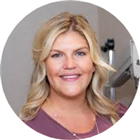
Who is an optometrist?
An optometrist is a healthcare professional who can treat certain eye diseases like glaucoma, which damages the optic nerve. They can also treat age-related macular degeneration, a condition with a breakdown in the light-sensitive tissue in the eyes. Optometrists can detect eye abnormalities by performing vision tests and eye exams. For example, they can check for cataracts that lead to vision loss by clouding the eye's lens.
Further, they can check for diabetic retinopathy in patients who have diabetes; this is damage caused by diabetes to the blood vessels in the back of the eyes. They can also prescribe eyeglasses or contact lenses to improve vision. Optometrists can diagnose and treat common vision problems such as color blindness, eye inflammation, infections, presbyopia, and double vision. They can also treat nearsightedness, farsightedness, and astigmatism.
Education and training required to become an optometrist
It is important to note that optometrists are not medical doctors. To become an optometrist, one must first earn a bachelor's degree in science or pre-med. After obtaining the degree, the Optometry Admission Test (OAT) must be cleared to enroll in a Doctor of Optometry program, which typically takes four years to complete.
Optometrists are also required to take the National Board of Examiners in Optometry (NBEO) exam and apply for a state-level licensure examination before they can start practicing. Optometrists have the option to either practice general optometry or specialize in a particular area of the field. Those who opt to specialize can take a specialty fellowship and pursue additional clinical training.
Are optometrists and ophthalmologists the same?
No, optometrists are not the same as ophthalmologists. Although both are eye care specialists, there are several differences between the two professions. For example, ophthalmologists are medical doctors, while optometrists have a Doctor of Optometry degree. Ophthalmologists study and train in a medical school like other physicians, while optometrists complete a four-year optometry program.
Because of this distinction in their education, ophthalmologists can prescribe medication and diagnose and treat any condition affecting the eyes and vision. They can also perform eye surgery. In contrast, optometrists cannot perform surgery and only treat certain eye disorders.
Why should one see an optometrist?
Your eyes are one of the most delicate organs in the body, and anything affecting your vision can directly affect your quality of life. Therefore, taking proper care of the eyes is essential. Even if you do not have eyeglasses or vision issues, routine visits will help detect eye diseases early and treat them in time.
If you have vision problems, you can check with your optometrist or primary care doctor how often you need to test your eyes. Further, if you have symptoms such as flashes of light or red, irritated eyes, or eye pain, you must make an appointment with an optometrist as soon as possible. It is also applicable if you have blurred or double vision, see circles that look like halos around lights, or see specks that float before your eyes.
It is essential to take routine eye tests if your family has eye problems or an eye disease history or wears corrective lenses. Similarly, if you have a chronic illness like diabetes, you are at greater risk of eye disease. Those taking prescription medication that affects the eyes must also check their vision for problems. Based on your eye condition, the optometrist will refer you to an ophthalmologist if you require surgery or more specialized treatment.
What are some of the different kinds of eye tests?
When you visit an optometrist, they can check your vision with the help of different eye tests. Their test will depend on your problem and the optometrist's diagnosis.
In this test, the optometrist will check how your pupils react and adjust to different amounts of light. They will watch the pupils, the white of the eyes, and the position of your eyelids.
The optometrist will ask you to follow a moving target with your eyes for this test. This can be a pen or a fingertip. They will look at your eyes' alignment.
This test determines how your eyes work together. The optometrist will check how each eye focuses on a small target at a specific distance. They will cover and uncover each eye to see how they move.
Enhancing eye health with essential nutrients
Maintaining optimal eye health involves incorporating vital nutrients into your diet. These include:
- Omega-3 fatty acids: Found abundantly in fishes like salmon and tuna, omega-3 fatty acids are crucial for proper retina function, vision development, tear production, and reducing inflammation.
- Vitamin A: Vitamin A is high in dairy products, egg yolks, kale, spinach, carrots, and liver. It is essential to sustain photoreceptors or light-sensing cells in the eyes. Its deficiency can lead to dry eyes and night blindness.
- Lutein and Zeaxanthin: Lutein and Zeaxanthin are found abundantly in green leafy vegetables, broccoli, peas, corn, tangerines, and persimmons. These compounds decrease the risk of chronic eye diseases and significantly reduce the chances of developing new cataracts.
- Zinc: Crucial in transportation of Vitamin A from the liver to the retina, zinc is found in red meat, shellfish, seeds, nuts, and oysters. Its deficiency can lead to impaired vision conditions such as cloudy cataracts and night blindness.
- Vitamin E: Protecting cells from free radicals that can break down healthy tissues, Vitamin E is present in wheat germ, nuts, and sweet potatoes, contributing to overall eye health.
- Vitamin C: Rich in strawberries, grapefruit, tomatoes, papaya, and green pepper, Vitamin C reduces the risk of visual acuity loss and macular degeneration caused due to aging. It also lowers the risk of cataracts.
Including these foods in your daily diet supports the well-being of your eyes.
How often should I visit an optometrist?
Regular eye exams are crucial for everyone, with the recommended frequency varying based on age and individual circumstances.
- Young adults: For young adults who don't wear glasses or contacts and have no eye issues, it is advisable to visit an optometrist near you once in their 20s and twice in their 30s. However, an annual visit becomes essential if glasses or contacts are worn, or if there are existing eye problems.
- Adults: For adults, it is recommended to begin regular eye exams at age 40, with subsequent follow-ups depending on individual health conditions.
- Senior citizens: Adults aged 65 and older should have eye exams every 1-2 years.
- Children: Children should undergo eye exams at birth, six months, three years, and before entering grade school. These examinations are often conducted during regular doctor or pre-school checkups.
It is important to note that individuals with health conditions or a family history of vision problems, such as glaucoma, macular degeneration, or corneal diseases, may require more frequent checkups.
How to find an optometrist near you in Lexington, Kentucky?
If untreated, conditions like glaucoma and diabetic retinopathy can cause severe vision damage and even blindness. So visiting an optometrist is crucial if you detect any symptoms. Although finding a good optometrist when you need one might be difficult, Zocdoc is here to assist you.
Sign up for the free service on Zocdoc and log in to get started. Enter your location, doctor specialty — "optometrist," and the required appointment time. Zocdoc will provide you with a list of the top optometrists in your area within minutes. You can narrow the list by selecting a particular parameter, such as gender, languages spoken, or hospital affiliation. You can choose an optometrist who accepts your insurance using our insurance finder.
Click on their profile to learn more about an optometrist's credentials, training, specializations, accreditations, honors, and board certification. To choose which optometrist best fits you, read past patients' ratings and verified reviews.
You can use Zocdoc to arrange a video consultation with an optometrist before making an in-person appointment. Look for a purple button on the profile of those who allow such online consultations. You can choose a time that works with the optometrist's schedule using the user-friendly online scheduling tool. On Zocdoc, it is easy to find optometrists open on weekends and before or after usual business hours.
Most importantly, booking appointments on Zocdoc is simple, cost-free, and secure.
Statistics on optometrists in Kentucky
According to May 2021 U.S. Bureau of Labor Statistics edition, there were about 380 optometrists in Kentucky. The Bureau estimates that there will be a nearly 10% increase in jobs for optometrists from 2021 to 2031 in the country. This would create approximately 1,700 openings each year on average over the decade.
Further, according to the National Eye Institute, by 2030, cataracts will affect about 30.8 million people in the country. This number may increase to 50 million by 2050.
More than 140,000 people in Kentucky report being blind or having significant vision problems, even with glasses, according to the Centers for Disease Control and Prevention (CDC). Moreover, individuals with poor health were more likely to have significant eye impairment (15%) than those with excellent health (4%). The prevalence was also higher—about 9%—among individuals with less than a high school diploma. The number was low among individuals with high school and higher education—around 5%.
Sources
WebMD[1]
WebMD[2]
Cleveland Clinic
U.S. Bureau of Labor Statistics[1]
U.S. Bureau of Labor Statistics[2]
National Eye Institute
Centers for Disease Control and Prevention
American Optometric Association
Healthline














-OD-710415-circle_medium__v1__.png)