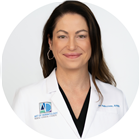
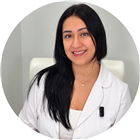
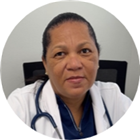
Who is a dermatologist?
Dermatologists are healthcare professionals who diagnose, treat, and help prevent conditions related to skin, hair, and nails. Dermatologists are skilled medical practitioners and skin surgeons. They are equipped with experience, skill, training, and expertise to treat cosmetic concerns best. Apart from this, they also take care of the following:
- Mucous membranes
- Delicate tissue lining the nose
- Mouth
- Eyelids
The skin is a very complex part of the human body. Did you know that without it, we would evaporate in thin air? According to National Geographic, the skin, the largest organ, covers almost 22 square feet of the adult body. Given this, it is prone to more than 3,000 diseases.
Only dermatologists can deeply understand skin issues significantly affecting people's health and well-being. In certain cases, dermatologists are the first to identify a skin condition as an indication of a serious underlying health problem. For instance, symptoms of diabetes or heart disease can sometimes appear on the skin.
Dermatologists know that skin conditions can negatively affect an individual's quality of life, even in non-life-threatening cases. Skin problems can cause low self-esteem, profound depression, decreased productivity, or restless nights. Some examples include psoriasis, hair loss that leaves scars, and eczema (atopic dermatitis).
Consequently, maintaining your health requires the expertise of a professional with the requisite education, training, and experience—all of which a dermatologist near you would possess.
What kind of education and training do dermatologists receive?
A dermatologist with board certification has extensive knowledge of your skin, hair, and nails. It takes nearly ten years of education and training to reach this level.
It usually includes a four-year bachelor's degree following four years of medical school. After this comes the one-year medical internship. Lastly, dermatology residents spend three years training under senior doctors and completing 12,000–16,000 hours of patient care.
Dermatologists seeking board certification have to pass a challenging exam. In North America, dermatologists can earn board certification from three different institutions. They are:
- The American Board of Dermatology
- The American Osteopathic Board of Dermatology
- The Royal College of Physicians and Surgeons of Canada
Additionally, dermatologists can choose to pursue fellowship training as well. It helps them get advanced education in a particular field of choice.
Specialty groups related to dermatology
There are various specialty groups within dermatology, including:
- Aesthetics
- Cutaneous lymphoma
- Dermatitis
- Genetic skin disorders
- Graft-versus-host disease
- Hair loss (alopecia)
- Hyperhidrosis
- Melanoma
- Mucous membrane disease (oral and genital)
- Psoriasis
- Skin cancer
- Pediatric dermatology
Are dermatologists and dermatopathologists the same?
Dermatologists and dermatopathologists specialize in dermatology. However, dermatopathologists also practice pathology. Disease research and diagnostics fall under this category.
As an expert in both fields, a dermatopathologist can identify issues using a microscope to examine a small piece of excised skin, hair, or nail. If your dermatologist notices concerns, they may take a tiny skin sample and send it to a dermatopathologist to confirm their suspected diagnosis. Professionals typically refer to this as a pathology report or skin biopsy. This report provides the details of the patient's disease, if any, and suggests the most effective course of action.
A skin biopsy is the only method to accurately diagnose some conditions, such as skin cancer, and determine how deeply it has spread within the skin.
When should one see a dermatologist?
Healthy lifestyle habits and routines can keep your skin, hair, and nails in good shape. However, some conditions or symptoms call for expert attention. Some of them are:
- Moles or patches on the skin with an unusual size, color, or shape
- Skin cancer
- Severe or persistent acne
- Rash
- Hive
- Scars
- Eczema
- Psoriasis
- Rosacea
- Dark spots on your face (hyperpigmentation)
- Long-lasting skin irritation
- Infections
- Warts
- Unhealthy hair loss
- Premature gray hair
- Uncommon issues with nails
- Varicose and spider veins
Furthermore, if your skin is susceptible to cancer, you should schedule an annual skin examination with the best dermatologist. During this session, they will carefully inspect your skin for any signs of skin cancer. Moreover, consult your primary care physician for advice if you need clarification on whether you require a yearly skin examination.
What procedures do dermatologists perform?
Dermatologists commonly carry out the following procedures:
- Electrosurgery: Dermatologists surgically use high-frequency electric current to cut or eliminate tissue.
- Cryosurgery: Dermatologists employ extreme cold in a surgical procedure to freeze and remove tissue.
- Laser surgery: Dermatologists perform surgery by using specialized light beams.
- Excision surgery: Dermatologists use a scalpel to cut away tissue and ensure the incision closes properly.
- Mohs surgery: Dermatologists employ a layer-by-layer technique to remove cancer cells from the skin.
- Mole removal: Dermatologists can partially or entirely remove moles from the body to examine them for cancer or other skin conditions.
- Vein treatment: Dermatologists may administer sclerotherapy or laser therapy after evaluating damaged veins.
How can you prepare for your first dermatologist appointment effectively?
To make the most of your initial visit with the best dermatologist near you, consider the following:
- List the critical concerns you wish to address during the appointment, including known allergies.
- Be sure to mention any recent changes in your overall health.
- Maintain a symptom journal, documenting events with date and time, duration, severity, triggers, symptoms, and any actions to resolve them. If possible, include clear photos.
- Familiarize yourself with your family's medical history, which can aid in an accurate diagnosis.
- Opt for loose-fitting clothing to facilitate the examination.
- Refrain from wearing makeup or nail polish, which can hinder a thorough skin or nail evaluation.
- Consider marking specific spots on your body with a washable pen as reminders for discussing them with your dermatologist.
- Please bring copies of any test results, including images and lab work, conducted by healthcare providers outside your dermatologist's network.
- Compile a list of all the products you currently use, such as prescription medications, over-the-counter drugs, vitamins, supplements, herbal products, soaps, makeup, and sunscreens. Inform your dermatologist about any past medicines that were ineffective or caused adverse reactions.
- It would help to bring a family member to the appointment. They can help by taking notes and offering additional ears and eyes during the visit. This person can help review the dermatologist's recommendations, ask questions, and remind you about scheduling tests and follow-up appointments.
- Inquire about the need for a follow-up appointment to address any additional concerns.
Questions you can ask your dermatologist
Are you going to see a dermatologist near you for your skin, hair, or nail issues? You must use the opportunity to address your concerns and get helpful, tailored recommendations. If you need help formulating questions, review the comprehensive guide below, take down relevant ones in your journal, and ask them during your next dermatology visit.
Questions you can ask during a skin consultation
- What is my skin type?
- What are the leading causes of my skin problems?
- What kind of sunscreen would you recommend for me?
- Which skin care products should I use?
- What is the ideal skincare routine for me?
- Do I qualify for injectable treatments?
- Should I change my diet in any way?
- What lifestyle modifications can improve my skin health?
- Can I try any home remedies while my treatment is ongoing?
- Would you suggest that I visit for a yearly skin cancer screening?
Questions you can ask during a hair consultation
- Why am I experiencing hair loss (or any other hair conditions)?
- What are my treatment options? Can you explain their benefits, risks, and side effects?
- Can I expect my condition to reverse with treatment?
- How long can it take to see positive results?
- Should I make any lifestyle and diet changes to help my situation?
- What should my hair care routine look like?
- Will I need to visit for routine follow-ups?
Questions you can ask during a nail consultation
- What caused my nail condition?
- What is the best treatment plan to restore my nail health?
- Should I take biotin supplements to strengthen my nails?
- Can you give good nail hygiene tips?
- What nail care products should I avoid?
- How safe are salons for manicures and pedicures?
- What are some warning signs of nail problems that I should not ignore?
Foods for healthy skin
For radiant, healthy skin, what you eat plays a crucial role. Think of your diet as a form of skincare that works from the inside out. While the effects may take time to show, your skin will eventually reflect your efforts with a radiant, healthy complexion that signifies your overall well-being.
Here are some powerhouse foods that can work wonders for your complexion:
- Water: Staying hydrated is essential to glowing skin. Water flushes out toxins and ensures your skin cells remain plump and healthy.
- Fruits and vegetables: Packed with vital vitamins, minerals, and antioxidants, fruits and veggies help shield your skin from damage. For a skin-boosting diet, load up on avocados, red grapes, broccoli, bell peppers, carrots, kiwis, leafy greens like kale and spinach, and tomatoes.
- Omega-3 fatty acids: Omega-3s are present in various foods, such as fish, flaxseeds, walnuts, and sunflower seeds. They keep skin soft, supple, and well-moisturized.
- Probiotics: Probiotics support a healthy gut, leading to clearer skin. Incorporate yogurt, kefir, and fermented foods like kimchi and sauerkraut to nourish your skin from the inside out.
- Dark chocolate (in moderation): Dark Chocolate with a high cocoa content can be a sweet treat for your skin. It's rich in antioxidants that help improve texture, hydration, and circulation.
- Green tea: Known for its anti-inflammatory and healing properties, it is a skin-loving beverage. It may protect against sun damage, reduce signs of aging, and even enhance skin texture and elasticity.
When you nourish your body with the right foods, you promote clear and glowing skin, help prevent premature aging, protect your skin against environmental damage, and support your skin's natural healing processes.
Tips for finding the best dermatologist near you in Hollywood, FL
Are you concerned about your skin condition but haven't seen a dermatologist yet? Use Zocdoc to find the best healthcare providers in Florida and Hollywood.
Register for a free Zocdoc account to book an appointment with your dermatologist. Enter your condition, treatment preferences, insurance carrier, or preferred specialist in the search bar.
To find an in-network dermatologist, select your insurance plan and carrier from the drop-down menu on the Zocdoc website. If your specific plan isn't listed, try uploading a photo of your medical insurance card. Zocdoc will scan the image and identify the best match for your insurance plan. Please note that this service only applies to medical insurance cards and does not include dental or vision plans. For additional insurance information, visit Zocdoc's patient help center.
Zocdoc lists thousands of medical practitioners who can help you find the right one. You'll see highly relevant results with the highest-rated doctors in your area at the top. You can further narrow the list based on various factors, like the number of languages the doctor speaks, the average wait time, the doctor's location, and more.
Visit each doctor's page to learn more about their training in medicine, clinical experience, qualifications, honors, or licenses. Additionally, you can go through verified reviews left by previous patients to make an informed decision. Depending on the dentist's availability, you can arrange an appointment either in person or online.
All bookings are cost-free, quick, and safe on Zocdoc, which makes it the ideal platform for finding a doctor.
Dermatology statistics in Florida and USA
As per the data published by the U.S. Bureau of Labor Statistics, there were about 440 dermatologists practicing in Florida as of May 2021. The same shows that the number of dermatologists employed per thousand jobs is around 0.05 in Florida.
AIM at Melanoma Foundation mentions that the estimated number of melanoma cases in Florida was 7,940 in 2018. In light of this, Florida had the nation's second-highest number of newly diagnosed cases of melanoma in the same year.
The American Academy of Dermatology Association anticipates 197,700 new cases of melanoma in the USA in 2022. Invasive melanoma may rank sixth in cancer diagnoses in 2022 for both men (57,180 cases) and women (42,600 cases). This data indicates a need for awareness and increased visits to dermatologists in Florida. It might take work to keep up with the demand. However, it has vast potential in the healthcare industry for upcoming experts.
Sources
AIM at Melanoma
American Academy of Dermatology Association[1]
American Academy of Dermatology Association[2]
Cleveland Clinic
Healthline
Mayo Clinic[1]
Mayo Clinic[2]
National Geographic
U.S. Bureau of Labor Statistics
Healthline
MedStar Health
BioRestore Health
Wimpole Clinic
University Park Dermatology & Medical Spa
Columbia Skin Clinic