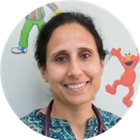
Who are nurse practitioners?
Nurse Practitioners (NPs) are healthcare professionals who share many responsibilities as primary care physicians. While NPs are not medical doctors, they have training in providing primary, acute, and specialty health care to patients of all ages. They can assess a patient's overall health, administer diagnostic tests, manage their treatment plan, and prescribe medication (in some states).
Beyond treating and ordering tests, nurse practitioners follow a comprehensive patient care approach, including preventive care and overall wellness management. Beyond patient care, compassion is also central to the nursing profession. Nurse practitioners bring a personal touch to healthcare and ensure patients feel comfortable and at ease when experiencing or recovering from an illness. This care helps to develop a solid patient-nurse relationship that often results in better health outcomes.
What are the educational qualifications of a nurse practitioner?
Nurse practitioners undergo rigorous training, which includes earning a bachelor's degree, an advanced degree, and a national certification. In addition, they train to improve clinical outcome evaluations, adhere to a code of ethics, participate in healthcare forums, and partake in research related to their field.
First, all nurse practitioners must complete a Bachelor of Science in Nursing (BSN) or Associate Degree in Nursing (ADN) so that they can apply for a Registered Nurse (RN) licensure. To become an RN, one must pass the National Council Licensure Examination. To advance in their field, nurses also pursue a Master of Science in Nursing (MSN) or Doctor of Nursing Practice (DNP) degree and pass an exam that earns them a certificate in a specialty area. Nurses specialize in adult primary care services, pediatrics, geriatrics, neonatal care, acute care, and occupational health.
Where do nurse practitioners work?
Most nurses have diverse backgrounds and are qualified to work in different areas of medicine. Therefore, you might find a nurse practitioner near you working alongside physicians, specialists, and surgeons in various settings.
Hospitals are the most common workplaces for nurse practitioners. In a hospital setting, NPs are part of a patient care team that comprises doctors and surgical technicians. NPs record patients' symptoms and medical history and prepare them for any upcoming diagnostic test or treatment. In the case of surgeries, they may also provide post-procedure care and complete routine patient rounds.
Urgent care centers are walk-in clinics in pharmacies, malls, stores, and community clinics specializing in treating minor injuries or illnesses. NPs and PAs are typically qualified to order lab tests like X-rays and deliver acute care and treatment as doctors work in urgent care facilities.
Physical Medicine and Rehabilitation (PM&R) or physiatry focuses on preventing, diagnosing, and treating disabled patients. A physiatry team included NPs, doctors, occupational therapists, social workers, and other therapists. An NP monitors a patient's physical status, ensuring quick recovery and preventing hospital readmission.
Emergency rooms are 24x7 facilities that treat injuries and diseases that require immediate attention. Emergency Nurse Practitioners (ENPs) are trained in critical care and perform emergency procedures. They collaborate with other healthcare providers and even instruct the patient's family to prevent further injury/illness and ensure patient safety.
Nursing homes have NPs that treat old patients with chronic illnesses. They also take patient vitals, administer medication, and oversee a patient's treatment plan. Most NPs work autonomously and travel to local senior facilities to provide vascular interventions and procedures for those with venous and vascular conditions.
A nurse practitioner near you might work in school health clinics alongside certified school nurses (CSN) to provide students with healthcare per the education department's guidelines. Their duties include routine health checkups, treating injuries, counseling, and educating students on STDs and sexual health. School nurses also help families access health insurance by coordinating with physicians.
Why are nurse practitioners essential?
In rural areas, nurse practitioners are essential as primary care providers. This requirement arises because there is a frequent shortage of qualified primary care physicians in rural or remote settings, and a nurse practitioner fits the bill perfectly. Nurse practitioners are also crucial in specialized medicine as this branch of medicine sees frequent shortages of qualified doctors.
Trained nurse practitioners are vital to the home healthcare sector, especially in palliative care and pain management services. Here, they could help patients who are not sick enough for hospitalization but require some medical care. Patients who are recuperating after surgery and those suffering from an extended illness could benefit from the services of an NP. In a hospital, the NP provides care for in-patients and educates them about various aspects of their health and rehabilitation.
In outpatient urgent care settings, a nurse practitioner near you will likely treat all kinds of patients, including those with injuries and acute health issues. They are invaluable to the community owing to their various responsibilities – that of healthcare providers, researchers, educators, and mentors.
What health conditions does a nurse practitioner treat?
Nurse practitioners can prevent, diagnose, treat, and help manage various acute and chronic medical conditions. If you are experiencing symptoms related to any of the below-mentioned problems, you can benefit from a consultation with a nurse practitioner near you.
- Acute illnesses including fever, body ache, sore throat, cold, cough, headaches
- Chronic or acute pain in different parts of the body
- Common allergies such as sinusitis, asthma, skin rashes
- Minor injuries, including wounds, cuts, sprains, muscle pulls, minor burns, and fractures
- Mental health problems, like persistent stress, anxiety, depression, and dependence on substance abuse, can significantly impact an individual's overall well-being.
- Digestive issues, including indigestion, food poisoning, gastroenteritis, acid reflux, diarrhea, and constipation
- Chronic diseases, like hypertension, diabetes, high cholesterol, thyroid disease, arthritis, and other such long-term health conditions, require ongoing management and treatment.
- Urinary conditions such as urinary incontinence and urinary tract infections (UTIs)
- Skin conditions such as acne, allergies, infections
- Weight issues, including malnutrition, obesity, and eating disorders
- Women's health conditions, including menopause, premenstrual syndrome (PMS), sexual dysfunction
What preventive care services does a nurse practitioner provide?
Nurse practitioners offer various preventive care services for the early detection and prevention of future problems. It includes routine checkups, physical examinations, pelvic exams, birth control counseling, and immunizations.
They conduct health screenings for sexually transmitted diseases (STDs), cancer, and chronic conditions. They may also order and analyze laboratory tests like bloodwork, urinalysis, and imaging tests, including X-rays, CT scans, and ultrasounds.
Nurse practitioners also counsel patients on healthy lifestyles and diet changes to improve or maintain health. They offer recommendations on exercising, eating habits, stress management, and techniques to quit unhealthy habits such as smoking or drinking alcohol.
What differentiates nurse practitioners from doctors?
At first look, the duties of nurse practitioners and doctors may appear the same. One prime difference between the two professions is the type of training each receives. Becoming a nurse practitioner takes six to eight years, while being a licensed physician requires 10 to 14 years. Thus, NPs get to start their careers earlier than doctors.
Another difference is the scope of practice that varies with the state for NPs but not for doctors. Doctors are licensed to practice independently, irrespective of state, without any supervision from another physician. Some states empower NPs to practice independently, but others make it mandatory to work with physician oversight. Also, a doctor's license is associated with greater authority, responsibilities, and privileges than those permissible to an NP.
Tips for choosing the right family nurse practitioner
Choosing the right nurse practitioner is essential to support the health and well-being of you and your family. Here are some tips to help you find an ideal nurse practitioner near you.
Step 1: Evaluate your health needs
Start by assessing your health needs. Consider your medical history, current health status, and long-term health goals. Understanding and evaluating your needs and requirements allows you to choose a nurse who can accommodate your preferences.
Step 2: Seek recommendations and referrals
Ask for recommendations from your social network, such as friends, family, and coworkers, or seek referrals from other primary care providers like your pediatrician or gynecologist. These referrals can provide helpful insights into the nurse's approach to care and the services they offer.
Step 3: Search online
Searching for "nurse practitioner near you" in search engines can lead you to local clinics and healthcare providers. Online directories, professional associations, and healthcare databases are other valuable resources for finding qualified nurse practitioners in your area.
Step 4: Verify credentials and experience
Reviewing credentials and experience is essential to ensure high-quality care. You can verify the nurse practitioner’s credentials through the state nursing board or other relevant regulatory bodies.
Step 5: Look for community-focused services
If you live in an underserved area, consider an NP who supports health equity and serves underprivileged communities. Nurses who offer same-day appointments, telehealth services, or home visits can be especially valuable for accessible healthcare.
Step 6: Assess communication style and bedside manner
Before finalizing your decision, schedule an appointment to learn the nurse's communication style and bedside manner. During the visit, observe how well the NP addresses your concerns and questions and whether they make you feel respected and valued. An approachable and attentive nurse practitioner can significantly impact your healthcare experience.
Find suitable nurse practitioners near you in Edison, New Jersey
While physicians and nurse practitioners can be primary providers, NPs may provide treatment differently. Unlike physicians, they don't only offer disease treatment but also focus on prevention and overall health management.
With the aid of Zocdoc, you can quickly find a qualified nurse practitioner near you in Edison, New Jersey, without leaving the comfort of your home. Booking appointments on Zocdoc is a fast, easy, and secure process. First, you must visit the Zocdoc website and enter your location, condition, and insurance plan.
You can also search for a nurse practitioner by listing your symptoms. Your search results will then display a list of top-rated nurse practitioners near you, which you can filter by distance, language, hospital affiliations, gender, and whether they treat children. Zocdoc allows users to book online consultations as well as in-person visits.
To help you make an informed decision, Zocdoc provides each provider's medical qualifications, including certifications, areas of expertise, awards, licensure, and clinical experience. You can also select your provider based on ratings and verified patient reviews. To check whether your provider accepts your insurance, i.e., whether they are in-network, enter your insurance carrier and plan in the drop-down menu at the top of the page.
When scheduling an appointment on Zocdoc, you'll typically be asked to provide your insurance details or confirm that you'll be paying out-of-pocket. Some healthcare providers require insurance information upfront to schedule the appointment. However, if you prefer not to share your insurance or plan to pay without using it, you can find another provider on Zocdoc that accommodates your preference. For more queries, you can visit the Zocdoc patient help center page.
All bookings made on Zocdoc are safe, free, and secure!
Nurse practitioner statistics for New Jersey
As of May 2021, New Jersey employed nearly 6,690 nurse practitioners and over 35,000 registered nurses (RNs), according to data published by the U.S. Bureau of Labor Statistics (BLS). The employment of nurses per 1,000 people was close to 1.74. The highest number of nurse practitioners (15,060) and registered nurses (180,540) employed in the country were in the New York-Newark-Jersey City, NY-NJ-PA metropolitan region.
Data collated by the New Jersey Collaborating Center for Nursing (NJCCN) in 2019 showed that there were 3,889 graduates from pre-licensure nursing programs in New Jersey. A survey period of 2019-2020 states that the majority of pre-licensure graduates (87%) and registered nurses (91%) were females. Most advanced practice nurses (APNs) in New Jersey (who are RNs with advanced degrees) work in a hospital setting (44%).
The NJCCN report also showed that a large percentage of NPs (29%) specialize in family care and adult or gerontological (older adult) care (27%). New Jersey has an average demand rate for NP positions compared to the national rate, with five postings per 10,000 employed persons.
Sources
Nursingprocess.org[1]
Nursingprocess.org[2]
Healthline[1]
Healthline[2]
Regis College
Centers for Disease Control and Prevention
The Heller School for Social Policy and Management
WebMD[1]
WebMD[2]
New Jersey Collaborating Center for Nursing
U.S. Bureau of Labor Statistics[1]
U.S. Bureau of Labor Statistics[2]
University of St. Augustine for Health Sciences
Nursingprocess.org[3]
Healthgrades
C3cares