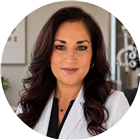
Who is an ophthalmologist?
Taking care of eye health has become very important in the 21st century. Several factors can negatively impact eye health, from lousy diet patterns to ever-increasing screen time. Having routine visits to an eye care specialist is necessary.
An ophthalmologist is a healthcare specialist who is an eye and vision care expert. People often need clarification from ophthalmologists, optometrists, and opticians. While ophthalmologists are physicians with advanced medical and surgical training, optometrists are eye care specialists who obtain a four-year degree in optometry. Opticians are vision experts who are qualified to prescribe vision care aids such as eyeglasses or contact lenses. Unlike optometrists, ophthalmologists have an in-depth understanding of oculoplastic surgery, pediatrics, neurology, etc.
Ophthalmologists undergo 11 to 12 years of training and education in providing comprehensive medical and surgical care for eye and vision disorders. In the United States, ophthalmologists must complete four years of undergraduate studies, four years of medical college, and four to five years of specialized training. The combination of a medical degree with advanced specialization in eye and vision care makes them capable of covering a more comprehensive range of eye and vision-related disorders than optometrists.
Subspecialties in ophthalmology
Ophthalmologists further subspecialize with additional fellowships to treat specific or complex conditions in certain parts of the eyes or certain types of patients. As a result, they can have 9 to 10 years of additional training after finishing their educational training. Some of these subspecialties in ophthalmology include the following:
- Cornea and external disease: These specialists focus on the diagnosis and management of conditions of the eyelids, conjunctiva, sclera, and sclera. It includes diseases like conjunctival and corneal tumors, microbial infections, corneal dystrophies, and anterior ocular manifestations of systemic diseases. These ophthalmologists can perform corneal transplants and refractive surgeries and handle corneal trauma. They can also manage complicated contact lens fittings.
- Glaucoma: Ophthalmologists in this specialty focus on treating glaucoma and other disorders that affect the optic nerve by increasing intraocular pressure. They receive the necessary training for the medical and surgical treatments of patients of all ages.
- Neuro-ophthalmology: Neuro-ophthalmologists focus on the relationship between neurologic and ophthalmic diseases. They address vision problems that involve how the eyes communicate with the brain, nerves, and muscles. These issues include eyelid abnormalities, unequal pupil size, abnormal eye movements, double vision, and various types of vision loss. Neuro-ophthalmology is typically a non-surgical field but can sometimes be combined with surgical procedures involving the eye and orbital area.
- Ophthalmic pathology: Ophthalmic pathologists receive dual training in ophthalmology and pathology. Compared to general pathologists, they are more suitable for examining tissue specimens from the adnexa and the eye.
- Pediatric ophthalmology: This specialty focuses on the medical and surgical management of various developmental and genetic abnormalities of the eye in children. Pediatric ophthalmologists also diagnose and treat eye diseases and injuries, including amblyopia, strabismus, misalignment of the eyes, and ocular manifestations of certain systemic disorders.
Disorders treated by ophthalmologists
Trachoma
Trachoma is an infectious eye disorder caused by the bacterium Chlamydia trachomatis. Though preventable, trachoma is one of the world's leading causes of blindness. The condition is easily spread through flies, shared towels and clothes, and direct personal contact. If left untreated, a person infected with trachoma can suffer from eyelid scarring. Trachoma can result in permanent damage to the cornea, further leading to irreversible blindness.
Cataracts
Cataracts are foggy layers formed in the eyes' lens. Cataracts look like grayish or white clouds on the eyes' lens, making the vision blurry and poor. Cataracts can worsen if you are addicted to smoking cigarettes, live in an area with bad air quality or excessive pollution, are alcoholic, or have a history of cataracts in your family.
Glaucoma
Optic nerve damage caused by pressure inside the eye is known as glaucoma. Glaucoma often becomes worse over time. It can occur due to a history of the disorder in the family. The condition occurs in the later stages of life. The increased pressure in the eye that damages the optic nerve is called intraocular pressure.
Diabetic retinopathy
It is an eye ailment that can cause significant vision loss and blindness in people with diabetes. The sugar levels in the blood affect many blood vessels in the retina. Continuous high blood sugar levels in the body can damage the retina.
Reasons for seeing an ophthalmologist
How frequently should I have my eyes checked? What signs indicate that I may have an eye condition that needs examination? If you have these questions, the following are some recommendations from the American Academy of Ophthalmology that highlight various reasons to visit an ophthalmologist.
Basic exam
Children's eyes grow and change quickly, so monitoring their vision is essential. You may be sent to an ophthalmologist if a complete eye exam is required. An eye examination comprises a series of assessments to evaluate an individual's vision and ability to focus on and discern objects. The fundamental tests include:
- Visual acuity examination: This involves using an eye chart or other tools to assess a patient's vision compared to the standard definition of normal vision.
- Refraction testing: This test uses specialized equipment to measure how light bends as it passes through the eye's lens.
- Pupil function examination: This assessment evaluates the pupil's shape, size, and reaction to light. A swinging flashlight test is often employed to assess the optic nerve response.
- Ocular motility testing: This test measures the strength of eye muscles, typically by instructing the patient to follow the healthcare provider's finger with their eyes.
- Visual field testing: This examines peripheral vision by asking the patient to count the fingers held outside their central field of vision.
- Slit lamp testing: This test uses a table-mounted microscope, allowing the healthcare provider to view the interior of the eye as a small beam of light passes through the pupil.
Adults with healthy eyes and good vision should undergo four comprehensive eye exams — one in their 20s, two in their 30s, and one in their 40s. These tests allow ophthalmologists to detect eye diseases and vision problems early. Early treatment of eye problems can save your vision.
People at high risk for eye disease may need more frequent eye exams. Those with high blood pressure, diabetes, or a family history of eye issues may fall into this category. You should undergo an eye exam every 1-2 years after age 65. Those who wear contact lenses, regardless of age, should get an extensive eye exam once a year.
You have an eye problem
See an ophthalmologist immediately if you have any of the following symptoms: eye pain, eye injuries or infections, changes in vision, such as blurring or double vision, increased floaters and flashes, or sudden vision loss.
Treatments offered by an ophthalmologist near you
Ophthalmology treatments encompass many medications, including eye drops, injections, and oral drugs. These medications vary from over-the-counter remedies and supplements to prescription-only drugs administered by healthcare professionals.
In addition to pharmaceutical interventions, ophthalmologists can prescribe corrective lenses, such as bifocal, multifocal, progressive eyeglasses, and contact lenses.
Distinguishing themselves from optometrists, ophthalmologists perform advanced medical procedures and surgeries. Some commonly performed procedures include:
- Cataract surgery: This involves replacing a cloudy lens with an artificial one. This surgery ensures the restoration of clear vision.
- Corneal transplant: The process involves substituting diseased corneal tissue with healthy tissue from an organ donor.
- Enucleation and eye prosthesis: In eye disease or damage cases, surgeons remove the affected eye and insert an artificial, non-functioning eye.
- Glaucoma surgery uses lasers or standard surgical tools to enhance fluid outflow from the iris or remove a portion of the iris to manage glaucoma.
- Oculoplastic surgery involves various surgical procedures involving eyelids, tear ducts, and the face.
- Refractive surgery: Procedures like LASIK correct errors of refraction, reducing or eliminating the dependence on corrective lenses.
- Repair of corneal or eyelid lacerations: Ophthalmologists also perform surgical interventions to mend corneal or eyelid injuries caused by cuts and tears.
Finding the best ophthalmologists in Tampa
Booking an appointment with an ophthalmologist near you can be a long process, especially if you don't have many options. At Zocdoc, we help you find the best healthcare professionals with just a few easy steps. Type in your symptoms and location, for example, "eye pain" and "Tampa," and you will be directed to the best ophthalmologists in your area.
Choosing a practitioner is also simple. All practitioners listed on Zocdoc have a detailed profile to which you have access. You can easily view any practitioner's education, experience, expertise, location, awards, affiliations, and languages through their profiles. Make informed decisions with the help of verified patient reviews. Zocdoc can help you schedule both in-person and virtual appointments. You can narrow down video booking alternatives by looking for the purple video icon on a specialist's profile. Moreover, you can also select practitioners based on the insurance they accept.
To get filtered results on providers within your insurance network, you can update your Zocdoc account's insurance information or choose your plan from the search filters. Accordingly, smartphone users can directly upload a picture of their health plan card on the Zocdoc app. After that, you will automatically get a list of ophthalmologists near you that accept your insurance. Check out Zocdoc's patient help center for more insurance-related FAQs.
All bookings on Zocdoc are fast, secure, and free.
Vision health and diabetes in the US
About 8.3% of Americans are affected by diabetic eye diseases. According to a 2016–2017 Centers for Disease Control and Prevention (CDC) report, about 9% of adults aged 45+ are diagnosed with diabetes. About 8.6% had diabetic retinopathy, of which 4.1% suffered from vision loss.
Based on another study by the CDC, approximately 32.3% of diabetic adults (aged 45 and above) suffered from cataracts, and 7.1% had glaucoma. In addition, about 4.3% suffered from vision loss due to macular degeneration.
Eye disorders that stem from diabetes affect more than 7% of the population in the Tampa Bay area. In Florida state, over 480,000 people report blindness or severe eye problems even with the use of glasses, according to the CDC.
Sources
American Academy of Ophthalmology[1]
American College of Surgeons
Centers for Disease Control and Prevention
The Macula Center
Cleveland Clinic
WebMD[1]
WebMD[2]
Verwellhealth
American Academy of Ophthalmology[2]
Cincinnati College of Medicine
American Academy of Ophthalmology[3]