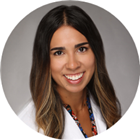
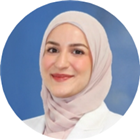
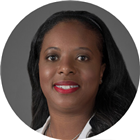
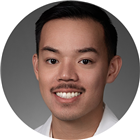
Who is a nurse practitioner (NP)?
Per the American Association of Nurse Practitioners, NPs train and attain a license to focus on managing and promoting patients' overall health, treating illnesses and injuries, and extending support in surgeries and the prevention of diseases. NPs are integral to the medical industry, providing comprehensive patient care.
What does a nurse practitioner do?
NPs operate in various settings, such as hospitals, emergency rooms, surgical clinics, managed care facilities, and private practice settings. NPs are responsible for treating various health conditions and specialize in fields such as pediatrics, gerontology, psychiatric disorders, women's health, etc. They perform a combination of tasks and duties, such as:
- Updating patient medical records
- Diagnosing symptoms of various conditions and devising treatment plans
- Evaluating results of diagnostic tests
- Administering prescribed and over-the-counter medicines
- Supervising nurses and other staff in different medical settings
- Collaborating with healthcare professionals to create treatment regimens
- Providing information to patients and their families about medical conditions
What are the work settings for nurse practitioners?
Nurse practitioners work in different healthcare settings, depending on their expertise. These skilled professionals play essential roles in different environments, including:
- Private clinics and hospitals – Nurse practitioners collaborate with physicians, surgeons, and other healthcare professionals in specialties such as dermatology, cardiology, pediatrics, gynecology, and family medicine.
- Emergency rooms and urgent care centers - These professionals are known for their ability to work efficiently in high-pressure environments. They provide quick and effective care for patients with acute injuries and illnesses.
- Schools - School nurses or nurse practitioners conduct routine health screenings, follow Department of Education protocols, and educate students on topics like STD prevention and sports-related injuries.
- Nursing homes – They oversee the care of elderly residents, monitoring vital signs, administering medications, and managing treatment plans. Additionally, they assist with vascular interventions and provide hospice care for terminally ill patients.
The education and training of a nurse practitioner
Aspiring nurse practitioners in the US must first become registered nurses (RN). For this, they must enroll in a program leading to an Associate's (ADN) or Bachelor's degree in Nursing (BSN). Aspiring nurses may then complete their Bachelor of Nursing Science degree if they still need to get one. Nurses with an ADN degree can enroll in expedited RN-BSN programs, several of which are available online. Some nurses skip gaining nursing experience and immediately enroll in a graduate program.
Registered nurses with a bachelor's degree can become nurse practitioners by obtaining a master's degree. Several institutions offer the highest level of nursing education through programs leading to the Doctor of Nursing Practice (DNP) qualification. They have to go through clinical rotations to gain hands-on experience in medical settings where they provide primary care under the supervision of experienced physicians.
Nursing candidates must research the prerequisites to become an NP in the state where they intend to work because each state has its own standards for NP licensure. NPs must take the National Licensing Exam (NCLEX-RN) before practicing medicine. Certification is also necessary for NPs after completing their educational programs. The American Academy of Nurse Practitioners and the American Nurses Credentialing Center are the two most widely known organizations for certification.
Different types of nurse practitioners
Some NP specialties include the following:
- Psychiatric nurse practitioners
Psychiatric nurse practitioners provide comprehensive mental health care to adults, children, and families. They treat individuals with specific mental health disorders, conditions, and substance use disorders.
- Emergency nurse practitioners
Emergency nurse practitioners provide care to people who need it urgently. Emergency departments assess individuals to determine the urgency of care required. They are responsible for making treatment decisions and overseeing patients' conditions.
- Adult-gerontology nurse practitioners
Adult-gerontology nurse practitioners provide healthcare for adults of all ages. They help people manage their diseases and chronic health conditions.
- Neonatal nurse practitioners
Neonatal nurse practitioners care for sick or premature babies. They can identify diseases and offer treatment. In certain situations, they might even help with childbirth.
- Women's health nurse practitioners
A women's health nurse practitioner provides care for women and individuals assigned female at birth (AFAB) throughout their lifetime. The care they offer may encompass reproductive, gynecological, or obstetric services.
- Orthopedic nurse practitioners
An orthopedic nurse practitioner provides healthcare for individuals with musculoskeletal issues, including diseases and injuries involving muscles, bones, joints, and connective tissue.
- Aesthetic nurse practitioners
An aesthetic nurse practitioner provides care to individuals undergoing cosmetic procedures. They assess patients, provide counseling on potential surgical procedures, perform cosmetic procedures, and assist in postoperative care.
- Oncology nurse practitioner
An oncology nurse practitioner provides all-around care to individuals with cancer, collaborating with oncologists and other healthcare professionals to create treatment plans and oversee patient care.
- Acute care nurse practitioners
Acute care nurse practitioners provide healthcare to adults in acute care settings. This means they offer short-term medical treatment for patients with severe injuries or illnesses. They may also provide care after you've experienced trauma or surgery.
Nurse practitioners vs. registered nurses
Registered nurses and nurse practitioners both attend to patient monitoring and care. The most significant distinction between the two professions is that NPs are authorized to carry out tasks typically performed by doctors, such as prescribing treatments, ordering tests, and diagnosing patients. In contrast, registered nurses (RNs) cannot perform these duties.
RNs typically work under a physician who decides the diagnoses, patient care, and follow-up procedures. Thus, nurse practitioners have greater autonomy and responsibility because of their higher education, training, and experience than registered nurses. In some states like Massachusetts, nurse practitioners can even practice without the supervision of a physician. They can work independently, prescribe medication, and order diagnostic tests, thus providing primary care.
Nurse practitioner specialties
Nurse practitioners can specialize in various fields. Some of the specialty practice areas in which nurse practitioners can get certified are:
- Acute care
- Adult Health
- College Health
- Community Health
- Family Health
- Holistic care
- Obstetrics/Gynecology
- Oncology
- Pediatrics
- Palliative Care
- Psychiatry
- Women's Health
Based on their chosen specialty, NPs care for a dedicated section/age group/gender of people, such as adults, families, children, and women.
Do nurse practitioners have the same authority as doctors?
Both nurse practitioners (NP) and medical doctors (MD) diagnose, treat, and prescribe medications to patients. They can work independently without a physician in most states but are restricted to do so in a few states. Hence, their authority differs from state to state due to the regulations.
Moreover, medical doctors undergo intensive training and must complete a residency. On the other hand, nurse practitioners only have to complete a practicum. Their respective education is also different.
As a result, doctors have higher authority over patients' illnesses and injuries in all states. The authority of a nurse practitioner includes the following three levels:
- Full – In most states, nurse practitioners have full authority over prescribing, diagnosing, and treating patients. They can own independent practices and do not need physician oversight.
- Reduced – In a few states, nurse practitioners can diagnose and treat patients but do not have the authority to prescribe medications. They need a physician's oversight to do so.
- Restricted – Finally, some states do not allow nurse practitioners to diagnose, treat, or prescribe medications to patients. They must work under a physician to perform their duties in such cases.
Nurse practitioners have full authority in the District of Columbia and over 20 other states.
Moreover, the demand for nurse practitioners has consistently grown in the United States. They help fill the gap and play the role of a physician in areas with limited access to primary care.
A nurse practitioner has the knowledge and expertise to diagnose acute and chronic conditions.
They are similar to a medical doctor and can even give referrals to specialists for better care. You can see a nurse practitioner near you if you want an affordable diagnosis and treatment for your condition.
Here are some essential tips for maintaining good health
A healthy lifestyle can improve your well-being. Here are some key healthcare tips to help you stay fit:
- Regular exercise – Engage in a minimum of 30 minutes of physical activity daily, such as running, yoga, dancing, or sports, to maintain a healthy weight and enhance fitness.
- Balanced diet – Consume whole grains, vegetables, fruits, and lean proteins while avoiding excessive sugar and processed foods.
- Avoid smoking & limit alcohol intake – Quitting smoking and moderating alcohol consumption can greatly reduce the risk of cancer, heart disease, and various other health conditions.
- Routine check-ups and vaccinations – Stay current with vaccinations and schedule regular health screenings to detect and manage potential health concerns early. A nurse practitioner can provide both preventive care and treatment.
- Sun protection – Use sunscreen with SPF 15 or higher and wear sunglasses with at least 99% UV protection to protect against harmful rays and reduce the risk of skin cancer.
- Mental well-being – Prioritize emotional health and seek professional support if you experience ongoing sadness, anxiety, or emotional distress.
- Good hygiene - Good hygiene practices include washing hands frequently, covering the mouth/nose when coughing/sneezing, and avoiding close contact with those who are sick to prevent infections.
- Road safety - To reduce accident risk, minimize distractions while driving, wear seat belts, and follow traffic rules.
These are general health recommendations. For personalized advice, consult a healthcare professional.
How can you find the right nurse practitioner near you in Houston, Texas?
Many Americans are choosing nurse practitioners for many of their healthcare requirements. NPs provide many services for acute and chronic conditions and are critical to the modern healthcare system. Finding the right nurse practitioner who matches your needs is vital.
Zocdoc makes it simple to find the top-rated nurse practitioners in your city. You can search for an NP based on the particular health concern or procedure you want treatment for. Our algorithm will provide you with a list of the best nurse practitioners in your area.
Zocdoc also has advanced filters to narrow your search, such as location, date, time of appointment, gender of the NP, availability, distance from your area, languages spoken by the healthcare professional, etc. Moreover, Zocdoc has a great feature that lets you find doctors who accept your insurance so that you can cover your payment with it.
If you can't find your insurance plan on Zocdoc, you can try uploading a photo of your medical insurance card. We will scan the image and display your likely plan. If you have trouble uploading the card image, please contact our service team. If you have additional insurance-related queries, you can visit Zocdoc's insurance page. All these factors ensure you find a professional nurse practitioner near you that fits your comfort and needs.
If you cannot make an in-person visit, you can book an online appointment facilitated via a video call with the healthcare professional. You can also find all the details about the practitioners listed on this platform, such as their education and training, experience, certifications, licenses, clinical interests, etc. You can review the verified patient reviews of these healthcare experts to help you choose the right professional.
Moreover, Booking appointments on Zocdoc is easy, quick, and completely free!
Nurse practitioner statistics in Texas, US
Per the American Association of Nurse Practitioners (AANP) figures issued in April 2022, the number of licensed nurse practitioners in the United States has increased to more than 355,000, an increase of 9% from the estimated 325,000 licensed NPs reported in May 2021. The U.S. Bureau of Labor Statistics states that the role of NPs will grow by 36% by 2026.
According to O*Net Online, there were about 14,820 nurse practitioners in Texas in 2020. This number could increase by 66% to about 24,600 by 2030. There are about 3,520 nurse practitioners in Houston. The demand for NPs in Houston is on the rise.
Sources
Point Loma Nazarene University
Gwynedd Mercy University
Learn.org
American Association of Nurse Practitioners
O*Net Online
U.S. Bureau of Labor Statistics
Simmons University
University of St. Augustine for Health Sciences
Cleveland Clinic
NursingProcess.org
UCSF HEALTH