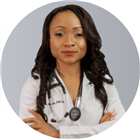
Who is an OB-GYN?
OB-GYN refers to a physician specializing in the health and well-being of women and their infants during pregnancy and childbirth (obstetrics) and the health of women's reproductive organs (gynecology). They treat and help manage issues related to menstruation, birth control, pregnancy, lactation, breastfeeding, urinary tract disorders, and menopause and screen for breast and cervix cancer. OB-GYNs help manage a woman's health issues right from puberty till the very end, and often, they are the primary care physicians for many women.
Many OB-GYNs practice between the hospital unit and the clinic. In the hospital, OB-GYNs can oversee childbirth, perform surgery on patients, and provide consultation for hospitalized patients. In the clinic, they can see patients for wellness health care exams, pelvic dysfunction disorders, infertility treatment, pelvic pain, sexually transmitted infections, etc. They also perform minor medical procedures in the clinic. These include:
- Inserting and removing intrauterine contraceptive devices
- Insertion and removal of pessaries
- Pap smears
- Ultrasound health examinations
- Breast exams
- Biopsy sampling
OB-GYNs provide advice and care from before pregnancy to after childbirth to those planning to start a family and expectant mothers. They ensure the proper growth and health of the baby, oversee the mother's health, monitor laboratory testing, and help plan for childbirth. They also provide reproductive health care through procedures including:
- Treatment of menstrual dysfunctions
- Prescribing different birth control options
- Diagnosing and providing care for urinary dysfunctions
- Managing pelvic floor disorders
- Providing pap test screenings for cervical cancer
- Caring for ovarian disorders
Education and training to become an OB-GYN
To become an OB-GYN, one must first graduate from a college and then complete a four-year course to get a Doctor of Osteopathic Medicine (D.O.) or a Doctor of Medicine (M.D.) degree. After this, they must complete a four-year residency. After completing residency, doctors can opt for a fellowship. Most fellowships for an OB-GYN are less than three years, after which they can be board-certified.
What are the various OB-GYN subspecialties?
The American Board of Obstetrics and Gynecology (ABOG) recognizes several subspecialties in obstetrics and gynecology and administers certification exams for each. Obstetricians and gynecologists can be certified in one or more of these subspecialties. Additionally, OB-GYNs may pursue opportunities in other specialties not recognized by ABOG.
Boarded subspecialties
- Gynecologic oncology: Training focuses on managing and treating cancers of the reproductive system through surgery, chemotherapy, and palliative care.
- Female pelvic medicine & reconstructive surgery: Specializes in treating genitourinary system disorders using surgical procedures, cystoscopy, and urodynamics.
- Reproductive endocrinology and infertility: Involves treating hormonal and infertility issues with techniques such as laparoscopic surgery and in vitro fertilization.
- Maternal-fetal medicine: Focuses on managing routine and high-risk obstetrical cases, employing obstetric ultrasonography and other fetal procedures.
- Critical care medicine: Provides expertise in diagnosing, treating, and supporting critically ill and injured patients.
- Complex family planning: Focuses on providing abortion as well as contraception care for patients with complex medical conditions and emphasizes leadership in clinical care, research, and education.
- Hospice and palliative medicine: Specializes in preventing and relieving suffering for patients with life-limiting illnesses in an interdisciplinary setting.
Non-boarded subspecialties
- Pediatric and adolescent gynecology: Specializes in treating common and complex health issues in pediatric and adolescent patients.
- Menopausal and geriatric gynecology: Focuses on managing common and complex health issues in menopausal and geriatric populations.
- Minimally invasive gynecologic surgery: Offers training in endoscopic surgery, including operative laparoscopy, operative hysteroscopy, and robotic surgery.
What kind of surgeries can an OB-GYN near you perform?
The most frequent surgery performed by an OB-GYN includes the cesarean section (c-section), which becomes necessary for various complications that can arise in the final stages of pregnancy, such as:
- Improper position of the fetus
- Twin or triplet pregnancies
- Fetal congenital disability
- Placenta previa
- Fetal distress
- Infections such as herpes or HIV
- Labor that does not progress properly, meaning it is too slow or taking too long
- Unusually heavy fetus
Other common surgeries that OB-GYNs perform are:
- Pelvic support surgery: Usually done to correct organ prolapse
- Endometrial ablation: Removal of the endometrial cavity lining, often done to correct heavy periods
- Salpingectomy: Removal of fallopian tubes
- Hysterectomy: Removal of the uterus
- Oophorectomy: Removal of ovaries
- Myomectomy: Removal of fibroids or benign leiomyoma tumors
What is a pelvic exam?
A pelvic exam involves an examination of the female reproductive and sexual organs by a gynecologist or OB-GYN near you. This procedure includes checking the vulva, vagina, cervix, uterus, ovaries, fallopian tubes, bladder, and rectum for signs of infection and illness.
During the exam, the doctor will first ask if you need to use the bathroom to ensure comfort. You will then change into a gown, lie on the exam table, and cover up with a sheet. The doctor will apply pressure on your lower abdomen to feel for the organs. Next, you will place your feet on footrests and bend your knees.
The doctor will examine the vulva for infections, swelling, and sores. A lubricated speculum is then inserted into the vagina to widen it, allowing better visibility of the internal organs. The OB-GYN may perform a Pap smear to collect cells from the cervix for cancer screening, and the doctor may sample the vaginal discharge to check for infections. They will remove the speculum and conduct a bimanual exam, where the doctor places two fingers inside the vagina and presses on the pelvis to detect abnormalities. They may also perform a rectal exam.
After the exam, the OB-GYN will discuss any findings and answer any questions you may have. If the doctor performed a Pap smear, they will inform you of the results and whether further testing is needed.
Preparing for an appointment with an OB-GYN
Whether your appointment with an OB-GYN near you is prompted by medical concerns or routine checkups, following these guidelines can ensure a hassle-free experience.
- Timing matters: Choosing an appointment outside your menstrual cycle is advisable, especially if you are undergoing a pap test. However, during heavy or irregular periods, contact your specialist for guidance.
- Grooming considerations: Delay hair removal activities as they can cause swelling and inflammation, potentially complicating pelvic examinations. Remember, your OB-GYN doesn't judge based on hair presence.
- Natural balance: Changes in vaginal discharge provide essential hormonal balance information. Modifying these before the appointment, like douching, might mask vital signs that your OB-GYN needs to evaluate.
- Intimate activities: For accurate test outcomes and comfortable pelvic examinations, abstain from intercourse and lubricants until after the appointment.
- Track your cycle: Your OB-GYN will ask questions about your cycle. A physical planner, a notes app, or a tracking application can ensure accurate information.
- Bring records: Carry your medical history: Previous records, including test results, can streamline discussions about your medical background.
- Prepare questions: Having a list of questions prevents you from overlooking concerns you want to address. Openly discussing issues, no matter how uncomfortable, is vital for your doctor's insight and alleviation of worries.
By following these suggestions, you can make the most of your OB-GYN visit and ensure effective communication for better health outcomes.
What is Asherman’s syndrome, and how can an OB-GYN near you diagnose it?
Asherman’s syndrome is a condition where scar tissue (also called adhesions) forms inside the uterus, reducing its space. This can cause symptoms like pelvic pain, irregular or absent periods, and fertility problems. The good news is that it can be treated, and treatment often helps relieve symptoms.
This condition develops due to certain events, such as surgeries, infections, or cancer treatments. Your risk increases if you’ve had uterine surgery (like a hysteroscopy, a complicated D&C, or a C-section), a history of pelvic infections, or treatments like radiation therapy.
Symptoms of Asherman’s syndrome can include:
- Light periods (hypomenorrhea)
- No periods (amenorrhea) or irregular bleeding
- Severe pelvic pain or cramping
- Difficulty getting pregnant or staying pregnant
However, some people don't experience symptoms and may still have regular periods. If you notice any unusual changes in your menstrual cycle or pelvic discomfort, it’s important to see your doctor.
An OB-GYN can diagnose Asherman’s syndrome if you have symptoms like pelvic pain, missed periods, abnormal bleeding, or trouble conceiving. Your medical history is key to the diagnosis, especially if you’ve had a D&C, C-section, pelvic infections, or radiation therapy.
During your appointment, your doctor will review your medical history and perform a physical exam. They may also perform a sonohysterogram, a specialized imaging test, to check for scar tissue in the uterus.
In many cases, Asherman's syndrome can't be avoided because the procedure is necessary. That's why it's essential to discuss all potential risks with your OB-GYN before undergoing any procedure whenever possible. Afterward, your provider may schedule follow-up visits to check for scar tissue and monitor for signs of Asherman's syndrome.
Preference for female OB-GYNs: A personal choice
It's essential to recognize that many women consult with female OB-GYNs due to personal comfort and preferences.
A crucial factor is patients' ease while discussing sensitive reproductive health topics. Many individuals, particularly those seeking gynecological care, feel more at ease communicating openly with a healthcare provider of the same gender.
Healthcare institutions and professionals understand the significance of accommodating patients' preferences. This choice involves ensuring both male and female gynecologists are available for consultations, empowering patients to select based on their comfort and requirements.
Zocdoc embraces this principle as well!
Finding the best OB-GYNs in Arlington, Massachusetts
Visiting an OB-GYN near you is critical to your health and well-being. Depending on your condition and the diseases you are prone to, your OB-GYN may recommend screenings, healthcare regimens, or lifestyle adjustments. Finding a qualified, experienced, and knowledgeable OB-GYN can be a hassle. This is why Zocdoc is here to help you!
To find the best-rated OB-GYNs in Arlington, Massachusetts, visit the Zocdoc website and mention the doctor you want to consult (OB-GYN), your preferred location and time, and your insurance details. Zocdoc will then direct you to a list of the top-qualified OB-GYNs in your vicinity. You can refine your search outcomes by specifying gender, indicating hospital associations, and noting spoken languages. Zocdoc's insurance detector can make things easy if you need clarification about your insurance plan.
If you need help finding OB-GYNs who accept your insurance, our online patient help center can assist you. On Zocdoc, you can link your medical, dental, and vision insurance plans to your account. Please note that each appointment can only use one insurance plan.
If you have multiple insurance plans, you can include your secondary insurance details in the appointment notes. Additionally, if your provider uses Zocdoc's Intake forms, you can quickly enter your secondary insurance information.
All doctors listed on Zocdoc have their dedicated profiles. Here, you can read about their education, expertise, experience, practice name, and board certifications, among other information. You can pursue authenticated patient feedback and evaluations, aiding you in making a well-informed choice.
With Zocdoc, you can even book online consultations and in-person visits. Just look for the purple video icon on the doctor's profile. Depending on the doctor's availability, you can also book appointments on weekends and after 5 pm. When booking an appointment on Zocdoc, you must enter your insurance details or confirm that you're paying out of pocket. Some providers require insurance information to schedule an appointment. If you don't have insurance or prefer not to use it, you can look for a different provider on Zocdoc.
Booking appointments with OB-GYNs near you on Zocdoc is fast, free, and secure!
Statistics related to OB-GYNs and women's health in Arlington, Massachusetts
As per the Centers for Disease Control and Prevention, ovarian cancer results in more annual fatalities than any other gynecologic cancer in the United States. In 2021, the CDC reported 20,032 new cases of ovarian cancer among women, and 13,214 women died of the disease in 2022. The CDC also reported ten new ovarian cancer cases and six deaths for every 100,000 women in the country.
In Massachusetts, the incidence rate of ovarian cancer was 8.9 per 100,000 women. The female breast cancer rate was much higher – around 140.3 per 100,000 women.
According to a report by the U.S. Bureau of Labor Statistics, as of May 2023, there were around 740 OB-GYNs in Massachusetts. The location quotient for the state, the number of OB-GYNs in Massachusetts versus the total number in the country, was 1.55, higher than the national average.
Sources
American College of Obstetricians and Gynecologists[1]
American College of Obstetricians and Gynecologists[2]
American College of Obstetricians and Gynecologists[3]
University of Medicine and Health Sciences
U.S. Bureau of Labor Statistics
National Center for Biotechnology Information[1]
Centers for Disease Control and Prevention
Health Central
National Center for Biotechnology Information[2]
Medical News Today
Cleveland Clinic



















-Szerlag-APRN-FNP-BC-811275-circle_medium__v2__.png)