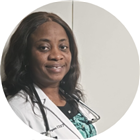
Who are OB-GYNs?
Obstetricians-gynecologists, or OB-GYNs, diagnose and treat disorders related to female reproductive health, pregnancy, and childbirth. They also provide routine medical services and preventive screenings, such as pelvic exams, STI testing, and pap smears. Additionally, OB-GYNs can answer several questions about women's sexual health, pregnancy, and other topics. They can also perform cesarean sections, hysterectomies, and surgeries to remove growths such as fibroids and ovarian cysts.
What are the educational qualifications required to become an OB-GYN?
To become an OB-GYN, one must undergo extensive medical education and hands-on clinical training. The journey begins with a four-year medical school program, where the first two years focus on subjects like anatomy and physiology. The final two years involve practical training, where students gain experience working alongside doctors in hospitals and clinics.
After earning a medical degree, aspiring OB-GYNs must complete a three-to-four-year residency program accredited by the Accreditation Council for Graduate Medical Education (ACGME). During this period, they choose their area of specialization within the field. Upon completing their residency, they must clear an American Board of Obstetrics and Gynecology examination to become board-certified. Additionally, they must fulfill all state medical board requirements to obtain a medical license. To maintain their license, they must earn continuing medical education (CME) credits annually.
What are the specialty areas?
Obstetrics and gynecology (OB-GYN) specialize in diverse healthcare services, with approximately 90 percent of OB-GYNs functioning as generalists. It implies that they engage in a broad spectrum of OB-GYN care. From addressing high-risk pregnancies to managing cancer and pelvic floor disorders, professionals collaborate to provide personalized healthcare solutions. However, many professionals choose to delve deeper into specific subspecialties.
These subspecialties encompass -
- Maternal-fetal medicine - Specialists care for individuals with high-risk pregnancies and associated medical conditions. Patients with chronic or gestational high blood pressure, gestational diabetes, blood clotting disorders, and those at risk of premature labor may seek the expertise of maternal-fetal medicine specialists. These professionals offer comprehensive management to ensure the well-being of both the mother and the developing fetus.
- Reproductive endocrinology and infertility - Endocrinologists specializing in reproductive health tackle issues related to infertility and the complex interplay of glands and hormones in the endocrine system. Individuals facing challenges in conception can consult reproductive endocrinologists. They provide specialized procedures tailored to enhance the chances of successful pregnancy, such as gamete intrafallopian transfer, in vitro fertilization, zygote intrafallopian transfer, and embryo transfer.
- Gynecologic oncology - Oncologists in this field concentrate on diagnosing/treating cancers affecting the female reproductive system. It includes malignancies of the uterus, cervix, ovaries, and vulva. Gynecologic oncologists are pivotal in providing specialized care and treatment plans for individuals with these complex conditions.
- Female pelvic medicine and reproductive surgery - Surgeons specializing in this area focus on managing urinary tract disorders and conditions involving the pelvic floor—the set of muscles and connective tissues supporting the pelvic organs. Pregnancy, aging, and specific medical conditions can weaken the pelvic floor, leading to vaginal or urinary tract infections, urinary or fecal incontinence, overactive bladder, bladder pain, and pelvic organ prolapse. These specialists offer tailored interventions to address these concerns and enhance patients' quality of life.
When should you see an OB-GYN?
Several signs can warrant a trip to the OB-GYN's office. While the doctor may identify some symptoms as severe health problems, others might not be as intense. Nonetheless, these symptoms could signify underlying diseases that are affecting your well-being. As a result, it is essential to visit an OB-GYN near you if you notice any of the following signs -
- Swollen or discolored breast - Breast swelling can occur due to varying reasons, like periods or pregnancy. However, unusual swelling or discoloration can result from underlying diseases such as breast infections or inflammatory breast cancer, a rare advanced breast cancer. Thus, it is imperative to see an OB-GYN.
- Abdominal bloating - Food sensitivities can cause bloating for some days; however, bloating that persists for more than a week can be a sign of ovarian cancer. A few common symptoms of ovarian cancer are feeling full quickly after eating, frequent need to urinate, difficulty swallowing, persistent lack of energy, and postmenopausal bleeding. Talk to your OB-GYN if you have unusual or persistent bloating.
- Chest or pelvic hair - Facial growth or growth of hair on the chest can result from polycystic ovary syndrome (PCOS). PCOS causes elevated levels of estrogen in women of reproductive age. Other PCOS symptoms include adult acne, obesity, irregular periods, and high blood pressure.
- Vaginal bleeding after menopause - Menopause causes women to stop having menstrual cycles for at least a year. After menopause, women can sometimes experience hot flashes and vaginal dryness. Vaginal bleeding, however, is abnormal and can signify serious health issues such as uterine fibroids, endometritis, and cancer.
What is a pelvic examination?
OB-GYNs perform pelvic exams to diagnose disorders in the reproductive organs. It involves inspecting the vagina, cervix, fallopian tubes, vulva, ovaries, and uterus. There are no guidelines for the frequency of pelvic exams one should have. However, depending on your medical history, your OB-GYN will suggest how often you should get one. Besides regular checkups, you should get a pelvic exam if you experience unusual vaginal bleeding or discharge or have a family history of cancer and concerns about ovarian cancer, cysts, and sexually transmitted diseases.
During a pelvic exam, the doctor will first visually inspect the vagina to look for redness, irritation, discharge, or symptoms that might suggest sexually transmitted diseases such as sores. After this, they will insert a speculum to examine the pelvis. They can also perform a pap smear with a spatula. Then, the OB-GYN will take cells from the cervix to analyze and diagnose conditions such as cancer and sexually transmitted diseases.
Once the examination is complete, the OB-GYN will tell you if they found any abnormalities. Pap smears, however, may take a few days. Thus, they will prescribe medicines and follow-up visits for treatment.
How can you take care of your reproductive health?
Ensuring women's overall well-being involves prioritizing sexual and reproductive healthcare. Maintaining physical health and making informed choices regarding reproductive health is crucial. This includes adopting safe health practices, nurturing healthy intimate relationships, and making informed decisions about family planning.
Experts recommend regular visits to a gynecologist for health checkups. Proactively caring for one's health can help prevent serious issues and allow for early detection and treatment of potential problems.
In addition to seeking professional medical help when needed, a simple healthcare routine can contribute to maintaining a healthy reproductive system and prevent major issues.
Practice sexual responsibility by engaging in safe sex and making informed decisions about sexual activity. Regularly undergo STD testing and ensure that both you and your partner are safe from sexually transmitted diseases. Consistently use protection during sexual encounters, not only as contraception but also to prevent STD transmission.
Prioritize vaccination, especially for HPV and hepatitis B, to safeguard against potential infections that can result from sexual contact. Maintain feminine hygiene by washing the intimate area with mild soap and water to avoid pH imbalance and irritation. Avoid using harsh soaps that could lead to discomfort, necessitating medical attention.
Adopt a nutritious diet to support a healthy reproductive system. Pay attention to your food choices, especially if you are planning to conceive, and include essential nutrients like calcium, magnesium, folic acid, and vitamin D. Incorporate leafy greens, fish, and protein sources while limiting your intake of high-cholesterol and saturated fat foods. Hydration and a balanced diet can also promote regular and healthy menstrual cycles.
What can one expect during a visit to an OB-GYN?
A visit to an OB-GYN covers more than just routine exams, focusing on overall health. While you may not need Pap tests, pelvic exams, and breast exams at every appointment, the consultation includes reviewing personal and family medical history, lifestyle factors, and mental well-being.
The doctor may ask about diet, exercise, substance use, home safety, and work stress. Mental health screenings for anxiety and depression are common, with referrals provided if needed. Patients can discuss symptoms like unusual discharge, painful urination, or menstrual issues, and the doctor may suggest tests such as blood work or urine analysis.
The doctor will discuss fertility, preconception care, and reproductive health for those planning pregnancy, while those seeking contraception can explore birth control options. Perimenopause, menopause, and postmenopausal concerns, including osteoporosis and heart disease, are also addressed.
Physical exams are conducted based on age and medical history. These may include pelvic exams, cervical cancer screenings, and clinical breast exams. The doctor may perform additional health checks if necessary.
The OB-GYN also offers vaccinations and guidance on overall wellness. Open communication helps patients to ask questions and make informed healthcare decisions for their well-being.
How do you find a top-rated OB-GYN near you in Maryland?
OB-GYNs play a pivotal role in a woman's overall health. Right from an early age, when a woman gets her first menstrual cycle, OB-GYNs provide consultation, perform health screenings, and treat several diseases related to her reproductive health, such as endometriosis, ovarian cancer, and vaginal infections. They help you get through significant changes in your reproductive cycle, such as menarche, pregnancy, and menopause. Additionally, they suggest preventive measures to avoid sexually transmitted infections and ensure you have the tools to take care of your reproductive health.
However, finding an appointment with a qualified and knowledgeable OB-GYN can be difficult and time-consuming. Zocdoc is a platform that can help solve this problem. It gives you access to the best healthcare providers to cater to all your needs. Additionally, you can include your insurance carrier's name in the search if you have a health plan. The website will show you all the OB-GYNs who accept your health plan, and you can save on expenses by going for an in-network provider.
Our online patient support center can help you find OB-GYNs who accept your insurance. On Zocdoc, you can link your medical, dental, and vision insurance plans to your account, but you can use only one plan per appointment.
You can add your secondary insurance details in the appointment notes if you have multiple insurance plans. Alternatively, if your healthcare provider utilizes Zocdoc's Intake forms, you can enter your secondary insurance information directly through the form.
The entire diagnosis and treatment process with an OB-GYN requires you to share your personal space and spend much time with them. Therefore, you must be comfortable with the doctor you are consulting. To help achieve this, each healthcare provider associated with Zocdoc has a unique profile where you can read about their educational qualifications, board certifications, clinical interests, expertise, experience, and fluent languages.
You can also access the user ratings and verified reviews of previous patients to find the best OB-GYN near you. Additionally, you can book an online appointment before an in-person meeting with your chosen doctor, depending on their availability. Your ideal doctor will accept your insurance, be available when required, and address all your healthcare-related queries.
When booking an appointment on Zocdoc, you must provide your insurance information or indicate that you will be paying out-of-pocket. Some providers require insurance details to confirm appointments, but if you don't have insurance or prefer not to use it, Zocdoc allows you to find other suitable providers. This ensures you can always access the care you need.
Booking appointments with Zocdoc is safe, quick, and free!
Prevalence of ovarian cancer in the US and Maryland
According to data from the National Cancer Institute, there were around 19,880 cases of ovarian cancer in the US in 2022. Additionally, about 12,810 women perished due to the condition. The institute estimates that 1.1% of women will eventually have ovarian cancer.
The same source documents that in 2019, around 233,565 women in the US were living with ovarian cancer. According to estimates, a woman with ovarian cancer has a 49.7% chance of surviving for at least five years. Reports suggest that 16.8% of ovarian cancers are diagnosed at the local stage before they can spread to other body parts. The survival rate of localized ovarian cancer is around 93.1%. Thus, the detection of cancer at its earliest stage is essential.
According to the American Cancer Society, 2022, there were around 360 new cases of ovarian cancer in Maryland. The report also states that there have been 240 deaths due to the condition.
Sources
Healthline[1]
Healthline[2]
Healthline[3]
Medical News Today
National Cancer Institute
American Cancer Society
University OB/GYN Associates[1]
University OB/GYN Associates[2]
American College of Obstetricians and Gynecologists