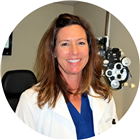
Who are optometrists?
Optometrists are licensed eye care professionals who help to prevent, detect, diagnose, and treat vision problems. They are not medical doctors but are the primary healthcare providers when it comes to ocular health. Optometry training helps them to deeply understand all aspects of vision care and its relationship to the body's overall health. Optometrists are often the first professionals to detect the early signs of systemic medical conditions by checking ocular manifestations of certain health issues and making timely referrals to medical professionals for further management.
Optometrists, also known as Doctors of Optometry, educate patients on lifestyle changes related to eye care, conduct comprehensive eye examinations, prescribe medications for vision issues, and administer eye vaccinations. They fit glasses, contact lenses, and other visual aids and provide vision therapy and rehabilitation. They are qualified to manage various vision problems, ocular injuries, and other eye disorders. While optometrists typically care for visual conditions such as vision changes, glaucoma, and dry eyes, in a few states in the U.S., they are also allowed to perform minor surgical procedures on the eyes, such as laser eye surgery and foreign body removal.
Educational qualifications of optometrists in the U.S.
All optometrists in the U.S. must go through the following steps to legally practice in the country.
- Earning an undergraduate degree in the sciences or a related field (4 years)
- Clearing the Optometry Admission Test (OAT) and obtaining the Doctor of Optometry (O.D.) degree from an accredited optometry school (4 years)
- Undergoing an optional residency in optometry specialties such as low vision rehabilitation, family practice, ocular diseases, pediatric optometry, or geriatric optometry (1 year)
- Completing all parts of the National Board of Examiners in Optometry examinations to obtain the optometrist license
- Earning the board certification for optometrists in the U.S. administered by the American Board of Optometry (optional)
Standard optometry specialties
Optometry encompasses a range of specialties designed to address specific patient needs. These specialties enable optometrists to improve treatment outcomes for particular conditions through personalized care and tailored treatment plans. Some of these optometry specialties include the following:
- Primary care optometry: Most optometrists are general practitioners who provide comprehensive eye care, including the diagnosis and treatment of eye conditions, vision testing, and the prescription of eyewear and contact lenses. They also emphasize health maintenance and disease prevention.
- Pediatric optometry:Pediatric optometrists specialize in children’s eye care, addressing issues such as refractive errors, strabismus (crossed eyes), and amblyopia (lazy eye). Their work includes conducting routine eye examinations, prescribing corrective lenses, and preventing long-term vision problems through early detection.
- Low vision optometry: These specialists diagnose and manage patients with low vision—visual impairments that cannot be corrected with eyeglasses or contact lenses. Symptoms may include loss of color vision, reduced visual fields, or diminished contrast sensitivity. Common causes of low vision include aging, congenital disabilities, injuries, or diseases. Currently, low-vision optometry remains a niche field compared to other specialties.
- Sports vision optometry: Sports vision optometrists focus on enhancing athletes' visual skills, including reaction time, depth perception, and hand-eye coordination. They create individualized vision training programs to boost athletic performance and prevent injuries. Collaboration with other healthcare professionals and team physicians ensures comprehensive care.
- Geriatric eye care: These specialists address age-related eye conditions commonly seen in older adults, such as diabetic retinopathy, macular degeneration, glaucoma, and cataracts. Early detection and management of these conditions are essential to preserving vision and enhancing quality of life.
- Ocular disease optometry: Optometrists in this specialty receive advanced training to diagnose, treat, and manage ocular diseases, including diabetic retinopathy, cataracts, glaucoma, and macular degeneration. Their expertise goes beyond the foundational four years of optometric education.
What is a comprehensive eye exam?
A comprehensive eye exam includes vision tests and checking the general health of all the ocular tissues. Optometrists conduct this examination and, depending on the individual patient's symptoms, choose the tests. By getting regular comprehensive eye exams with a medically recognized optometrist near you, they can identify vision problems such as glaucoma and other chronic illnesses such as diabetes, hypertension, tumors, and aneurysms in a timely manner. While vision screenings test the status of your vision, they only focus on certain parts of the eyes. These screenings do not usually examine them as a whole and their connection to the rest of the body; this is possible with comprehensive eye exams, making them more crucial for maintaining both ocular and general health.
What are some common eye conditions?
Various eye conditions develop due to poor eye health and progressing age and some are present from birth. Getting routine check-ups to assess the existing eye condition and catch diseases early for effective treatment is essential.
Some common eye conditions include the following:
Refractive conditions
It is the most common eye problem in individuals of any age. It includes nearsightedness or myopia, farsightedness or hyperopia, distorted vision or astigmatism, and loss of focus in close-up objects or presbyopia. These conditions are treatable if you visit the best optometrist near you to get it corrected by contact lenses or eyeglasses. Some optometrists may recommend surgery in extreme cases.
Diabetic retinopathy
Diabetes can cause eye complications by progressively damaging the retina's blood vessels. It is also the leading cause of blindness and affects both eyes. Controlling blood pressure, blood sugar, and lipid abnormalities can reduce the risk of diabetic retinopathy.
Age-related macular degeneration (AMD)
Two types of AMD are dry AMD and wet AMD. The thinning of the macula leads to dry AMD due to progressing age. This condition can result in fluid and blood leakage and reduce central vision. Some early symptoms include blurry vision that can slowly progress to wet AMD. On the other hand, wet AMD is the abnormal growth of a blood vessel behind the retina under the macula. Like the dry counterpart, it can cause leakage, leading to loss of central vision. If untreated for a long time, it can permanently impair close-up vision.
Cataract
It is one of the conditions that can occur at any age due to different reasons and can also be present at birth. It causes blurry vision and clouding of the eye's lens. Getting an appointment with the best optometrist near you is essential, as treatments are readily available. Detecting cataracts early can help increase the effect of treatment.
Glaucoma
It is a group of diseases that cause damage to the eye's optic nerve. It occurs when eye pressure rises over time. However, some recent studies have shown that glaucoma can also develop under normal eye pressure. You can protect yourself from severe vision loss if you get early treatment.
Tips for ocular care
The first step on the journey to good vision care involves undergoing regular comprehensive dilated eye examinations with a licensed optometrist. Knowing your family's history of eye health and sharing it with the optometrist helps the eye care provider protect your visual and general health before problems arise or worsen. Healthy lifestyle changes aid in bringing about long-term effects in both ocular and general health. Significant changes include:
· Following a healthy diet rich in eye-healthy foods like carrots, green leafy vegetables, and fish with omega-3 fatty acids
· Including a moderate exercise regimen
· Monitoring weight and working on keeping it within a healthy range
On the other hand, smoking is very harmful to the eyes and can lead to severe problems such as cataracts, damage to the optic nerve, and age-related macular degeneration. These medical issues increase the chances of going blind, so quitting cigarettes is helpful. Covering eyes with protective shades, not just during sports and in the workplace but also when you step into the sun, helps protect the eyes from the sun's harmful U.V. radiation. People working extensively on screens should regularly rest their eyes to prevent them from getting overstrained. Regular disinfection of contact lenses aid in keeping the eyes healthy and strong.
Finding the best optometrist near you in Minneapolis, Minnesota
Almost 25% of the U.S. population is unaware of the need for a routine eye exam. What they do not know is that ocular health mirrors the general health of the body and can help doctors detect in a timely manner over 270 severe medical conditions, including hypertension, diabetes, autoimmune diseases, and even cancers. But awareness about regular vision testing is only half the journey. Finding the right optometrist is the other half, and this is where Zocdoc’s meticulously designed database can make things simpler.
Zocdoc allows you to filter for optometrists based on your requirements. By entering a few personal details into the search boxes, such as your condition or symptoms, current location (home or office address), zip code, and date and time for a preferred appointment, you can locate optometrists best suited for your problems.
Zocdoc allows you to make both in-person and virtual appointments with optometrists a few days before, one day before, and even on the same day or a few hours prior, based on the availability of the healthcare provider. It even helps you to filter optometrists based on your medical insurance to choose the best optometrist near you.
Once you select your current medical insurance policy and plan from the drop-down menu on Zocdoc, the application will present you with a list of professionals who are in-network or who, in other words, would accept your insurance for payments. Alternatively, you can update your Zocdoc account’s insurance information or upload a picture of your health plan card on the Zocdoc app. It will help you get filtered results on providers within your insurance network. Check out Zocdoc's patient help center for more insurance-related FAQs.
Once you obtain your curated list of optometrists, you can gather further information by clicking on their names. Zocdoc also includes a profile for every optometrist listed on the website. The profile lists details like
· Their gender
· Years spent in training
· Certifications
· Licenses
· Affiliations
· Accreditation
· Past awards
· The languages they can speak
· Places, days, and times of practice,
· The conditions and age group they specialize in treating
The phone numbers for the practice are also provided in the profile. You can call the optometrist's office ahead of the appointment and ask questions and any precautionary measures to be taken before coming for the test.
All bookings on Zocdoc are fast, free, and secure!
Optical statistics in Minneapolis, Minnesota
According to the Occupational Employment and Wage Statistics report published by the U.S. Bureau of Labor Statistics, nearly 340 licensed optometrists were practicing in Minneapolis as of May 2021. The location quotient for the city (0.67) was lower than the national average. This report calculates the location quotient by dividing the number of optometrists in Minneapolis by those in the entire nation.
The Centers for Disease Control and Prevention (CDC) conducted the Vision Health Initiative, and under the state profile for Minnesota, a report titled The Impact of Vision Impairment provided details on how vision problems had affected the state population. The data for this report is based on that collected between 2012 and 2016. According to this report, nearly 80,000 people in Minnesota either went completely blind or had severe problems with vision, even with prescription glasses. The numbers were found to be higher among people with overall poor health (10%) and those with education levels below high school (5%) when compared to healthy people (2%) and those who completed high school and above (2%). The report also stated that the percentage of people with severe vision impairment was higher among those with chronic medical conditions, such as diabetes (16%), arthritis (41%), and mobility issues (32%). Among people over 65 with severe vision issues, around 43% mentioned having taken a fall the previous year.
Sources
American Association for Pediatric Ophthalmology and Strabismus
Healthline Media
WebMD
American Optometric Association
U.S. Bureau of Labor Statistics[1]
U.S. Bureau of Labor Statistics[2]
Centers for Disease Control and Prevention[1]
Centers for Disease Control and Prevention[2]
Centers for Disease Control and Prevention [3]
Cleveland Clinic
revolutionEHR
Association of Schools and Colleges of Optometry