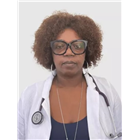
Who is a primary care doctor?
Primary care doctors treat people with common medical problems and provide preventive care by advising patients on healthy lifestyle habits. Also known as primary care physicians (PCPs), they can care for their patients throughout their lives and, therefore, tend to develop long-term doctor-patient relationships. They can offer routine medical checkups and prescribe medications.
Primary care doctors can help manage chronic conditions such as diabetes, arthritis, hypertension, and asthma. They can detect severe conditions early and enable timely treatment by referring you to a specialist. PCPs can have private practices or work in clinics, hospitals, nursing homes, long-term healthcare facilities, workplaces, schools, and community care centers.
Primary care doctors can provide non-emergency care and treat conditions such as mild fever, rashes, cough, cold, and minor wounds. They maintain patients' medical histories, check for vaccination status, and provide immunization if required.
What kind of education do primary care doctors receive?
Future primary care doctors require a pre-med or science degree from an approved institution. After that, they must enlist for four years of training and study in a medical program.
During the first two years of medical school, students study theory in classrooms and laboratories. In the last two years, students receive practical training under the supervision of qualified medical specialists. Students learn to prevent, diagnose, and treat illnesses and disorders in healthcare settings such as clinics and hospitals.
Medical school graduates earn a Doctor of Medicine (M.D.) or a Doctor of Osteopathy (D.O.) degree. They must next complete a residency, which, depending on the specialty selected, might take three to seven years. After completing their residency, some doctors continue their education and pursue specific subspecialties, which require them to finish a one- to three-year fellowship in an area such as family medicine, internal medicine, pediatrics, or geriatrics.
By passing a challenging test administered by the American Board of Family Medicine or the American Osteopathic Board of Family Doctors, PCPs can get board certification. Before starting practice, all PCPs must clear a state-level licensing exam.
What kinds of doctors provide primary care?
There are various kinds of primary care doctors, depending on their specialty.
Family practitioners: Family doctors treat patients of all ages, from infants to the elderly. Because they need to treat a wide range of illnesses, they receive training in various areas such as pediatrics, geriatrics, adult medicine, obstetrics, and musculoskeletal care.
Internal medicine doctors: Internal medicine doctors or internists treat only adults. They treat many acute and chronic illnesses. They receive training in neurology, endocrinology, orthopedics, rheumatology, geriatrics, and rehabilitation. They typically handle complex diseases or patients with multiple conditions.
Pediatricians: Pediatricians receive training to handle illnesses and conditions affecting children, from infants to adolescents and young adults. Some pediatricians specialize further in areas such as pediatric cardiology or pediatric neurology.
Geriatricians: Geriatricians treat older adults and are experts in treating conditions such as dementia, insomnia, balance problems, Parkinson's, and Alzheimer's.
OB-GYNs: OB-GYNs are obstetricians and gynecologists, experts in illnesses and conditions affecting a woman's reproductive system. They can provide care during pregnancy, childbirth, and the postpartum period. Some OB-GYNs offer general health services similar to those provided by family doctors.
Some nurse practitioners and physician assistants also provide primary care. They typically have a master's degree, have cleared a certification examination, and have state licensure to practice.
Why should one visit a primary care doctor?
While you may be inclined to see a primary care doctor only when you are sick, you may also see a primary care doctor for advice on improving or maintaining your health or for help regarding an addiction such as smoking. You can visit a primary care doctor near you for immunizations, health screenings, or an annual exam.
Primary care doctors care for all types of non-emergency medical situations. For example, if you are feeling under the weather, the doctor can examine you, order tests, diagnose the problem, and prescribe medication.
If you need help managing a chronic condition such as cardiovascular disease or obstructive pulmonary disorder, you can seek a primary care doctor’s help. If they refer you to a specialist, they will work closely with the expert to provide appropriate care.
What happens during an annual physical exam?
To ensure you are in good health and to detect signs of diseases early on, it is crucial to schedule complete physical exams with your primary care doctor every year. Typically, this checkup will include the following:
- Vital signs: Your doctor will start the checkup by checking your vital signs - height, weight, temperature, blood pressure, heart rate, and rate of respiration.
- Vaccinations: They will check if you are up-to-date with your vaccinations and administer any shots if needed.
- Diabetes screening: Your doctor will screen for diabetes using the fasting blood sugar test or the A16 test, especially if the condition runs in your family.
- Heart and lung exam: Using a stethoscope, they will listen for an irregular heartbeat, heart murmurs, slowed-down breathing, wheezes, and crackles.
- Head and neck exam: Your physician will check your tonsils, throat, nose, sinuses, ears, eyes, thyroid, lymph nodes, and carotid arteries to check for any abnormalities. They might also check your teeth and gum health.
- Neurological exam: They will assess your reflexes, muscle strength, and balance.
- Abdominal exam: They will tap your abdomen to check the presence of abdominal fluids and the size of your liver. They will also listen to your bowel sounds using a stethoscope and check for tenderness.
- Dermatological exam: Your doctor will inspect your skin for any growths, moles, discoloration, etc. They will also check your nails and hair for any abnormalities.
Additionally, based on your sex, your doctor will perform the following:
- For men: They will check your testicles for lumps and your penis for warts or ulcers and insert a finger inside your rectum to feel the size of your prostate. Your doctor might also perform a hernia exam by assessing if the wall between your scrotum and intestines is weak.
- For women: Alternatively, they can check for breast cancer and conduct pelvic exams, pap smears, and HPV (Human Papillomavirus) tests.
Further, they can screen for sexually transmitted infections, HIV, and colorectal cancer.
Find the top-rated primary care doctors in Columbia, Maryland
Any of your medical requirements, including chronic illnesses, recent injuries, or diseases, can be managed by a primary care doctor. Your health and well-being improve by keeping a long-term relationship with them. However, finding a good primary care doctor near you can be challenging. Luckily, Zocdoc can help you here.
You can find primary care doctors everywhere in the United States, including Columbia, Maryland, with the help of Zocdoc. Type your location, the specialization you are looking for, and your insurance details in the search box. When you click "Find" on Zocdoc.com, it will list all the in-network primary care doctors in your neighborhood.
Zocdoc provides a detailed profile page for each healthcare provider. The profile contains information such as their education and training, specialty, hospital affiliations, board certifications, licensure, honors, awards, and accreditations. You can also read verified patient reviews and ratings for first-hand information on a PCP to make an informed decision. You can also find out the PCP's gender, the languages they speak, and whether they treat children.
You can schedule online or in-person appointments with primary care doctors near you on Zocdoc. Just look for a purple symbol on the profile of primary care doctors to find those who offer video consultations. Further, depending on the doctor’s availability, you can schedule an appointment during business hours, after 5 p.m., before 10 a.m., on holidays, or even on weekends.
Booking appointments on Zocdoc is easy, secure, and free.
Statistics on primary care doctors in Maryland and the conditions they treat
According to the U.S. Bureau of Labor Statistics, there were about 1,290 family medicine physicians, 2,510 general internal medicine physicians, and 290 obstetricians and gynecologists in Maryland in May 2022. In addition, the state had approximately 800 general pediatricians, 4,170 nurse practitioners, and 3,720 physician assistants.
Further, according to America's Health Rankings, Maryland had approximately 283.8 active primary care providers per 100,000 population in September 2022. It included internal medicine, family practice, general practice, pediatricians, geriatricians, obstetrics and gynecologists, nurse practitioners, and physician assistants.
PCPs can help manage chronic conditions such as diabetes. According to America's Health Rankings, in 2021, about 11.1% of the adult population in the state was diagnosed with diabetes, excluding prediabetes and gestational diabetes. Men (11.7%) were more likely to have diabetes than women (10.5%). The condition's incidence increased with age, with about 22% of those 65 and above having diabetes. The percentage was lower in those aged 45 to 64 (14.8%) and those aged 18 to 44 (3%).
Sources
MedlinePlus
Nemours KidsHealth
Cleveland Clinic
WebMD[1]
WebMD[2]
Healthline[1]
Healthline[2]
U.S. Bureau of Labor Statistics
America's Health Rankings[1]
America's Health Rankings[2]
Medical News Today