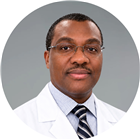
Who are primary care doctors?
A primary care doctor, a medical professional, plays an essential role in helping you live a better life. They are the first providers you see regarding medical care for health concerns. They assist in detecting, diagnosing, and treating common ailments and providing periodic checkups, vaccinations, preventative care, and wellness screenings. A PCP can assist in managing chronic diseases, including diabetes, obesity, hypertension, and other prevalent illnesses.
Primary care doctors deal with various medical issues in all kinds of patients. They commonly specialize in general internal medicine, general pediatrics, or family medicine. However, they can also practice in other specializations. Typical categories of primary care providers include the following:
- Pediatricians: Pediatricians undergo explicit training in the healthy development of infants, children, teenagers, and young adults up to the age of 21. Although many doctors focus on pediatric cardiology or pediatric neurology, others may opt to provide primary care for children.
- Family physicians: Family doctors train extensively in adult, geriatric, musculoskeletal, obstetrical, and pediatric medicine and treat patients of all ages.
- Internists: Internal medicine physicians exclusively treat adults. Like family doctors, they address both acute and chronic disorders. Thus, internists attain training in various fields, including endocrinology, rheumatology, neurology, orthopedics, geriatrics, and rehabilitation.
- Geriatricians: These medical professionals specialize in treating older adults. They are highly competent at treating diseases like insomnia, dementia, and balance issues.
- Obstetrician-gynecologists (OB-GYNs): Obstetricians and gynecologists are medical professionals who focus on women's health. They are experts in managing pregnancy, delivery, and postpartum complications. While some specialize solely in female reproductive health, others may offer comprehensive medical care like an internist family physician.
- Physician assistants and nurse practitioners: These medical specialists provide primary care in specific settings. Both roles require extensive training, including a master’s degree and passing a certification exam. Additionally, they must maintain a state license to practice. Physician assistants usually work under the supervision of a physician. In contrast, nurse practitioners may work under a physician’s supervision or practice independently, depending on the regulations of the state they are in. This arrangement helps address the shortage of primary care physicians.
What do primary care doctors do?
Primary care doctors are patients' first point of contact when seeking healthcare services. They offer holistic care to patients of all ages and form a special bond with the patients that can span across generations. They are responsible for evaluating patients' existing conditions and managing their acute and chronic conditions.
General practitioners or primary care doctors work in various settings, including hospitals, communities, personal clinics, and home care. There are multiple reasons to visit a general practitioner near you. Some of the common reasons include the following:
- Early detection of medical conditions: Primary care doctors help detect acute and chronic conditions before they worsen. It includes illnesses and diseases like cancer, tumors, heart conditions, and diabetes.
- Immunizations and vaccinations: Since primary care doctors are your initial contact with healthcare, they are responsible for your or your children's vaccinations.
- Treatment of common conditions: General practitioners can quickly diagnose/treat illnesses like colds and flu.
- Routine checkups: People often have frequent checkups with a general practitioner to deal with various issues, including anxiety, depression, hypertension, and obesity. It helps them to stay healthy and get wellness screenings to track their development.
- Diagnosis screenings: Primary care doctors are also responsible for performing lab tests such as blood tests to diagnose your medical condition accurately.
- Prescribe medications: General practitioners prescribe most medications people take daily. It is necessary for hypertension, heart disease, and diabetes.
- Lifestyle improvement: In some cases, primary care doctors can improve your life by creating a self-care plan, diet, and exercise. It helps to manage conditions such as anxiety and depression to ensure you live a life with mental and physical well-being.
- Managing a chronic condition: Various chronic medical conditions can affect an individual's quality of life. Hence, visiting a general practitioner near you can give you meaningful insights into living with them effectively. They will also help educate you about your condition so that you can live diligently.
- Referral to a specialist: Primary care doctors can refer you to a specialist if your condition needs special attention.
Education and training of a primary care doctor
Primary care doctors must complete an intense training program. It typically takes about 11 years, including an undergraduate degree of four years, four years of medical school, and three years in a residency program.
After graduating college, the next step is gaining admission into an approved medical school. The curriculum for medical students consists of lectures and clinical and community activities. Upon receiving their medical degrees, primary care physicians must have residency in family medicine, internal medicine, pediatrics, or gynecology. These courses span from three to seven years. Aspiring primary care physicians undergo supervised, practical clinical training during their residency.
Once they have satisfied all the academic and clinical criteria, they sit for a national or state test to obtain their certification. To become a licensed doctor, they must pass the Comprehensive Osteopathic Medical Licensing Examination (COMPLEX-USA) or the United States Medical Licensing Examination (USMLE).
Importance of primary care
The healthcare system in the United States can be complex due to its various specializations. As an individual, it is easy to feel overwhelmed not knowing which healthcare professional to consult for your condition. Primary care acts as your first point of contact within the healthcare system. Thus, it is crucial to establish a relationship with a primary care doctor near you. It can help you attain and maintain long-term health. Additionally, primary care doctors often become family doctors, providing care for multiple generations within a family.
Primary care doctors can help lower healthcare costs, improve health outcomes, and give better healthcare access. Some people also deem it a better alternative than going to an emergency center or an urgent care clinic. However, you must still prioritize them if you’re experiencing a life-threatening condition or health issues that cannot wait until the next day.
Accordingly, getting routine checkups with your primary care doctor can help them detect early signs of illnesses and conditions. Early detection can help them provide prompt treatment, saving you money on medical costs in the long run. Primary care doctors also emphasize preventive care and patient education to help you live healthier through lifestyle modifications. They also play a crucial role in referring you to the necessary specialists if your condition needs specialized care.
When should you see a primary care doctor?
Unlike other medical professionals, you can meet a primary care doctor in your vicinity even if you are not ill. You can consult them for the following cases:
- You suffer from a chronic ailment like diabetes, high blood pressure, or asthma. In such cases, your primary care physician could recommend a specialist for advanced care.
- You are required to have immunizations, health screenings, or annual checkups.
- You're not feeling well. In this situation, your primary care physician can conduct the required tests, diagnose the problem, and recommend treatment.
- In case of accidents or injuries, your primary care physician is often your initial point of contact for further guidance.
How can you maintain good health?
Achieving good health may seem challenging, but small lifestyle changes can make a significant difference. Here are some essential tips to enhance your overall well-being:
- Stay hydrated: Drinking enough water supports blood volume, organ function, and overall health without added calories, sugar, or artificial ingredients.
- Prioritise quality sleep: Sleep plays an important role in hormone regulation, insulin sensitivity, appetite control, and mental performance.
- Engage in regular exercise: Physical activity strengthens muscles and bones, helps manage weight, and enhances cognitive function, making daily tasks easier.
- Limit sugar consumption: Studies show that sugary drinks increase the risk of type 2 diabetes and heart disease, even in individuals with a healthy weight. Opt for alternatives like water, unsweetened tea, or black coffee.
- Avoid smoking, drugs, and excessive alcohol: These habits increase chronic diseases' risk, and reducing or quitting them improves long-term health.
- Increase protein intake: Protein supports cell regeneration, tissue repair, and weight management.
- Limit screen time: Reducing blue light exposure from devices 30–60 minutes before sleep supports melatonin production and improves sleep quality. Wearing blue light-blocking glasses can also help during prolonged screen use.
- Nurture meaningful relationships: Strong social connections with family and friends boost emotional well-being and contribute to a longer, healthier life.
- Manage stress through meditation: Chronic stress affects weight, fat storage, immune function, and blood sugar levels. Meditation can lower stress and enhance overall wellness.
- Incorporate nuts and seeds into your diet: Rich in vitamins, minerals, fiber, and protein, they aid in weight management as well as help reduce the risk of heart disease and diabetes.
By adopting these habits into your daily routine, you can take steps toward a healthier life.
How do you find a good primary care doctor near you in Decatur, Georgia?
Choosing a competent primary care doctor might be vital if you want a healthy lifestyle. People who visit primary care doctors are more likely to obtain high-value treatments, including routine cancer screenings, diagnostic testing, diabetes exams, and counseling.
If you want to find a general practitioner near you in Decatur who can provide the best diagnosis, treatment, and care, look no further than Zocdoc. It is a platform that connects users with thousands of doctors of all specialties. Its area-specific search can help you find your nearest provider within minutes. Each primary care doctor listed on Zocdoc has a dedicated profile where you can read information about their educational background, board certifications, clinical pursuits, specializations, work experience, credentials, and spoken languages. You may also examine patient reviews and verified user ratings to make a well-informed choice.
Additionally, Zocdoc simplifies the insurance submission process by letting you filter your search depending on whether or not a provider accepts your insurance. You can do it by uploading a picture of your insurance card if you're searching on a smartphone or tablet. Alternatively, you can update your insurance information on your Zocdoc account. You can link your medical, dental, and vision insurance plans to your account, but you can use only one plan per appointment.
You can add your secondary insurance details in the appointment notes if you have multiple insurance plans. Alternatively, if your healthcare provider uses Zocdoc's Intake forms, you can enter your secondary insurance information directly through the form. Subsequently, you can check out Zocdoc's insurance FAQs to learn more.
Once you've chosen the best general practitioner near you for your unique case, click the "book an appointment" option, and Zocdoc will help you schedule your first appointment immediately. Your ideal doctor will take your insurance, be available when needed, and allow you to make healthcare decisions.
With Zocdoc, you can schedule appointments with primary care doctors before, during, and after office hours, depending on their availability. You may also book appointments on weekends and holidays if their schedule allows.
Booking appointments with primary care doctors near you on Zocdoc is easy, safe, and free!
Statistical overview of primary care in Decatur, Georgia
As per the Association of American Medical Colleges, there will be a shortage of 14,800 to 49,300 primary care doctors by 2030. A nationwide project called Healthy Individuals 2030 seeks to lower the proportion of people who cannot get medical care when needed and increase the number of people who regularly see a primary care physician.
Per an article by the Centers for Disease Control and Prevention, the leading cause of death in Georgia, as of 2017, was heart disease, at 18,143 deaths. Cancer ranked second with 17,184 deaths, while chronic lower respiratory disease came third at 4,805 deaths. These diseases were significantly higher in Georgia compared to the US. Moreover, as per County Health Rankings, Decatur is one of Georgia's least healthy counties (lowest 0%–25%). There was only one primary care doctor for every 2,640 persons in Decatur as of 2019.
Source
Healthline[1]
Healthline[2]
Healthline[3]
WebMD
Jama Network
America's Health Rankings
Georgia Department of Public Health
DATA USA
Association of American Medical Colleges
County Health Rankings
Centers for Disease Control and Prevention
American University of the Caribbean School of Medicine
Cleveland Clinic