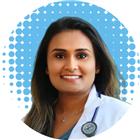
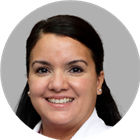
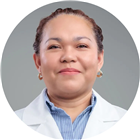
Who is a primary care doctor?
Primary care is the medical provision of accessible and unified healthcare services by primary care doctors and their teams. These doctors are accountable for addressing and solving personal healthcare needs, creating sustainable relationships with patients, and practicing in family and community settings. The healthcare provided by a primary care doctor is patient-centered and community-focused. It aims to achieve better health at lower costs.
Primary care doctors may be family medicine, internal medicine, or pediatrics specialists. They provide definitive care to people of all ages and with any health condition as the first medical point of contact. After establishing a stable relationship, primary care doctors offer continuous and comprehensive care to patients well past their 60s. Doctors with family medicine training can help all the members of the family and can treat many diseases. General pediatrics focuses on health problems in newborns, adolescents, and people 18 or below.
Primary care doctors treat acute and chronic conditions in inpatient and outpatient settings. In addition to their core responsibilities, they promote and educate about healthy lifestyles, disease prevention, health maintenance counseling, and vaccinations. Primary care doctors often collaborate with other medical specialists to ensure the most effective treatment.
Education and training of a primary care doctor
The academic journey of a primary care doctor begins with completing an undergraduate degree in any science discipline from an accredited university. They then go on to receive medical training. During their four years of medical school, the curriculum includes lectures and clinical and community experiences. A holistic module covers science, the latest medical innovations in treatment, diagnosis, problem-solving, preventive care, professionalism, and medical ethics. Students can also combine their primary medical education with a graduate school program that provides an integrated curriculum.
Aspiring primary care doctors receive hands-on and supervised clinical training during the three to seven years of residency training. They undergo rotations between various subfields, such as pediatrics, emergency medicine, obstetrics, general surgery, and inpatient healthcare. Once they meet all the clinical and academic requirements, they take a national or state exam to earn their certification.
Primary care physicians must graduate from an accredited medical program and clear the necessary board examinations to become licensed doctors. They must clear the United States Medical Licensing Examination (USMLE) or pass two levels of the Comprehensive Osteopathic Medical Licensing Examination (COMPLEX-USA).
Importance of a primary care doctor
The importance of a primary care doctor extends far beyond their ability to address a wide range of health concerns. Establishing a bond with a primary care provider brings stability and efficiency across various aspects of healthcare. Here are some essential elements of understanding primary health care and PCPs:
- Seeing a PCP vs. UCC or ED: Knowing when to visit a primary care doctor instead of an urgent care center (UCC) or the emergency department (ED) is essential. Emergencies, such as signs of a heart attack, stroke, or severe allergic reaction, require immediate attention in the ED. Urgent care centers (UCCs) have the equipment to treat non-life-threatening issues such as colds, ear infections, and minor burns. Primary care is best suited for routine examinations, screenings, common illnesses, and vaccinations, except in emergencies.
- Familiarity: Having a primary care doctor who knows and understands your health complexities is invaluable. This familiarity allows for personalized care and eliminates the need to discuss your details and medical history repeatedly. Primary care doctors aim to provide tailored healthcare, making it more efficient when there's a solid patient-provider connection.
- Preventive measures and disease management: Primary care doctors take responsibility for screening and detecting significant health issues. They help manage chronic conditions and improve overall quality of life.
- Team-based care: Primary care doctors are part of a knowledgeable team catering to your needs. This team often includes doctors, nurse practitioners, physician assistants, registered nurses, patient access staff, and patient care associates. The collaborative approach ensures comprehensive medical care by incorporating diverse perspectives.
What are the different types of primary care providers?
Primary care providers offer diverse direct health care services depending on their qualifications. Some common types of primary care providers include:
- Family medicine physicians: Also known as family practitioners or family doctors, these medical professionals diagnose and treat patients of all age groups within a family. Their broad expertise spans pediatrics, adult medicine, geriatrics, musculoskeletal care, and obstetrics, enabling comprehensive care provision.
- Internal medicine physicians: Internists specialize in diagnosing and treating acute and chronic diseases affecting adults. Their extensive training covers various medical fields, such as neurology, endocrinology, orthopedics, rheumatology, rehabilitation, and geriatrics.
- Pediatricians: Focused on training for children and adolescent patients up to 21 years of age, pediatricians provide care throughout their developmental stages. Some pediatricians further specialize in subspecialties like pediatric cardiology or pediatric neurology.
- Geriatricians: These doctors specialize in diagnosing and treating diseases in older patients. Their expertise lies in conditions that commonly affect older people, such as dementia, insomnia, and illnesses that compromise balance.
- OB-GYNs: Physicians in obstetrics and gynecology concentrate on female health and well-being. While gynecology encompasses all stages of women's health, including menstruation, reproduction, and menopause, obstetrics primarily focuses on pregnancy and childbirth.
- Nurse practitioners: Nurse practitioners collaborate as essential members of a healthcare team, operating under the supervision of a primary care doctor. Their educational background typically includes a master's degree, a certificate, and a state license to practice.
Which services are covered by primary care?
A broad range of services that support general health and well-being are included in primary care. Some of the critical services provided by primary care providers include:
- Cardiovascular health screenings: During a heart health checkup, doctors assess a patient's cardiovascular health and risk factors. It includes examining the heart and blood vessels for signs of disease and evaluating the individual's risk of developing cardiovascular conditions in the future.
- Cancer screenings involve checking the body for cancer before symptoms appear. Regular screenings can help detect cancers such as breast, cervical, and colorectal cancer early, improving the chances of successful treatment. Some individuals, particularly those at high risk, may also undergo lung cancer screening.
- Ultrasounds: Ultrasound procedures use sound waves to create images of internal organs and tissues. They are commonly used for diagnosing various medical conditions, including cancer, and provide valuable insights into a patient's health.
- Diabetes screenings: Testing blood sugar levels to identify diabetes disorders such as type 1, type 2, gestational, and prediabetes is known as diabetes screening. Early detection is critical for successfully managing the illness.
- Immunizations: Vaccinations are essential to primary health care, protecting individuals against infectious diseases. They are vital for public health, preventing outbreaks, and contributing to global health security. Healthcare professionals recommend immunizations for individuals of all ages to maintain immunity and prevent the spread of disease.
- Wound care: Proper wound care prevents infection and promotes healing. Primary care providers offer treatments and techniques to manage open wounds effectively. It may include prescribing medications and guiding wound care practices to facilitate recovery.
Tips on choosing a primary care doctor
A primary care doctor is the first professional you visit to inquire about your medical needs, wellness routines, and other health conditions. The doctors also provide referrals to specialists if your situation requires special attention. Whether you want to change your primary care doctor or are yet to choose one, picking someone who can understand your needs is the first step.
Since patient-doctor relationships last long, understanding how to find a primary care doctor is essential. Follow these five tips to choose the right primary care doctor:
- Healthcare can be an expensive investment. However, regular checkups can help spot warning signs about various complex health issues before they worsen. To ensure you invest in your healthcare at an affordable price, choose the doctors near you who accept your insurance plan. This way, you will find the best support and won't have to spend too much.
- It is necessary to narrow the list of primary care doctors. Find a doctor who best suits your medical needs. Primary care doctors usually specialize in pediatrics, family, general, or internal medicine. For example, if you want to find a doctor who can treat the health issues of your entire family, visiting a family practice doctor will be a better option. A general or internal specialist can be most helpful if you are an adult with an acute or chronic condition.
- Referrals to a primary care doctor can go a long way. You may be more comfortable visiting a doctor who provides services to your friend, co-worker, or family member. If you have a relationship with other medical professionals, you can ask them to provide appropriate referrals.
- Work out the logistics once you understand what kind of doctor you want to see. Some doctors may offer online and offline appointments. If your health condition makes it hard for you to travel, you may find it convenient to have your first appointment over a video call. A language barrier can pose challenges when conveying your needs to the doctor. To avoid this, find someone who speaks the same language as you.
- The final tip is to visit the doctor. Once you determine all your medical needs, see the doctor offline or online and go for the initial session. During the appointment, you can consider how you feel about the environment, the services they offer, and your overall relationship before you finalize and continue for the second visit.
How to find a primary care doctor in Woodstock, Georgia
Your primary care doctor will focus on establishing rapport with you before talking about your health problems. During the initial evaluation, they may ask for your medical, personal, and family history. They will also request medical tests like blood tests, urinary samples, or X-rays if they need to assess specific issues. The doctor focuses on providing the best support and ensuring your health level returns to its previous form. You may have to be open-minded, patient, and cooperative with your doctor to do this.
It can get overwhelming if you are new to finding a doctor. To ease your concerns, Zocdoc offers a variety of features to help you find the right fit. Follow these simple steps to find the best doctors in Woodstock:
- Register a free account on Zocdoc, and you will find the advanced filter on the website's homepage. Using this filter, you can look for a doctor based on your symptoms, condition, procedure, specialty, location, date, time, availability, and insurance carrier and plan.
- Once you click the search button, the screen displays a comprehensive list of all the doctors.
- You can visit each doctor's unique profile to read about their professional background. The profile includes their academic qualifications, medical experience, research interests, services, appointment options, languages they speak, and gender. You can shortlist the doctors who meet your criteria based on all the available information. You can also look at the go through verified reviews and ratings before booking an appointment.
All bookings made on Zocdoc are simple, accessible, and secure!
Healthcare statistics in Woodstock, Georgia
According to a report published by the National Center for Health Workforce Analysis, there were approximately 268,297 primary care doctors in the U.S. in 2021. The report also stated that 270,660 nurse practitioners and 26,455 physician assistants were involved in delivering primary care in 2022.
According to the U.S. Bureau of Labor Statistics, as of May 2023, around 2,560 family medicine physicians, 5,130 general internal medicine physicians, 980 obstetricians and gynecologists, and 3,760 physician assistants were practicing in Georgia.
According to a report published by America's Health Rankings, 9.6% of adults in Georgia had asthma in 2022. The condition was more prevalent among women (12.7%) than men (6.2%). Another report by the same organization stated that 12,1% of adults in the state had been diagnosed with diabetes in 2022. This chronic condition was most prevalent among adults over 65 (25.8%) and men (12.6%) in the state.
According to data from the Centers for Disease Control and Prevention website, heart disease emerged as the primary cause of death in Georgia in 2017, with cancer and chronic lower respiratory disease following closely behind. Around 18,143 Georgian adults died of heart disease, roughly 17,184 died of cancer, nearly 4,805 died of chronic lower respiratory disease, and approximately 4,349 died of a stroke in 2017.
Sources
American Academy of Family Physicians
WebMD
Association of American Medical Colleges
Blue Cross Blue Shield Association
Centers for Disease Control and Prevention[1]
Centers for Disease Control and Prevention[2]
Centers for Disease Control and Prevention[3]
Centers for Disease Control and Prevention[4]
Data USA
Cleveland Clinic
Mayo Clinic
National Cancer Institute
World Health Organization
Healthline[1]
Healthline[2]
Medical News Today
National Center for Health Workforce Analysis
U.S. Bureau of Labor Statistics
America’s Health Rankings[1]
America’s Health Rankings[2]