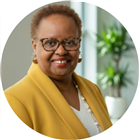
Who is a clinical psychologist?
Clinical psychology stands out as one of the most extensively studied fields within psychology. It focuses on identifying, diagnosing, and treating a spectrum of mental, emotional, and behavioral disorders. A clinical psychologist is an expert who assesses and treats psychological issues.
Clinical psychologists serve as adept listeners, offering mental health support to individuals and families and conducting consultation sessions with agencies and communities. According to the American Psychological Association, they also give research-based practice training, education, and supervision.
There is a difference between clinical psychology and counseling - the former is a study of mental disorders centered on psychopathology. In contrast, the latter focuses on emotional, social, and physical stressors. However, both retain a shared goal of inspiring positive behavior, adapting well to situational changes, and maintaining emotional wellness in their patients.
Clinical psychologists are thorough professionals who deal with a wide range of concerns -- including maladjustment, incapacity, discomfort, severe psychopathology, and other psychologically complicated human issues. A clinical psychologist can offer their services through:
- Hospital systems
- Private practices
- Schools, colleges, universities, and other educational institutes
- Wellness and counseling centers
- Community-based organizations
How to become a clinical psychologist?
A clinical or counseling psychologist job may be for you if you are interested in human behavior and enjoy working with people. An aspiring clinical psychologist must first obtain an undergraduate degree in psychology. The study of psychology is one of the most common undergraduate majors in the United States, with 117,557 bachelor's degrees conferred between 2014 and 2015. To put it another way, 1 million people have acquired a bachelor's degree in psychology in the last nine years, as per the National Center for Education Statistics.
A candidate may need to obtain a master's degree in a comparable discipline before enrolling in a program offering a clinical psychology doctoral degree. However, this may not be the case at all institutions; you may be eligible to enroll in a Ph.D. program without first earning a master's degree. The majority of Ph.D. degrees are completed in five to seven years. Some universities require students to complete their doctoral studies within ten years of their entrance. You must also pass a comprehensive exam and draft and defend a dissertation.
A candidate is eligible to receive either of these:
- A Ph.D. in Psychology or Doctor of Philosophy in Psychology is a research-focused doctorate ideal for psychology professors, researchers, and practitioners.
- A PsyD, or Doctor of Psychology, is a practice-oriented doctorate suitable for practitioners and clinicians.
Licensure is determined by the state in which one intends to practice.
What conditions can psychologists near you treat?
Psychologists may use psychotherapy to treat many short-term and long-term mental disorders. In some cases, they may also offer psychotherapy in addition to medication. Some common conditions treated by psychologists near you include:
- Mood disorders like depression are characterized by a persistent feeling of sadness, worthlessness, irritability, and loss of interest in daily activities. Depression can also result from other chronic health conditions like heart disease. The treatment of depression generally depends on the type of depression you have. You may be prescribed antidepressants and psychotherapy. Alternative medicine may also treat depression.
- Anxiety disorders can trigger a person's emotions and cause uneasiness, restlessness, fear, and dread. People with certain personality traits, a family history of anxiety, and those who have gone through traumatic events may develop anxiety disorders. Anxiety symptoms include nervousness, cold or sweaty hands, nausea, numbness, and shortness of breath.
- Eating disorders include anorexia, bulimia, and binge-eating disorder. People with such conditions may have an unhealthy relationship with food, which may directly impact their weight and appearance. Purging or expulsion of food after eating, starvation, fixating on a portion of a specific food, and certain food rituals (such as eating in secret) may indicate an eating disorder.
- Alcohol and substance use disorders afflicted people tend to misuse or excessively consume certain substances. Addiction disorders involve using prescription medicines, alcohol, and drugs to achieve a false state of well-being. Some common signs of addiction include a lack of self-control and emotional response.
- Gender dysphoria occurs when someone feels their assigned gender and gender identity are mismatched. Gender dysphoria can be experienced by anyone and at any point in their lives, either in childhood or adulthood. Such individuals experience extreme emotional distress if they cannot express their true selves or receive the support and acceptance they need.
Can psychologists prescribe medication?
Since psychologists are not doctors, they cannot prescribe medications to patients. However, only a few states in the US, including Louisiana, New Mexico, Illinois, Idaho, and Iowa, allow licensed psychologists to prescribe a limited number of medications.
Psychologists in these five states must undergo additional post-graduate training to obtain prescribing authority. For example, psychologists must receive specialized training in psychopharmacology in states like Iowa, Idaho, and Louisiana. Some must also complete supervised clinical rotations and training in various settings, including hospitals, mental health centers, and prisons. Other than psychologists, some advanced psychiatric nurses may also have prescribing power.
Some organizations supporting a psychologist's prescribing rights believe this may help increase mental healthcare access and help rural and urban patients get immediate treatments.
Standard therapies and procedures used by psychologists
The use of psychological procedures and processes to treat individuals with anxiety, depression, and other psychological disorders is referred to as therapy. Psychologists can offer their patients a wide range of treatments and procedures.
- Behavior therapies: By getting access to a patient's unconscious impulses, motivations, and meanings, behavior therapies aim to change behavioral patterns, feelings, and thoughts that are potentially problematic. Through therapy, patients have the opportunity to develop a deeper understanding of themselves within the therapeutic relationship they establish with their psychologist.
- Humanistic therapies: During their sessions, a humanistic therapy psychologist considers modifying human behavior by changing one's mental processes. They believe that unhealthy thoughts lead to unhealthy behaviors and emotions. This treatment is founded on the idea that people are good and capable of making their own choices. It also understands that humans have specific wants that must be satisfied and that embracing responsibility for addressing those needs can benefit each individual.
- Psychodynamic therapies: Psychodynamic treatment identifies the underlying causes of emotional distress in a person's psyche. Its trademarks are self-reflection and self-examination, as well as utilizing the therapist-patient interaction as a window into the patient's dysfunctional relationship patterns. This therapy works for a variety of mental health issues, including depression, anxiety, panic attacks, and physical problems related to stress.
- Integrative therapies: Many therapists do not believe in committing to a single approach when it comes to treating a patient with mental health concerns. Instead, psychologists who prefer using integrative therapies combine aspects from many systems. This helps them personalize treatment plans and mental health care regimes for each client's needs.
What is a child psychologist, and what do they do?
A child psychologist is a trained professional who evaluates and treats the mental, emotional, social, and behavioral health of infants, toddlers, children, and adolescents. They understand the unique psychological needs of children and adolescents and how family and social environments influence their emotional well-being, developmental growth, and behavioral patterns. Additionally, child psychologists specialize in diagnosing and treating mental and behavioral conditions specific to children.
Child psychologists near you will use various techniques to support children and their families, including psychological testing, therapy (such as talk therapy and behavior management), and preventive programs aimed at addressing issues like bullying, addiction, and teen pregnancy. They often collaborate with other healthcare providers, especially when children face medical challenges like chronic pain, sleep issues, or long-term illnesses.
Given the developmental differences between children and adults, therapy is tailored to each child's age, cognitive level, and specific needs. This sometimes involves working directly with parents to improve parenting skills and address behavioral concerns. Therapy methods may include art therapy, play therapy, behavioral therapy, trauma therapy, cognitive behavioral therapy (CBT), dialectical behavioral therapy (DBT), family therapy, music therapy, and more. These approaches are designed to foster emotional growth and behavioral adaptation in children and adolescents.
Self-care tips for better mental health
The term' mental health' encompasses a person's emotional, behavioral, psychological, and social well-being and is a critical part of their overall health and quality of life. It is not limited to the mere absence of mental illness. Self-care practices serve a crucial role in maintaining psychological well-being and can help in recovering and treating mental illnesses.
Personal wellness involves taking time for activities that improve your physical and mental health. Looking after yourself can help you feel less stressed and reduce the chances of getting sick. It can also give you more energy. Doing simple things to take care of yourself can make a big difference in how you feel overall. Here are some tips to help you take care of yourself:
- Exercising regularly, even 30 minutes of walking daily, can enhance your mood and health. If you cannot do 30 minutes at once, doing small amounts of daily exercise can still be beneficial.
- Consuming a balanced diet and drinking sufficient water can give you more energy and help you concentrate better. Limiting caffeine and alcohol intake may positively impact mood and well-being.
- Prioritize sleep and stick to a schedule. Reduce blue light exposure from devices before bedtime.
- Consider trying relaxation or wellness activities such as meditation, muscle relaxation techniques, or breathing exercises.
- Set aside regular time for recreational activities like listening to music, reading, spending time in nature, and pursuing your hobbies. Create a positive routine for relaxation and wellness.
- Set goals, prioritize tasks, say no to new tasks if needed, and appreciate what you have achieved each day, no matter how small.
- Practice gratitude every day by writing down and remembering specific things you are thankful for.
- Recognize negative or unhelpful thoughts and challenge them to maintain a positive mindset.
- Whenever you need emotional support or help, do not hesitate to reach out to your friends or family members.
Finding what you enjoy for self-care is essential, and it can take trial and error to discover what works best for you.
Psychologists near you in Baltimore, MD
It is important to choose the most suitable provider for your mental health needs — someone who understands your wants and worries, is aware of what's important to you, and can function as a guide to help you better understand who you are.This is where Zocdoc can help you.
Zocdoc aims to link you and the top-rated psychologists in your area. Just enter the area in the search box for a list of psychologists just for you. You can find several mental healthcare providers listed on the website.
At Zocdoc, each psychologist's profile includes a brief introduction, educational qualifications, practice location, insurance, visit reasons, and, most notably, patient reviews and ratings. You can add medical, dental, and vision insurance plans to your Zocdoc account.
However, when searching for and booking appointments, you can only use one insurance plan at a time. If you have more than one insurance plan, you can include details about your secondary insurance in the notes for the provider during the final step of booking.
If your provider uses Zocdoc's Intake forms, you'll have the option to add your secondary insurance when filling out the forms online. For more information about insurance, visit Zocdoc's insurance page.
Furthermore, you can filter psychologists in Baltimore, Maryland, by gender preference.
If you cannot attend in-person appointments, video appointments provide a convenient alternative. You can easily book a video appointment by identifying the purple video icon on psychologists' profiles or by selecting the video appointment option when filtering your search.
Booking appointments with psychologists near you on Zocdoc is 100% free, simple, and secure.
COVID-19 and mental health issues in Maryland
As an adverse effect of the COVID-19 pandemic, mental health issues worsened in the United States and globally. Since May 2020, more than three out of ten adults in the nation reported anxiety and depression symptoms.
According to the Kaiser Family Foundation, in 2021, nearly 20.1 percent of adolescents and around 8.3 percent of adults in the country reported having a severe depression episode in the previous year.
In Maryland, in 2021, there were about 2,460 opioid overdose deaths, accounting for nearly 90 percent of all drug overdose deaths. An estimated 310,000 individuals aged 12 and older used illicit substances on average annually in the Baltimore-Towson Metropolitan Statistical Area between 2005 and 2010. This equates to almost 14.3 percent of the MSA's population, greater than the state's rate of around 12.6 percent.
Sources
American Psychological Association[1]
American Psychological Association[2]
American Psychological Association[3]
American Psychological Association[4]
National University
National Institute of Mental Health
Better Help
Kaiser Family Foundation
Substance Abuse and Mental Health Services Administration
Cleveland Clinic[1]
Cleveland Clinic[2]
Cleveland Clinic[3]
Cleveland Clinic[4]
Cleveland Clinic[5]
Verywell Mind
WebMD
Cleveland Clinic [6]