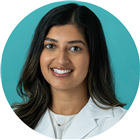
Who is a cardiologist?
A cardiologist specializes in the treatment of your heart and blood vessels. They are trained to prevent or treat a variety of cardiovascular issues. Cardiologists are also known to specialize in specific ailments you might have had since birth, such as irregular heart rhythms or heart disorders. Cardiologists can treat chest pain, high blood pressure, heart failure, and other cardiac and vascular diseases. They can perform tests, like electrocardiograms, echocardiograms, and CT scans, to diagnose the issue. Cardiologists can also prescribe medication, advise you to adopt lifestyle changes, or do a heart catheterization based on their diagnosis.
What does a cardiologist do?
Cardiologists perform physical examinations and interpret your symptoms, medical history, and family history to offer insight into your cardiovascular health or confirm a diagnosis. It is critical to inform your cardiologist if your family members have had heart problems, as this can increase your chances of having cardiac trouble. Some other essential information you can give your cardiologist to help address your cardiovascular health include:
- Your weight
- Blood pressure levels
- Cholesterol levels
- Blood glucose (sugar) levels
Your cardiologist will also want to know if you smoke, how much exercise you get, what you eat, and what medications you are on. Your cardiologist will consider all of this information and any subsequent findings to determine your risk factors for cardiac disease.
Education and training of cardiologists
Cardiologists attend medical school before they specialize in cardiology. To become a cardiologist, an individual must finish at least ten years of medical training. This includes four years in medical school, three years under internal medicine residency, and three years of specialized cardiology medical training. They must then pass an American Board of Internal Medicine cardiovascular disease exam.
Different types of cardiologists
Different types of cardiologists exist, each specializing in distinct aspects of heart and vascular issues, such as cardiac imaging or cardiac rehabilitation. Although all cardiologists possess expertise in comprehending heart and blood vessel matters, they can further specialize in specific areas. These specializations encompass clinical cardiology, heart failure management, interventional cardiology, cardio-oncology, congenital heart care, cardiac imaging, peripheral interventional cardiology, preventive cardiology, cardiac rehabilitation, electrophysiology, geriatric cardiology, cardio-rheumatology, sports cardiology, and critical care cardiology.
What conditions do cardiologists treat?
Cardiologists can help avoid and treat a variety of heart and vascular issues, including:
- Atherosclerosis
- High cholesterol.
- High blood pressure.
- Angina (chest pain).
- Sudden cardiac arrest
- Heart attack.
- Blood clots
- Heart failure
- Heart rhythm disorders
- Endocarditis
- Cardiogenic shock
- Cardiomyopathy
- Heart valve problems
- Heart abnormalities
- Congenital (from birth) conditions
- Myocarditis
- Problems with the aorta (aneurysm, stenosis)
- Stroke
- Complications related to the arteries (subclavian artery disease, peripheral artery disease, renal artery disease, coronary artery disease)
When should you visit a cardiologist near you?
Any heart-related symptoms may require a visit to a cardiovascular specialist. You should consult a cardiologist if you have the following:
- Breathing problems: You should consult a doctor immediately if you struggle to breathe because this could indicate a heart condition.
- Dizziness: Dizziness is best described as a swirling or spinning sensation in the brain. It can indicate various medical concerns, such as heart disease or unstable blood pressure.
- Fainting symptoms: Insufficient blood supply to the brain causes fainting, defined as a brief loss of consciousness. Dizziness and lightheadedness are common warning signs that someone is about to faint.
- Chest ache: Chest pain, commonly known as angina, usually occurs when your heart lacks oxygen. The pain might occasionally radiate to the shoulder, arm, or jaw. While angina may not cause every chest pain, you should always talk to your doctor about it.
- Intense fluttering in the heart: Heart flutters can appear as the heart skipping a beat, an erratic beating in the chest, or a pounding heart. Fluttering sensations may indicate cardiac illness or other problems, so you should discuss it with your doctor.
What tests does a cardiologist perform?
At a cardiologist appointment, you can expect the following activities. The cardiologist will perform a physical examination focusing on listening to your heart to assess blood flow and detect irregular heart rhythms.
A cardiologist can order the following tests, but other healthcare practitioners may perform some of these tests:
- Chest X-ray
- Cardiac catheterization
- Cardiac CT (computed tomography)
- Electrocardiogram (EKG)
- Cardiac MRI (magnetic resonance imaging)
- Stress tests
- Transesophageal echocardiogram (TEE)
- Coronary angiogram
- Echocardiogram
- Holter monitor
- Event monitor
- Implantable event recorder/implantable loop recorder
What should you anticipate during an appointment with a cardiologist near you?
You should provide information about your family's medical history and health background. The cardiologist will inquire about any heart-related issues in your immediate family, such as siblings or parents, as this knowledge assists them in identifying potential heart conditions.
Your healthcare provider may pose the following questions:
- How long have you been experiencing these symptoms?
- What is the nature of your symptoms (e.g., mild or sharp pain)?
- What were you doing when your symptoms initially occurred (e.g., resting or exerting yourself)?
- Are there any actions or factors that alleviate your symptoms?
- Have you undergone any previous heart procedures or surgeries?
- Do you possess any records of prior heart scans?
- What medications are you currently taking?
If the cardiologist's facility has the necessary equipment, they may perform an electrocardiogram to assess your heart's rhythm quickly. Additionally, they may schedule a separate appointment for more extensive tests requiring specialized scanning machines found in hospitals.
Questions to ask your cardiologist
Whether you visit a cardiologist regularly or are just starting, preparing questions ahead of the appointment can lead to a more effective appointment. Here are some questions you can ask your cardiologist:
- Am I at risk for cardiac problems in the future?
Your cardiologist will assess your present health and determine your risk of developing heart disease, stroke, and other issues. Understanding your risk will allow you to modify your lifestyle to improve your heart health.
- Which tests are you ordering?
Knowing why your cardiologist has ordered a test allows you to ask more questions and prepare more effectively for each test and subsequent appointment.
- What should be my ideal blood pressure level?
Knowing your optimum blood pressure can enable you to track any changes if you take your own blood pressure at home.
- Are there any activities I need to refrain from?
Exercise improves your overall health, but if you are suffering from a heart disease, your cardiologist may advise you to avoid specific activities.
- How has my family history affected me?
The risk factors for heart ailments can be related to your family history. Knowing if a family member has suffered from heart disease will allow your cardiologist to diagnose and manage your care properly.
- What treatments are available?
Knowing what treatment alternatives are available to you will help you determine what medications, treatments, or lifestyle changes you may require in the future.
- What symptoms indicate that my health is worsening?
Some symptoms of heart conditions may vary depending on the situation and person. It is critical that your healthcare provider explain any concerning symptoms unique to you.
Heart-healthy food
The National Heart, Lung, and Blood Institute recommends the following foods for a healthy heart:
- Vegetables: Lush greens, broccoli, and carrots
- Fruits: Apples, bananas, and oranges
- Whole grains: Plain oatmeal, brown rice, and whole-grain bread or tortillas
- Fat-free or low-fat dairy products: Milk, cheese, or yogurt
- Protein-rich foods: Fish, lean meats, eggs, nuts, and legumes
- Oils rich in monounsaturated and polyunsaturated fats: Canola, corn, olive, safflower, sesame, sunflower, and soybean oils
- Food rich in monounsaturated and polyunsaturated fats: Nuts, nut and seed butter, salmon and trout, avocados, and tofu.
How to find the best cardiologist near you?
You must consult a cardiologist occasionally to confirm that you are not at risk of heart disease. Depending on your exact condition, you may require a cardiologist specializing in your ailment. Your primary care doctor (PCP) can refer you to a cardiologist. Still, you might feel uncomfortable with this arrangement, possibly because of the requirement to travel or find a suitable appointment. In such cases, you can visit the Zocdoc website to find the best cardiologists in Middletown, New York.
On our convenient and user-friendly website, you can find a list of the top-rated cardiologists nearby. You can also find in-network doctors that cater to your particular insurance plan.
Since the list of cardiologists in and around your area may be extensive, you can narrow it down to your preferences using search filters. You can specify the reason for your visit, preferred travel distance, and consultation date and time. You can also choose the provider based on gender, language, hospital affiliations, and whether they treat children or adults.
When your requirements generate search results, you can go through the individual profiles of doctors to obtain more information about them. Physician profiles contain relevant information on their education and training, board certifications, clinical interests, etc. You can also learn more about each expert by reading the verified reviews written by their previous patients to make a better choice.
When you book an appointment on Zocdoc, you will need to provide your insurance information or confirm that you are paying out of pocket. Some doctors may ask for your insurance information when you book appointments with them. If you do not have insurance or do not want to use it for your appointment, look for another provider on Zocdoc. Contact Zocdoc's patient help center for any insurance-related queries.
Once you have chosen a cardiologist near you, schedule an in-person consultation or an online appointment facilitated via a video call. Booking with Zocdoc is easy, secure, and 100% free!
Cardiovascular condition statistics in New York
Cardiovascular diseases (CVDs) are a variety of illnesses caused by plaque buildup in arteries, such as coronary artery disease, chest pain, heart attacks, and strokes. According to data published by the Centers for Disease Control and Prevention, heart disease - a type of CVD - was the leading cause of death in the US in 2020. That same year, stroke - a cardiovascular disease that can cause paralysis, speech impairments, and emotional disorders - was the fifth-leading cause of death in the US. Coronary heart disease (CHD), the most common type of heart disease, kills approximately 382,820 individuals annually. About 805,000 Americans suffer from heart attacks every year.
According to data published by the New York State Department of Health, CVDs accounted for 32% of all deaths statewide in 2020. Around 7.3% of New York State adults reported a heart attack, angina/coronary heart disease, or stroke in 2020. An estimated 18.9% of New Yorkers aged 65 and older reported having some CVD in 2020. Every year, about 6,000 people die from stroke in New York. According to data published by America's Health Rankings, New York ranks 16th in the prevalence of cardiovascular diseases by state.
These facts highlight how various heart conditions can be fatal. It is essential to actively maintain a healthy diet and workout routine to prevent heart disease risks.
Sources
Cleveland Clinic
WebMD
Centers for Disease Control and Prevention[1]
Centers for Disease Control and Prevention[2]
New York State Department of Health
America's Health Rankings
University of Iowa Health Care
National Heart, Lung, and Blood Institute