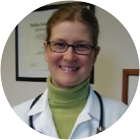
What is an internist? What are their core responsibilities?
Internists, also called internal medicine physicians, specialize in treating internal organs, including the heart, liver, lungs, and kidneys. They can also provide preventive care and treat ear and skin infections. Unlike family physicians, who treat children and adults of all ages, internists primarily address adult health issues.
Internists play diverse roles in a patient's healthcare journey. Some of their responsibilities include:
- Provide adult vaccines such as diphtheria, tetanus, hepatitis A & B, and flu.
- Providing therapeutic treatments and injections for pain management
- Conducting health screenings and diagnostic procedures
- Performing minor procedures such as removing foreign bodies from eyes and skin, laceration repair, and excision of skin lesions
Education and training of internists
To become a certified internist, one must acquire a medical degree and a three-year residency training program. Aspiring internal medicine physicians must complete a bachelor's degree from an accredited college or university. Students must learn biology, chemistry, physics, etc., as part of their bachelor's program. Some students join pre-medical organizations or community health centers to gain a competitive edge in medical school.
One must take the Medical College Admissions Test (MCAT) to enroll in a four-year medical program. This program provides an advanced M.D. (Doctor of Medicine) or D.O. (Doctor of Osteopathic Medicine). During the first two years of medical school, students learn, via classroom training, disciplines such as histology, pathology, psychology, biochemistry, and ethics. They must also prepare for and pass the mandatory Objective Structured Clinical Exams. During the last two years of school, students gain practical knowledge via clinical rotations and learn about various specializations, including internal medicine.
Then, to become internists, doctors must undergo a three-year internal medicine residency program. The residents spend about 70% of their time in medical settings, learning the various aspects of general adult care and different subspecialties. Upon completing the residency, they must secure a license to practice internal medicine per the state rules.
Some internists choose to specialize further in fields based on their clinical interests. These include gastroenterology, cardiology, rheumatology, endocrinology, genetics, hematology-oncology, pulmonary/critical care, nephrology, sports medicine, etc. For this advanced specialization, they must take fellowship training.
Possible career paths for internists
Internists are primary care doctors who can further specialize in various fields. Internal medicine physicians may also address patients' concerns in different medical settings. They may select the following career paths:
- Traditional general internists: These medical professionals treat many adult ailments. They are experts in diagnosing health problems, treating chronic illnesses, and preventing diseases. They are not limited to looking after one type of medical issue or organ system. General internists frequently provide care for patients throughout their adult lives, developing long-term personal connections with their patients. While offering and prioritizing continuing care, traditional internists balance their time treating patients in hospitalized and ambulatory settings.
- Hospitalists: These internists specialize in the care of hospitalized patients. They focus on clinical management and pay extra attention to the quality of care and the safety of the patients. Some hospitalists start their private practices right out of residency, while some work for years in conventional primary care settings before choosing this path.
- Ambulists: These internists treat patients in an outpatient or ambulatory (office) setting.
Subspecialties of internal medicine
The various internal medicine subspecialties include the following:
- Sports medicine: The subspecialty focuses on illnesses, injuries, and other health problems affecting athletes and sports persons and their physical fitness. These specialists provide care to people with chronic health issues such as diabetes, arthritis,and obesity helping them lower their health risks and improve their fitness.
- Cardiovascular disease: As the name suggests, these specialists treat those with acute and chronic cardiovascular conditions like congestive heart failure, chronic coronary heart disease, acute myocardial infarction, arrhythmia, and other congenital heart diseases.
- Gastroenterology: The specialists undergo advanced training and do extensive research to detect and treat gastrointestinal tract and liver disorders.
- Endocrinology: This subspecialty focuses on hormonal regulation of various body parts, such as the ovaries, testes, pituitary, thyroid, pancreas, adrenals, and their target tissues. Hormonal imbalance can lead to systemic ailments, causing severe complications. Moreover, endocrinologists help manage neoplasia in the endocrine tissues.
- Hematology: Specialists in this branch can diagnose, treat, and prevent disorders affecting the blood, bone marrow, and vascular systems.
- Nephrology: The subfield deals with kidney disorders, such as those affecting kidney function, fluid and electrolyte homeostasis, the formation of kidney stones, and the regulation of blood pressure. Nephrologists diagnose and treat conditions that can lead to kidney failure, such as polycystic kidney disease and diabetes mellitus.
- Infectious disease: Specialists in this field diagnose and treat contagious diseases and often practice general internal medicine.
- Pulmonary disease: These specialists treat patients with lung diseases in both outpatient and inpatient settings.
- Medical oncology: Medical oncology specialists deal with cancer diagnosis, management, and treatment.
- Rheumatology: Rheumatologists diagnose and treat arthritis and other diseases affecting the muscles, joints, and bones.
- Allergy and immunology: This subspecialty focuses on preventing, diagnosing, and treating problems with the immune system.
- Adolescent medicine: Specialists in this field focus on the psychological, physical, social, and sexual development of young adults.
- Geriatrics: This subspecialty focuses on the health and well-being of older adults. Doctors study aging-specific conditions, including preventive medicine, geriatric assessment and rehabilitation, and patient management in long-term care settings. Geriatricians also address the legal, economic, ethical, and psychosocial issues affecting elderly patients.
Primary care practitioner vs. family physician vs. internist
When you are sick, either with the flu or something more severe, your first point of contact is a PCP or a primary care practitioner. A primary care practitioner refers to any of the following medical professionals:
- family medicine practitioner
- nurse practitioner
- physician assistant
- internist
- pediatrician
- Geriatrician
PCPs are trained to treat people of different age groups for various health conditions, including prevention and maintenance. They will refer you to a specialist if a condition is beyond their scope. For most healthcare needs, a visit to your PCP is sufficient.
A family medicine practitioner, commonly known as a family physician, is trained to care for a person from childhood to older adult. Family physicians complete four years of medical school and three years of residency training.
People commonly see them for treatment and care for minor problems like bronchitis and significant concerns like high blood pressure. This doctor also treats other members of the same family and may be able to anticipate potential genetic issues. A family physician aware of your personal and family medical history can be exceptionally comforting for many people. If the condition is beyond their scope of training, they would refer you to a specialist and monitor your condition.
On the other hand, an internist is a doctor who only cares for adults. They treat the most common medical issues, from sprains and strains to diabetes, and would refer you to a specialist if your condition is beyond their scope.
Internists also complete four years of medical school and three years of residency, including adult medicine specialties, from cardiology to palliative care. An internist is the first point of contact for any adult needing medical treatment or supervision. See an internal medicine doctor for minor issues such as a broken wrist or a sinus and for treatment and management of severe conditions such as diabetes and heart disease.
Reasons to see an internal medicine doctor
You can choose an internist as your primary care provider. They are often an individual's first point of contact in the healthcare system and can offer routine and specialty care. For example, an internal medicine doctor who chooses cardiovascular disease as their subspecialty can treat several heart conditions. In contrast, an internist specializing in pulmonary disease can treat issues affecting the respiratory system.
You can visit an internist near you for the following reasons:
- Digestive problems such as abdominal pain
- Chest pain
- Flu or common cold
- Adult annual checkups
- Breathing problems
- Management of complex or chronic conditions like heart disease and diabetes
- Allergies
- Preventive medical care, such as screenings and immunizations
- Fatigue
- Sinus problems
- Fever
- Migraines
- Advice on what lifestyle changes to adopt to manage your condition
- Infectious diseases like hepatitis or HIV
- Arthritis
- Memory problems
- Trouble with sleeping
Procedures performed by internal medicine physicians
Internal medicine doctors are the first point of contact for adults who have undiagnosed health concerns. Since these physicians have specialized training in various aspects of medical care, they offer treatment and management of different acute and chronic conditions. Some of the common conditions treated by internists include:
- Acute illnesses like the flu, common cold, pneumonia, and strep throat
- Cardiovascular diseases
- Hypertension
- Neurological conditions such as multiple sclerosis and migraines
- Blood disorders such as hemophilia and anemia
- Digestive disorders such as ulcers, inflammatory bowel disease, and gastritis
- Immunologic conditions such as allergies and asthma
What to expect at your first internist appointment?
Whether it's your first visit to an internist near you or you have not seen one in a long time, you can expect your internist to record your basic health information first. It includes taking your vital signs (heart and respiratory rate), blood pressure, height, and weight. Your internist will also ask you about your personal and family medical history. It will help them assess your symptoms better and make an accurate diagnosis.
Further, it is crucial that you tell your internist about any medications you've been taking (including over-the-counter supplements and medicines), allergies to prescription drugs or foods, surgeries you've undergone in the past, and previous laboratory or imaging tests.
After understanding your medical history, your internist may conduct a general physical examination. It involves:
- Observing your general appearance, including your posture, gait, and motor reflexes
- Examining your skin and nails
- Check your eyes, nose, mouth, and ears for signs of infections and other conditions
- Depending on your symptoms, your internist may conduct a genitalia or rectum exam.
- Palpitating or touching your abdomen for abnormalities and signs of gastric issues
- Check your heartbeat for any irregularities, a heart murmur, or other abnormalities
- Listening to how you breathe to check for wheezing, shortness of breath, and crackling sounds
Your internist will want to investigate your issue further based on your symptoms. They may recommend bone density tests, blood tests like lipid panels, and imaging tests like X-rays, MRIs, and CT scans. You will then be asked to return for a follow-up visit with your test results.
Depending on your diagnosis, your internal medicine doctor can recommend medication or refer you to a specialist or a surgeon. Internists also often counsel patients on implementing healthier lifestyles. You can also express any mental health concerns to your internist. They will most likely refer you to a qualified mental health provider like a psychologist or psychiatrist.
How to find an experienced internist near you in Forest Hills, New York
If you are looking for an internal medicine doctor in Forest Hills, NY, visit the Zocdoc website. Create a free account on this platform and search for a doctor based on the condition you want treatment for or by the procedure. You can filter these results by location, specialty, gender of the doctor, languages they speak, and insurance coverage.
If you have multiple insurance plans for medical, dental, and vision, you can add them to your Zocdoc account. In the last step of the booking process, mention your secondary insurance plan for the provider in your notes. If your provider uses Zocdoc's Intake forms, you may add your secondary carrier and plan while completing online forms. However, it is essential to note that you can search for and book an appointment with only one insurance plan at a time. For more insurance information, look up Zocdoc's patient help center.
Zocdoc's advanced algorithm has a broad database of medical professionals, providing access to a comprehensive list of the best internists in your locality. To get more information about each practitioner, you can click on their profiles to find details on their educational qualifications, experience, licensure, years of experience, clinical interests, etc. Furthermore, check out the verified patient reviews and ratings to get insights from those who have previously consulted these doctors. Once you pick an internist near you, you can schedule an in-person visit or an online appointment as per your choice of date and time.
Zocdoc is an excellent platform for finding the right internal medicine doctor that fits your comfort and requirements. All bookings made on this website are simple, free, and secure!
Statistics on internists in Forest Hills, New York
The U.S. Bureau of Labour Statistics data states that there were about 67,220 internal medicine doctors in the country in May 2022. This figure roughly translates to a national average of about 992 internists per state. The most common settings for active internists were private practices (37,980), hospitals (19,600), and outpatient care centers (3,270). Private practices and outpatient care centers are both 'ambulatory.'
As per the same source, New York had the highest number of active internists (13,080), followed by California (7,150) and Texas (3,460). The top two states with the highest concentration of internal medicine physicians were the District of Columbia and New York. The New York-Newark-Jersey City metropolitan area, where Forest Hills lies, has the highest number of active internists (12,040) compared to other regions.
Sources
Doctorly
U.S. Bureau of Labor Statistics
Intercoastal Medical Group
University of Iowa Health Care
Healthline
American College of Physicians
Logansport Memorial Hospital
WebMD
Healthline
The University of Iowa Health Care