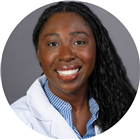
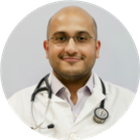
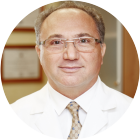
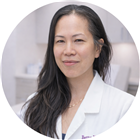
Who is an OB-GYN?
OB-GYNs, or obstetricians and gynecologists, specialize in preventing, diagnosing, and treating problems related to women's various biological functions, such as menstruation, childbirth, and menopause. In addition to caring for female reproductive health (including pregnancy and delivery), OB-GYNs provide routine medical services and perform screening tests.
Obstetrics encompasses the medical and surgical aspects of caring for women before, during, and after childbirth. OB-GYNs deeply understand pregnancy, labor, birth, and the postpartum period. During pregnancy, OB-GYNs perform routine checkups for pregnant women and medically and surgically treat any complications during pregnancy. They are experts at assisting labor and delivering children using natural and surgical means.
Gynecology refers to studying all conditions that affect the women's reproductive system. This branch of medicine includes the vagina, uterus, ovaries, and fallopian tubes. OB-GYNs help women from puberty through adulthood (the reproductive years) until menopause. OB-GYNs also have expertise in screening, diagnosing, and treating diseases affecting women's breasts.
What conditions do OB-GYNs treat?
Common conditions that OB-GYNs treat include urinary incontinence, urinary tract infections, breast disorders, pelvic pain, infertility, vaginal infections, endometriosis, abnormal bleeding, genital itching, and hormonal disorders. They also perform common surgical inpatient and outpatient procedures, including laser surgery, dilation and curettage, biopsy, hysterectomy (removal of the uterus), tubal ligation, and myomectomy (removal of fibroids).
OB-GYNs are also experts at performing several procedures during pregnancy, childbirth, and postpartum, such as in vitro fertilization, vaginal and cesarean section delivery, forceps and vacuum delivery, and amniocentesis. They also perform screening tests such as pap smears, pelvic exams, breast exams, cancer screenings, and mammography.
Educational qualifications of OB-GYNs in the U.S.
OB-GYNs provide consultations in various settings, such as private clinics, hospitals, nursing homes, or group practices. To become an OB-GYN in the U.S., one must complete the following steps:
- Four years of undergraduate degree
- Four years of medical school
- Four to five years residency in obstetrics and gynecology
- Three years of fellowship in any subspecialty
- Clear the board certification examination conducted by the American Board of Obstetrics and Gynecology
- Retake the board exam every six years to maintain the credentials
What are some OB-GYN subspecialties?
After completing medical school and a residency program, some OB-GYN doctors may choose to subspecialize in different areas of medicine. It may require additional post-graduate education and training. Some boarded OB-GYN specialties (as per the American College of Obstetricians and Gynecologists) include:
- Maternal-fetal medicine
- Female pelvic medicine and reconstructive surgery
- Gynecologic oncology
- Reproductive endocrinology and infertility
- Complex family planning
- Critical care medicine
- Hospice and palliative care medicine
How to prepare for your first visit to an OB-GYN near you?
Preparing for your first OB-GYN appointment can ensure a smooth and productive visit. It can help you feel more at ease and facilitate an open discussion about your sexual and reproductive health. It is natural to feel a bit uncertain or nervous, but there is no need to worry. Here are some tips to help you get ready for your OB-GYN consultation:
- Review your medical history: Familiarize yourself with your personal and family medical history. Your OB-GYN can use this information to provide care specifically tailored to your health needs.
- Prepare your questions and concerns: Write down any issues or questions you have before your appointment. It ensures that all your concerns are addressed during the consultation and that every important aspect is covered.
- Bring medication information: If you are on any medications, bring a list that includes their names, dosages, purposes, and any side effects you have experienced. This information helps the OB-GYN understand your current treatments and potential interactions.
- Follow pre-appointment guidelines: Consider abstaining from sexual activity at least 24 hours before your appointment. It helps ensure a more accurate examination, especially when checking for infections or conditions.
- Wear comfortable clothing: Since you might need to change into a hospital gown, choose loose-fitting clothing. It will make it easier to undress and redress and enhance your comfort during the visit.
- Arrive early for your appointment: Arriving a few minutes early for your consultation ensures you receive comprehensive care and have time to settle in. Aim to be at the clinic at least five minutes before your scheduled time. This allows you to relax, complete any necessary paperwork, and prepare mentally for your consultation.
What happens during an OB-GYN appointment?
An appointment with OB-GYNs typically begins with a general health checkup and routine physical examination, which includes recording weight and blood pressure and, sometimes, obtaining samples for blood and urine tests. Following this, the doctors record a detailed medical and surgical history and ask questions about family history.
OB-GYN appointments may also include a pelvic exam where the doctor examines all the female reproductive organs. The pelvic exam begins with an external examination of organs such as the vagina, vulva area, and vaginal opening. The internal examination involves inserting a speculum to open the vagina and then inspecting the walls of the vagina and cervix. A pap smear is often performed during a pelvic exam, where the doctor removes a sample of cervical cells using a small brush. You can also see a female gynecologist near you for routine checkups and physical examinations.
OB-GYNs also perform breast examinations and check for any abnormalities and lumps. In sexually active women, they also test for sexually transmitted infections using a cervical swab or blood samples.
Reasons to visit a gynecologist near you before age 21
Although the North American Society for Pediatric and Adolescent Gynecology advises that women start getting pap tests at age 21, teens and adolescents should see a gynecologist earlier. The American College of Obstetricians and Gynecologists (ACOG) suggests that girls have their first OB-GYN visit between ages 13 and 15.
Young adults and girls often do not feel comfortable discussing issues like periods, sex, and birth control with parents or other adult relatives. It usually leads to young patients gathering misinformation from friends and believing certain myths online, which can be dangerous and put their sexual and mental health at risk.
Seeing a female gynecologist near you before turning 21 can provide numerous benefits and opportunities for young women to understand and discuss important aspects of their reproductive health. Here are some key points to consider:
- Learn about healthy lifestyles and self-esteem: A female gynecologist can help you maintain a healthy lifestyle and feel good about yourself.
- Understand and treat common issues: Discussing vaginal discharge and urinary tract infections with your gynecologist will help you understand how to treat these conditions appropriately.
- Accurate information on sexually transmitted infections (STIs): Your gynecologist can dispel myths surrounding STIs and provide access to proper treatment when necessary.
- Menstrual cycle discussions: You can openly discuss your menstrual cycle with your gynecologist, including regularity, relieving painful periods, heavy bleeding, and managing premenstrual syndrome (PMS).
- Education on consensual relationships: Your OB-GYN can help you understand what it means to be in a consensual relationship and provide guidance on healthy relationships.
- Addressing gender identity and sexuality: Your gynecologist is a trusted resource to discuss struggles with gender identity, sexuality, and being a part of the LGBTQ+ community.
- Lowering the potential risk of sexually transmitted diseases (STIs): OB-GYNs can educate you on reducing the risk of STIs through safe practices.
- Evaluating risk factors: Your gynecologist can review your medical history to assess your risk for cervical cancer and certain genetic conditions.
- Puberty and hygiene education: OB-GYNs can provide valuable information on puberty and the importance of hygiene during this stage of life.
- Family planning discussions: You can discuss the ideal time to start a family and explore options for conceiving with your gynecologist.
- Confidentiality and support: Your gynecologist maintains confidentiality regarding your issues and can guide you towards appropriate resources and support, including situations related to home, child support, domestic abuse, or intimate partner violence.
By seeking guidance from a female gynecologist, young women can gain valuable knowledge, enhance their reproductive health, and build a trusting relationship focused on their well-being.
What is Asherman’s syndrome, and how can an OB-GYN diagnose it?
Asherman’s syndrome is a rare medical condition where scar tissue (also called adhesions) forms inside the uterus. The scar tissue buildup decreases the amount of open space inside the uterus. This can lead to symptoms like abnormal bleeding, pelvic pain, and fertility problems. The good news is that it’s treatable, and many people see improvement with the right care.
You can acquire this condition in several ways, including surgery, infections, and cancer treatments. Your risk of developing Asherman’s syndrome is higher if you’ve had uterine procedures like a hysteroscopy, a complicated D&C, or a C-section, as well as a history of pelvic infections or cancer treatments.
Common symptoms of Asherman’s syndrome include:
- Light periods (hypomenorrhea)
- Absent periods (amenorrhea) or irregular bleeding
- Severe pelvic pain or cramping
- Difficulty getting or staying pregnant
Some people may not have any symptoms. In some cases, you may also still experience normal periods. If you experience pelvic discomfort or unusual menstrual changes, it’s important to see a healthcare provider.
During your visit, your OB-GYN will review your medical history and perform a physical exam. They may also perform a sonohysterogram to check for scar tissue in the uterus.
Finding the best OB-GYN near you in Ridgewood, New York
Zocdoc is an excellent resource for finding highly qualified and experienced OB-GYNs. It allows you to filter OB-GYNs based on various criteria, such as your reason for consultation (symptoms or conditions), your doctor's specialty, your location, and your insurance plan. Zocdoc's platform then matches you with OB-GYNs who best meet your needs. You can easily book appointments either in person or online.
Each OB-GYN on Zocdoc has a detailed profile showcasing their educational background, years of training, specialization, fellowships, certifications, licenses, work experience, affiliations, and any awards received. The profile also includes the doctor's practice preferences, such as gender, languages spoken, preferred patient age group, and specific conditions they excel in managing.
Moreover, Zocdoc simplifies insurance queries by allowing you to select your current medical insurance plan from a drop-down menu listing all U.S. medical insurers. The platform instantly identifies in-network OB-GYNs near you, ensuring they accept your insurance for payment.
If you don't have insurance coverage or prefer not to use it for your appointment, you can still see a doctor. Select the "I am paying for myself" option when scheduling your visit. This choice gives you access to a comprehensive list of providers who offer self-pay consultations, allowing you to receive the care you need without the hassle of dealing with insurance.
You have the option to add medical, dental, and vision insurance plans to your Zocdoc account. However, you can only search for and schedule appointments with one insurance plan at a time. If you have multiple insurance plans, you can specify your secondary carrier and plan in the notes for the provider in the last step of the booking process. If your provider uses Zocdoc’s Intake forms, you can add secondary insurance when you fill out your forms online. For further information on insurance coverage, explore the FAQs section on the Zocdoc patient help center page.
Once you've selected a provider, you can even schedule an appointment in advance, on the same day, after 5 p.m., in the morning before 10 a.m., or even on the weekends, depending on your chosen provider's availability. All bookings on Zocdoc are fast, free, and secure!
Obstetrics and gynecology statistics in Ridgewood, New York
As per a U.S. Bureau of Labor Statistics report, as of May 2023, New York State had 2,350 OB-GYNs legally practicing, ranking second highest in the nation. New York's location quotient, which compares the number of OB-GYNs in the state to the national average, stands at 1.92.
According to a report published on the New York State Department of Health website, in 2020, approximately 84.0% of females in New York between 21 and 65 years underwent screening tests for cervical cancer.
The National Cancer Institute has released a study detailing the occurrence and death rates per 100,000 individuals in New York for breast and cervical cancer in the years spanning from 2016 to 2020. According to this report, during these years, the incidence rate for breast cancer was nearly 134, breast cancer (in situ) was around 42.2, and cervical cancer was approximately 7.4. During the same time, the mortality rate for breast cancer was almost 18.6, and for cervical cancer was nearly 1.9.
In 2024, the American Cancer Society projects approximately 19,160 new cases of breast cancer and around 840 new cases of cervical cancer among women in New York. The report also forecasts a higher number of deaths in 2024 due to breast cancer, with nearly 2,080 estimated deaths compared to about 180 deaths from cervical cancer in the state.
Sources
Healthline
WebMD[1]
WebMD[2]
U.S. Bureau of Labor Statistics
New York State Department of Health
National Cancer Institute
American Cancer Society
The American College of Obstetricians and Gynecologists[1]
The American College of Obstetricians and Gynecologists[2]
The American College of Obstetricians and Gynecologists[3]
The American College of Obstetricians and Gynecologists[4]
Nemours KidsHealth
Michigan Medicine
Houston Methodist
UChicago Medicine
Levin’s Women’s Health & Wellness Center
Cleveland Clinic