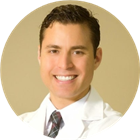
What are orthopedic surgeons?
Orthopedic surgeons can diagnose, treat, and prevent conditions and injuries that affect the musculoskeletal system, including the bones, joints, ligaments, tendons, and muscles. They can address common ailments like arthritis, back pain, and complex injuries such as fractures and dislocations.
These experts use several non-surgical and surgical techniques to treat their patients. Non-surgical treatments include medications, physical therapy, and other interventions to manage pain and promote healing. Surgical treatments may involve using tools and techniques to replace or repair damaged bones, joints, and other structures in the body.
Orthopedic surgeons often collaborate with physical therapists, occupational therapists, and other specialists to offer comprehensive care for their patients. They may also collaborate with researchers and medical device manufacturers to develop new treatments and technologies to improve patient outcomes.
Education and training for orthopedic surgeons in New Jersey
After completing a Bachelor's degree, aspiring orthopedic surgeons must attend medical school. Medical school usually consists of four years of study and involves coursework in anatomy, physiology, pharmacology, and other areas of medicine. Students must also complete clinical rotations, which provide hands-on training in various areas of medicine, including surgery.
Following this, aspiring orthopedic surgeons must complete a residency program. Residency programs in orthopedic surgery typically last five years and provide extensive training in surgical techniques and the diagnosis and treatment of musculoskeletal conditions. Residents work closely with experienced orthopedic surgeons and gain experience in various surgical procedures.
After completing their residency, orthopedic surgeons may pursue further training in a specialized area of orthopedics. For example, some may complete a fellowship in sports medicine or joint replacement surgery. This additional training allows them to obtain a specialization in a particular area of orthopedics.
Throughout their education and training, orthopedic surgeons must meet rigorous standards and pass various exams to become licensed practitioners. They must also maintain their knowledge and skills through ongoing education and training. This commitment to continuous learning ensures that orthopedic surgeons have the latest knowledge and techniques to deliver the best possible treatment for their patients.
Specialties within orthopedic surgery
Orthopedic surgery is a broad field encompassing many different specialties, each focusing on a specific area of the musculoskeletal system. Here are some of the main specialties within orthopedic surgery:
- Sports medicine: Sports orthopedic surgeons help diagnose, prevent, and treat sports and exercise injuries and conditions. They work with athletes of all ages and levels, from weekend sportspeople to professional athletes.
- Joint replacement: These surgeons specialize in replacing damaged or diseased joints, such as hips, knees, and shoulders. They use artificial implants to restore function and reduce pain for patients with arthritis and other conditions.
- Trauma: Trauma orthopedic surgeons specialize in treating complex fractures and injuries to the musculoskeletal system, including those caused by car accidents or falls. They use surgical techniques to repair damaged bones and soft tissues and help patients regain function and mobility.
- Spine surgery: Spine surgeons specialize in treating conditions that affect the spine, including herniated discs, spinal stenosis, and scoliosis. They may use surgical and non-surgical techniques to alleviate pain and improve mobility.
- Pediatric orthopedics: Pediatric orthopedic surgeons can diagnose and treat musculoskeletal conditions affecting children, including congenital abnormalities, growth plate injuries, and scoliosis. They work closely with parents and various healthcare professionals to care for children with orthopedic conditions.
Why should you visit an orthopedic surgeon near you?
You should visit an orthopedic surgeon if you experience pain, stiffness, swelling, or discomfort related to joint, muscle, or bone movement. A diminished range of motion is another indication to seek orthopedic care, as these specialists can assist in restoring your ability to move in specific ways. Orthopedic surgeons are crucial for addressing severe injuries, such as ruptured ligaments, tendons, or broken bones, that require more than a cast for healing. Athletes often consult orthopedic surgeons for injury recovery and prevention.
Long-lasting aches, pains, or loss of mobility, whether stemming from old injuries or developing over time, are reasons to see an orthopedic surgeon. Conditions like arthritis, bursitis, chronic muscle and joint pain, and non-cancerous and cancerous tumors affecting bones may require orthopedic intervention.
Even without a specific injury, individuals seek orthopedic care for issues related to bone and soft tissue due to longer-term illnesses. The treatment plan may involve surgery, medication, or physical therapy, providing comprehensive care for musculoskeletal health. Regular communication with your doctor is necessary for addressing and managing pain effectively.
What should you expect during the first visit to an orthopedic surgeon?
Once you have selected the best orthopedic surgeon near you, it is time to prepare for your appointment. Gather previous imaging studies related to your condition. Treatment reports from other providers are valuable; share records if you've seen another provider for the condition.
Bring a photo ID, insurance card, medication list, and any available imaging scans like X-rays or MRIs. Wear loose-fitting clothing; a sports bra may be helpful for female patients.
Arrive 15 minutes early for paperwork or inquire about advance forms. The appointment, led by an orthopedic specialist, athletic trainer, or nurse practitioner, involves discussing symptoms, medical history, and a physical exam. Activities like walking and bending help assess mobility. The surgeon may review previous X-rays and take new ones if necessary.
Your personalized treatment plan, discussed during the appointment, could include advanced imaging, pain-relief medications, injections, physical therapy, massage therapy, supports or braces, specialist referrals, or, for a small percentage, surgery. Some therapies may commence on the same day.
Before leaving, the surgeon will clarify follow-up steps, schedule appointments, provide referrals, and ensure you have the necessary prescriptions. This comprehensive approach guarantees a complete understanding of your orthopedic care plan.
Risks and complications of orthopedic surgery
Like any surgery, orthopedic surgery carries some risks and potential complications. Although these risks are relatively low, patients should know them before undergoing any orthopedic procedure, as their doctor recommends.
Infection is a likely risk of any surgical procedure, including orthopedic surgery. That's why patients may need to have antibiotics before and after surgery. Bleeding is another potential complication of orthopedic surgery. In some instances, patients may require blood transfusions to replace lost blood.
Orthopedic surgery can sometimes result in nerve damage, which can cause pain, numbness, or weakness in the affected area. Blood clots are a potential risk after orthopedic surgery, particularly in patients who are older, obese, or have other medical conditions that increase their risk of clotting.
Some patients may experience joint stiffness after orthopedic surgery, making it difficult to move the affected joint. Patients should report any concerns or symptoms to their healthcare provider promptly, as early intervention can often help prevent complications from developing.
Three tips on preparing for an orthopedic surgery
If your provider has recommended orthopedic surgery, you may feel stressed and anxious about it. Postponing or avoiding may not be an option as it can exacerbate your situation. Here are three tips to help prepare you for the surgery, achieve successful outcomes, and enjoy a smooth recovery:
Learn about your procedure
Most people feel apprehensive about orthopedic surgery because they might not know what to expect. Therefore, it is best to communicate your queries and concerns with your healthcare team before the surgery. Here are a few questions you can consider asking:
- Can you explain the procedure in detail?
- What are the benefits and potential risks?
- What type of anesthesia will you use?
- What are the pre-operative instructions to follow?
- Will I experience pain after the procedure?
- How long will it take to recover from the surgery? When can I return to my normal activities?
- Would you recommend any alternative treatments?
Get physically and mentally fit
Many lifestyle and diet changes can get you in good shape before the surgery. This way, you can reduce the risk of surgery complications and ensure quick recovery. Here are some effective strategies to follow:
- Exercise as recommended by your doctor to strengthen your body and reduce weight.
- Quit smoking and alcohol altogether.
- Keep yourself hydrated and consume nutritious homemade meals.
- Follow relaxation methods such as yoga, meditation, and deep breathing.
- Get good sleep every night.
Prepare your home and get support
You will likely need physical and emotional support on the day of surgery and during your initial recovery period. So, ask a family member, friend, or caregiver to be around for help with driving you to the hospital and back home, arranging for meals, bathing, and other daily activities. In addition to that, make sure your home is safe and comfortable for a smooth healing journey. Consider the below-mentioned advice:
- Remove excessive items lying around the house to avoid tripping on anything.
- Stock up your home with groceries, medications, crutches, shower chairs, wheelchairs, and other necessary items.
- Arrange for entertainment to pass the time.
- Spend quality time with loved ones.
Choosing the best orthopedic surgeon near you in Cherry Hill, New Jersey
When it comes to orthopedic health issues, it's essential to have access to the best orthopedic surgeons. If you need to find an experienced healthcare provider in Cherry Hill, New Jersey, Zocdoc can help you connect with the correct healthcare professional.
Zocdoc is an online platform that lets you find and schedule appointments with leading medical professionals, including orthopedic surgeons in Cherry Hill, New Jersey. You can quickly filter your search results by location, insurance plan, availability, and the type of orthopedic service you require. Whether you need a hip replacement, knee arthroscopy, or spinal fusion, Zocdoc can help you find a top-rated orthopedic surgeon.
Don't have a health plan? Don't panic. In the search bar, select "I'm paying for myself" to get a list of providers accepting patients without insurance. For more related information, check out the insurance FAQs on the Zocdoc patient help center page.
Each surgeon's Zocdoc profile contains detailed information about their education, qualifications, training, and experience, as well as their hospital affiliations and the languages they speak. You can also read verified reviews and ratings by past patients to make an informed decision about the healthcare professional you want to see. This way, you can feel confident about the orthopedic surgeon you choose to treat your health issue.
Once you've decided, you can schedule an appointment with your chosen orthopedic surgeon anytime. The platform will send you a reminder before your meeting. Moreover, you can reschedule or cancel your appointment online, so you don't have to worry about calling the office.
Overall, Zocdoc is an excellent resource for quickly and easily finding and booking appointments with top-rated orthopedic surgeons in Cherry Hill, New Jersey.
Booking an appointment with the right orthopedic surgeon near you through Zocdoc is simple, 100% free, and secure.
Orthopedic surgeons and musculoskeletal conditions in New Jersey, New York
In 2023, the U.S. Bureau of Labor Statistics reported the employment of approximately 14,820 orthopedic surgeons in the United States. Additionally, the rate of work-related amputations in 2019 was nearly 5.0 per 100,000 full-time employees in New Jersey, per a New Jersey Department of Health report.
A Centers for Disease Control and Prevention report indicated that in 2017-2018, among adults aged 50 and over, the age-adjusted prevalence of osteoporosis at either the femur neck, lumbar spine, or both was about 12.6%. Women had a higher incidence rate (nearly 19.6%) than men (about 4.4%). Additionally, the prevalence rate of low bone mass, a precursor of osteoporosis, was approximately 43.1%, with higher rates among women (nearly 51.5%) than men (around 33.5%).
Sources
WebMD
American Academy of Orthopaedic Surgeons[1]
American Academy of Orthopaedic Surgeons[2]
American Academy of Orthopaedic Surgeons[3]
MedicalNewsToday
National Institutes of Health[1]
National Institutes of Health[2]
New Jersey Department of Health
U.S. Bureau of Labor Statistics
Centers for Disease Control and Prevention
University of Utah Health
Yellowstone Sports Medicine
OrthoInfo
Paris Orthopedics and Sports Medicine