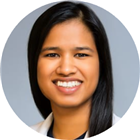
Who is a primary care doctor?
A primary care doctor or general practitioner helps you stay healthy by performing frequent checkups and diagnosing and treating illnesses, health conditions, or injuries. They treat people of all ages and offer medical care in different specialty areas. Also known as PCPs or primary care physicians, they practice general medicine. They can cure common ailments and function as the patient's initial point of contact for conventional medical care.
They can treat fever, cough, cold, rashes, minor injuries, nausea, minor wounds, boils, sore eyes, or infections. Some of the reasons to see a primary care doctor are ear pain, mild wheezing, a sore throat, body ache, or a persistent headache. They can help manage chronic conditions such as asthma, diabetes, arthritis, or cardiovascular diseases and address common everyday health concerns as well.
PCPs chiefly work in outpatient settings such as hospitals and clinics or have private practices. They can refer you to a specialist if needed. Since patients see PCPs often for various problems, they tend to develop long-term patient-doctor relationships with each other. The specialist keeps track of the patients’ and their families' medical history, lifestyle, and preferences.
Education and training of primary care doctors
Primary care doctors complete a minimum of 11 years of education and training. After graduation, they enroll in a medical school where they learn to diagnose and treat various illnesses and conditions.
Students learn physiology and anatomy for the first two years in medical school—mostly in classrooms and laboratories. The following two years involve practical training in medical settings such as hospitals and clinics. Here, students train under experienced doctors and do rotations in different medical areas, where they select their specialty area for residency.
On graduating, they receive a Doctor of Medicine (MD) or Doctor of Osteopathy (DO) degree from medical school. On completing medical school, they pursue a three-year (or longer) residency in gynecology, internal medicine, family medicine, or pediatrics. PCPs can begin practice after completing residency and clearing a rigorous state-level licensure examination. They must continue learning and updating their knowledge throughout their career to know about the latest developments in their field.
Some primary care doctors prefer to specialize further by doing a fellowship in a specific area, such as preventive medicine or obstetrics. Gaining a fellowship is a gold standard in the medical field.
What are the various types of primary care doctors?
During their fellowship, PCPs can specialize in different areas that target a specific age group or illness category. Let us understand the various types of PCPs you may encounter:
- Obstetricians and gynecologists (OB-GYNs) treat women of all ages. They are experts in women's reproductive systems. They provide prenatal and postpartum care and help deliver babies.
- Family practitioners have finished a family practice residency and are board-certified. They have a broad knowledge of illnesses and know obstetrics and minor surgery. They can treat people of all ages, from children to seniors, or in other words, they treat the entire family.
- Nurse practitioners and physician assistants undergo a different training and certification process than doctors but might serve as PCPs in some clinics.
- Geriatricians complete an internal or family medicine residency and obtain a board certification in geriatrics. They treat seniors with complicated medical requirements.
- Internists, or internal medicine doctors, complete an internal medicine residency and treat adults with illnesses or conditions of the internal organs.
- Pediatricians care for newborns, babies, kids, and teenagers as part of their practice.
- Adolescent medicine specialists are pediatricians or internists who treat teens.
Why should one visit a primary care doctor?
Primary care doctors can detect changes in their patient's health because they know their medical history. They are often the first to witness the beginnings of chronic illnesses or other acute problems because they are experts at noticing these symptoms. Thus, they can refer the patient to a specialist. Timely treatment can help avoid hospitalization and higher expenses as it can prevent the illness from becoming severe.
It would help if you visited a primary care doctor near you for a sudden illness, an injury, or when you want to manage a chronic condition. They can treat acute issues like bronchitis, cold, flu, and allergic reactions. Further, they can provide medical treatment, counseling, diagnostic and preventive care, and diabetes care. Moreover, they can check for cervical, breast, prostate, and colorectal cancers.
PCPs can check for signs of domestic violence, high cholesterol, depression, high blood pressure, and sexually transmitted diseases. They can also screen for heart disease and risk factors for developmental disorders.
What should one expect during a visit to a primary care doctor?
During the first visit, your primary care doctor is usually focused on providing your overall health information. They will want to review your medical and family history, which will help them determine your future risk for certain genetic or chronic diseases and offer timely preventive care. They will also check your vitals, blood pressure, weight, height, body mass index (BMI), and pulse. Drastic changes in these measurements can indicate a serious underlying health problem. Also, tell them about the symptoms you have been experiencing and their frequency and duration. Other details like not being able to sleep well, feeling unusually tired, smoking and drinking habits, how much you exercise, and if you have been on a particular diet can also aid your PCP in making an accurate diagnosis.
Your primary care physician will also assess your social environment and its impact on your health. Factors such as early childhood development, safe housing, clean water, food insecurity, economic policies, job security, education access, etc., shape an individual's health and living conditions. These non-medical factors are called social determinants of health (SDOH) and may impact a person's health more than their lifestyle choices. Understanding and screening for such issues using SDOH tools can help physicians improve patient outcomes.
If you are consulting your primary care practitioner in person, they might conduct a general physical exam. This typically includes a visual exam and screenings for the heart, abdomen, lungs, nervous system, and mental health.
Your primary care doctor may do the following during your physical exam:
- Check if your vaccinations and immunizations are up to date. These may include vaccinations for the flu, tetanus, HPV, COVID-19, hepatitis A and B, and other conditions.
- Use a stethoscope to listen to your heartbeat for irregularities and check your breathing. You will be asked to breathe normally and take deep breaths during this.
- An "otoscope", (medical instrument used to examine the inside of the ear canal for infections or other ear conditions), can be used to perform this procedure.
- Examine the mouth and throat using a tongue depressor and a light.
- Inspect your skin for any unusual moles, rashes, breakouts, or skin concerns you might have. This is to check for warning signs of skin disease or any other underlying health is
- Check for swelling of the lymph nodes on the side of your neck by gently pressing against them.
- If further diagnostic investigation is needed, your primary care practitioner will then recommend tests like CT scans, urine analysis, bloodwork, stress tests, colonoscopies, mammograms, and electrocardiograms (ECG). Based on your test results, your PCP will discuss treatment options or see whether you need a referral to a specialist.
In addition to a physical exam, your primary care doctor may also conduct mental health screenings as a part of your routine checkup. This screening may involve answering a questionnaire about your symptoms, which may be asked directly by your provider or may be provided beforehand. The questions could be about your feelings, mood, sleep, appetite, and other parts of your life. For example, to screen for depression, you may be given a PHQ-9 and PHQ-2, which are components of the longer patient-health questionnaire designed to understand the degree to which an individual has experienced a depressed mood over the past two weeks. While this questionnaire is not meant to be a final diagnosis, it can help determine whether a patient needs to be further evaluated for a depressive disorder.
What's the difference between primary care and emergency care?
Understanding the distinction between primary and emergency care is crucial when seeking medical attention. A primary care physician manages various medical conditions, offering routine checkups, preventive care, and addressing minor illnesses or injuries. They are your go-to professionals for maintaining overall well-being and providing guidance on lifestyle changes, immunizations, and screenings.
Conversely, one must avail emergency care for severe and life-threatening situations where immediate medical intervention is imperative. It includes:
- Indications of a stroke, such as slurred speech, facial drooping, or numbness on one side of the body
- Seizures, especially a first-time occurrence
- Chest pain and breathlessness (symptoms of a heart attack)
- Symptoms suggestive of a blood clot like deep vein thrombosis
- Instances of severe injury or excessive bleeding
- A rapid pulse, fractures, or broken bones
- High fever accompanied by neck stiffness or a rash
- Head injuries
- Moderate to severe allergic reactions
- Breathing difficulties or acute shortness of breath
- Loss of consciousness
- Unexplained confusion or disorientation
- Sudden alterations in vision
- Abrupt numbness in the arms, legs, or face
Awareness of these distinctions empowers individuals to make informed decisions about seeking the appropriate level of care for their specific medical needs, ensuring they receive timely and suitable attention for their health concerns.
What are some factors to consider when looking for a primary care doctor?
When choosing to visit a primary care doctor, it's crucial to consider various parameters that can positively influence your healthcare experience.
First and foremost, choose a provider you trust and feel comfortable with, as this relationship plays a pivotal role in managing your health effectively. If you're currently without a doctor, platforms like Zocdoc can assist in finding local options.
Practical considerations when choosing a primary care doctor include:
- Location: Consider proximity, such as whether your primary care doctor is near your home or office. Accessibility via public transportation should also factor into your decision, ensuring convenience for regular appointments.
- Office hours: Evaluate whether the doctor's schedule aligns with your or your family's needs. Look for flexibility, such as evening, weekend, or on-call availability, which can be crucial for managing unexpected health concerns.
- Board certification: Verify that the doctor is board-certified in their specialty. This certification confirms that they have undergone rigorous training and meet professional standards for providing quality care.
- Language and communication: Assess whether the doctor and their team can communicate effectively in your preferred language. Clear communication enhances understanding and ensures you can express your health concerns comfortably.
- Insurance coverage: Check which doctors are in-network with your health insurance plan. This option ensures that you can receive care without unexpected out-of-pocket expenses.
- Online accessibility: Inquire about telemedicine options and whether there's an online portal for scheduling appointments, viewing test results, and securely communicating with your doctor. This digital access can streamline healthcare management.
- Policies and support services: Understand the office policies regarding appointment cancellations, rescheduling, and any financing options available for procedures not covered by insurance. Clarity on these aspects can help you effectively manage your care's logistical and financial aspects.
By scrutinizing these factors, you can choose a primary care doctor who meets your medical needs and supports your overall healthcare journey conveniently and confidently.
Locate a primary care doctor near you in Missouri City, Texas
If you or a close family member has a sudden illness or injury and you are looking for a general practitioner, Zocdoc can help you find one. It can help you schedule an appointment with a local PCP in Missouri, Texas.
Create a free Zocdoc account and fill out the required information—location, symptoms, condition, and insurance plan. You can locate several PCPs who are highly qualified and reliable. With Zocdoc, you may also store and access your medical history whenever necessary. The insurance detector on Zocdoc also helps you to locate your insurance policy.
There's no need to worry even if you don't have insurance coverage. You can indicate that you are paying out-of-pocket by selecting the "I'm paying for myself" option. This option will provide you with an extensive list of providers who offer consultations without requiring your health plan details. Check out the FAQs on the Zocdoc patient help center page for additional insurance information and guidelines.
You can select from the local in-network providers available at your specified time. Zocdoc also lets you learn about their education, training, awards, accreditations, expertise, and experience. Patients often leave reviews after seeing health providers. As a result, relying on the reviews when making an appointment is safe because they are genuine and honest. You can also narrow the doctor's list by gender, language, hospital affiliation, pediatric care, etc.
Depending on the provider's availability, you can book appointments before or after office hours and even on weekends. Using Zocdoc, you can schedule in-person and virtual consultations with a primary care doctor near you—quickly, simply, and free of cost.
Statistics on primary care doctors and conditions they treat in Texas
According to a study published on the Cleveland Clinic website, health outcomes are better, and costs are lower in the states and regions with a higher primary care presence. Hospitalization rates are decreasing, and incidences of cancer, heart disease, and stroke are all declining.
Additionally, infant death rates are lower, birth weights are greater, and immunization rates for formerly lethal illnesses are higher. PCPs can assist with managing chronic disorders, including diabetes, asthma, arthritis, and cardiovascular diseases.
The city of Missouri is part of the metropolitan region of Houston-The Woodlands-Sugar Land, TX. According to a report by the U.S. Bureau of Labor Statistics, as of May 2023, 2,170 family medicine physicians, 970 general internal medicine physicians, 1,120 general pediatricians, 180 OB-GYNs, and 5,150 nurse practitioners were legally practicing in this part of Texas.
According to America's Health Rankings, in 2022, about 13.9% of the adult population in Texas had diabetes (excluding prediabetes and gestational diabetes). It was higher than the national average of 11.5%). In the state, males (14.4%) had more prevalence than women (13.4%) in receiving a diabetes diagnosis. The condition's incidence increased with age, with around 28.4% of those 65 and above suffering from diabetes. The percentage was lower in those aged 45 to 64 (about 19.2%) and those aged 18 to 44 (around 5.1%).
Further, about 22.2% of the state's adult population was diagnosed with some form of arthritis in 2022. Women (26.4%) were more likely to have the condition than men (18.0%). About 51.7% of those 65 and above had arthritis in Texas. The percentage was lower in those aged 45 to 64 (27.4%) and those aged 18 to 44 (7.9%).
Sources
Cleveland Clinic[1]
Cleveland Clinic[2]
National Library of Medicine
Nemours KidsHealth
America's Health Rankings[1]
America's Health Rankings[2]
WebMD
Healthline
U.S. Bureau of Labor Statistics
World Health Organization
American Academy of Family Physicians
WebMD[1]
WebMD[2]
OSF HealthCare
Cleveland Clinic[2]
Genesis Medical Associates
MedlinePlus
American Psychological Association