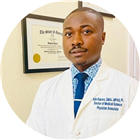
Who is a dermatologist?
Dermatologists are expert skin doctors and surgeons who can diagnose and treat more than 3,000 illnesses and problems affecting the skin, hair, and nails. Additionally, by examining your skin, they can spot any symptoms of an underlying medical condition, such as problems with your thyroid, stomach, or kidneys. They can perform surgical procedures such as removing moles, cysts, and skin biopsies. They can also provide cosmetic treatments such as fillers, Botox, and chemical peels.
Here are some standard procedures performed by dermatologists:
- Laser surgery uses specific beam lights to perform surgery.
- Electrosurgery uses high-frequency electric current to destroy or cut unwanted skin tissue.
- Excision surgery involves using a scalpel to cut away skin tissue.
- Cryosurgery uses extreme cold to freeze and remove unwanted skin tissue.
- Vein treatment involves laser and sclerotherapy treatments.
- Mohs surgery involves removing cancer cells from your skin layer by layer.
What kind of education and training do dermatologists receive?
Aspiring dermatologists must first complete their graduation and then enroll in a medical school, where they study and train for four years. The first two years of medical school involve gaining theoretical knowledge in classrooms and laboratories. During the following two years, they learn to diagnose and treat various illnesses under the guidance of expert specialists and doctors.
On completing medical school, students earn a Doctor of Medicine (M.D.) or a Doctor of Osteopathy (D.O.) degree. They must complete a one-year internship and a three-year (or more) residency program in dermatology. Some dermatologists prefer to study and train further by specializing in a specific area of dermatology.
Depending on the specialty chosen, dermatologists may also choose to become board-certified by clearing a stringent examination conducted by their respective boards. Those who clear this examination are highly skilled, qualified doctors and specialists.
Types of dermatology specialties
Some dermatologists pursue further education even after becoming board-certified, specializing in areas requiring advanced medical training.
- Dermatopathology: A dermatopathologist is a physician with expertise in dermatology and pathology who focuses on diagnosing skin conditions. They identify conditions like skin cancer and provide detailed findings in a pathology report, aiding the dermatologist in determining the appropriate treatment.
- Pediatric dermatology: A pediatric dermatologist is an expert in managing skin, hair, and nail conditions in children and adolescents. While all dermatologists can treat children, pediatric dermatologists often handle cases more prevalent in younger patients, such as birthmarks, port-wine stains and hemangiomas, and childhood acne.
- Medical dermatology: Medical dermatologists focus on diagnosing and treating severe skin conditions that may have systemic effects, meaning the disease or its treatment can impact other body parts beyond the skin.
- Surgical dermatology: These specialists are board-certified dermatologic surgeons skilled in skin surgeries, usually under local anesthesia. Procedures include the removal of cancerous tissue, hair restoration, scar removal, and various laser treatments, all typically conducted in an office setting.
- Cosmetic dermatology: Cosmetic dermatologists enhance the appearance of the skin, hair, and nails. They are trained to remove age spots, wrinkles, unwanted hair, cellulite, scars, tattoos, and stretch marks.
These subspecialties allow the dermatologist to provide targeted care, addressing specific patient needs with expertise and precision.
Can stress affect your skin?
There is a clear link between our mental lives and our physical health—including that of our skin. For instance, Rick Fried, M.D., says even the slightest fear of a social gaffe can cause us to blush. The response involves opening blood vessels, and this example illustrates the impact stress and other psychological factors have on our skin.
Stress is unavoidable in our daily lives. We may be stressed about various things simultaneously, including work, family, and relationships, even as we strive to keep negative thoughts at bay. Over time, stress (whether acute or chronic) harms skin health and can exacerbate several skin conditions. Therefore, you should pay attention to your body's warnings and consult a dermatologist if you've been experiencing mental distress.
Psychological stress appears to trigger or exacerbate a variety of skin illnesses, including atopic dermatitis and psoriasis. Acne, eczema, alopecia areata, lichen planus, seborrheic dermatitis, rosacea, and urticaria are other emotional skin disorders stress can affect. Notably, the pathophysiologic link between stress factors and cutaneous disease manifestation still needs to be understood. However, stress can lead to high blood pressure, headaches, and weariness. It can also impact the appearance of your hair, nails, and skin.
According to clinical research in healthy people, psychological stress can seriously disturb the top layer of the skin, also called the epidermal barrier. This layer seals in moisture and protects us from hazardous germs. At times, stress may also delay its restoration. An intact epidermal barrier is necessary for healthy skin; when damaged, it can cause irritation and chronic skin disorders. Stress also hurts the health of hair. Psychosocial stress, limiting the hair growth phase, can cause telogen effluvium (diffuse hair loss). Alopecia affects an estimated 80 million Americans—approximately 50 million males and 30 million women.
How can I manage stress and the well-being of my skin?
Stress management is significant for overall well-being and can positively impact your skin's health. Here are some tips to help you manage stress and promote skin health:
- Meditation and relaxation techniques: Meditation may help relieve stress and anxiety. There is limited evidence that mindfulness-based meditation can reduce stress. While not a substitute for professional care, you can easily include meditation into your daily routine. In addition, it may take your mind off stressful thoughts, such as those relating to work or politics. It helps you stay calmer throughout the day.
- Well-balanced diet: A good diet can assist in the maintenance of a healthy immune system as well as the repair of damaged cells. Some meals, such as polyunsaturated fats, omega-3 fats, and vegetables, may help manage cortisol levels. You may limit your intake of processed and deep-fried foods. Hearty yet proportionate quantities of green, leafy vegetables, fruits, nuts, beans, lentils, and peas can help you maintain healthy, beautiful skin.
- Exercise: Working out regularly can help you manage weight and even improve mood and self-esteem. Physical activity may also encourage you to consume a healthier diet. However, remember the following tips to prevent common skin conditions at the gym.
- Skincare: Using sunscreen, washing your face regularly, and avoiding harsh chemical-based products can help maintain healthy skin. In addition, avoid poking at pimples and consult a dermatologist near you if you notice a change of color, shape, or texture in a mole or skin growth.
If overwhelming or persistent stress adversely affects your skin health, consider seeking support from the best dermatologist.
Preparing for your first visit to the dermatologist
For your first visit to the dermatologist, consider the following detailed guide:
- Clean skin is crucial: Before heading to your appointment, thoroughly clean your skin and keep it makeup-free. This step allows the dermatologist to assess your skin condition accurately.
- Share your medical history: Start your first appointment with a comprehensive discussion about your medical history, including medications and any underlying health conditions. List any over-the-counter or prescription acne products you've used, as even seemingly unrelated details can be essential for your acne treatment.
- Expect professionalism: Your dermatologist should attentively listen to your concerns, conduct a thorough skin exam, and provide guidance. If you ever feel uncomfortable or disrespected, consider seeking a new specialist.
- Comprehensive skin examination: Be ready for a comprehensive full-body skin examination. It may involve disrobing and wearing a gown. While your primary reason for the visit might be acne, dermatologists often conduct thorough checks for other skin issues, such as examining moles for irregularities.
- New prescription: Your dermatologist will likely prescribe acne treatment medication following the examination. Ensure you understand how to use the medication, its potential side effects, and what steps to take if you still need to achieve the desired results.
- Multiple visits may be necessary: Resolving your acne may require several appointments. Acne treatment often involves a series of visits to find the most suitable treatment or combination. During follow-up appointments, your dermatologist will evaluate your progress, address any treatment side effects, and assess the overall health of your skin.
Dermatologist vs esthetician
Dermatologists diagnose and treat skin problems like acne, eczema, psoriasis, and skin cancer. They have the training to perform medical procedures, prescribe medications, and offer advanced treatments like laser therapy or chemical peels. Dermatologists can address both cosmetic concerns and severe skin conditions.
On the other hand, an esthetician is a skincare professional focused on improving the appearance of the skin through non-medical treatments. They perform facials, exfoliators, and extractions and offer skincare advice but do not diagnose or treat medical skin conditions. Estheticians work primarily in spas or salons and can help maintain healthy skin, but for medical issues, they refer clients to a dermatologist.
Therefore, while an esthetician focuses on cosmetic skin care, the dermatologist would have more profound expertise in handling cosmetic and medical skin concerns.
Questions you must ask to choose the right dermatologist
Choosing a dermatologist near you can seem daunting, given the number of providers. However, if you get specific about your requirements, it will become easier for you to filter out your options and match them with the right fit. You can ask the following questions to yourself before you begin your search for dermatologists:
- Do I have insurance coverage and prefer seeing an in-network provider?
- Do I prefer seeing a male, female, or non-binary dermatologist?
- Does the provider’s age, ethnicity, or religious beliefs matter to me?
- Should the provider and their staff know my language?
- Do I need a dermatologist who offers both in-person and virtual consultations?
- How far can I travel for the appointment? Should the provider’s office have a parking area or public transportation connectivity?
- What appointment days and times are most convenient for me?
Once you understand your preferences, it will significantly narrow down your options. You can then review their professional profiles and select the most suitable one. Here are some questions you can ask when evaluating potential dermatologists:
- Where did the dermatologist complete their education and training?
- Have they completed any fellowships?
- Is the provider board-certified?
- Do they have prior experience in treating your condition?
- Do they have positive patient ratings and reviews?
- Is their profile free from a history of malpractice?
Remember that finding a dermatologist who checks all the boxes and booking your initial appointment with them is just the first step. Next, you must reflect on your time with them and decide whether to continue the partnership or find a new provider. Here are some factors you should consider:
- What are the doctor’s fees, procedure charges, and other costs? Are they affordable or exceed your budget?
- Did you feel comfortable talking to the dermatologist?
- Was the visit rushed, or did you have enough time with the provider?
- Did they spend enough time understanding your situation?
- Did they encourage you to ask your queries? Did you get satisfactory answers?
- Was the provider respectful, caring, and non-judgmental?
- Do you think the dermatologist can resolve your concerns?
Looking for the best dermatologist near you in Phoenix, AZ
Researchers are still searching for the vital link between psychiatric disorders and skin disease. Nevertheless, according to the Global Burden of Diseases Study, skin illnesses are the fourth most significant cause of nonfatal disease. In addition, atopic illnesses result in a 59% greater risk of depression.
However, the care of a competent and friendly dermatologist can save you from the vicious cycle of bad mental health and flare-ups of skin symptoms. With Zocdoc, you can search for the best dermatologist in Phoenix.
Enter a specialty and location, and Zocdoc's powerful algorithms will display the best matching providers. Our providers will offer you the therapy, care, and attention you deserve. For your convenience, Zocdoc provides the following information on the providers:
- Accepted insurance networks
- Availability and timing
- Procedures and treatments provided
- Educational qualifications and board certifications
- Licensure and hospital affiliations
- Clinical interests
Moreover, if your insurance plan doesn't appear on Zocdoc, you can upload a photo of your medical insurance card. Zocdoc will scan the image to identify and display your likely plan. This feature is limited to medical insurance cards and does not include vision or dental coverage. If you encounter any problems while uploading the image, you can contact Zocdoc's support team for assistance.
In other words, you make an informed choice when you use Zocdoc. Our high-quality doctors also have verified customer reviews you can read before choosing. You may also book a virtual appointment, select a doctor as per gender, discover which languages they speak, and check whether they treat children. Depending on the dermatologist's availability, you can book an appointment during office hours, before 10 am, after 5 pm, and even on weekends.
Booking appointments with dermatologists near you is simple, secure, and 100% free with Zocdoc.
Dermatology statistics in Phoenix and Arizona
Melanoma is a cancer most commonly affecting the skin but can affect any body part with melanocytes. Melanoma was the sixth most prevalent cancer diagnosed among Arizonans between 2009 to 2014. The number of aggressive melanoma cases recorded in Arizona grew from 1,212 in 2009 to 1,690 in 2014.
The Arizona Melanoma Task Force's efforts to boost melanoma case reporting to the Arizona Cancer Registry resulted in a 39 percent rise in invasive cases. The average male and female age at diagnosis varies. When all age categories are combined, males account for most melanoma cases. However, females are diagnosed with melanoma at a higher rate between 20 and 50.
The Arizona Melanoma Reporting gives doctors the most up-to-date information on melanoma counts, gender, and age groups. It compares Arizona cancer rates to the SEER Registry and the rest of the United States and ranks melanoma among the top cancers. In the Phoenix Area, medical officers reported 1819 melanoma cases in 2015.
Sources
Mayo Clinic
National Library of Medicine[1]
National Library of Medicine[2]
National Library of Medicine[3]
Harvard T.H. Chan School of Public Health
Harvard Health Publishing.
American Academy of Dermatology Association
AZ Melanoma Reporting 2016 (Arizona Department of Health Services)
Arizona Melanoma Profile 2017 (Arizona Department of Health Services)
American Psychological Association
WebMD
Cleveland Clinic
Verywell Health
Healthline
Healthgrades
Krauss Dermatology
American Academy of Dermatology Association
National Institute on Aging