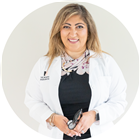
What is an OB-GYN?
An OB-GYN is a doctor with extensive and focused training in obstetrics and gynecology. OB-GYNs offer a comprehensive range of preventive care treatments such as pap screenings, ultrasounds, STI testing, pelvic examinations, and blood tests; they can also address questions regarding infertility, sex, reproductive health, pregnancy, etc. Although guidelines vary with age and conditions, it is recommended that women visit their OB-GYNs at least once a year.
What qualifications do OB-GYNs need?
All OB-GYNs are certified by the American Board of Obstetrics and Gynecology. To become an OB-GYN, one must complete the following tasks after completing their high school and undergraduate degree:
- Graduate from medical school: The first two years are devoted to general medical education, including human anatomy and physiology lessons. Medical students spend their last two years working as apprentices in hospitals or clinics.
- Residency: After completing medical school, a student may practice medicine under the guidance of an experienced medical professional; this period is typically called a residency. Doctors choose a specialization during their residency. The standard duration of an OB-GYN residency is four years; during that time, a resident gets to witness and execute various operations in their chosen specialty.
- Specialty exams: OB-GYNs must sit for specialty board exams following residency training. After two years, OB-GYNs must also undergo an oral test, during which six different doctors pose questions.
- Board certification: OB-GYNs who wish to earn additional board certifications may have to sit for further board exams.
- Continual improvement: Doctors must also fulfill state licensing criteria. It usually involves earning a specific number of continuing education credits each year.
Most OB-GYNs actively work to advance their profession and may also have advanced degrees. Some train residents or teach at medical colleges. Others contribute by collaborating with other doctors to perform research.
What's the difference between gynecologists and obstetricians?
An obstetrician attends to pregnant women and delivers newborns. Gynecologists hold expertise in the female reproductive system; they do not treat pregnant patients or assist in childbirth. OB-GYNs study both these branches of medicine.
Obstetricians treat a variety of pregnancy-related issues, such as:
- Preeclampsia
- Ectopic pregnancy
- Fetal distress symptoms
- Postpartum depression
- C-section deliveries
- Placenta problems
Gynecologists, on the other hand, identify and treat prevalent conditions like:
- Vaginal infections or tumors
- Irregular menstruation
- Ovarian cysts
- Pelvic diseases
- Vaginal and cervical polyps
What are the different areas in which OB-GYNs specialize?
OB-GYNs might choose to specialize in a field that requires additional training, experience, or certification. They can choose from seven recognized subspecialties, which include:
- Gynecologic oncology: These OB-GYN specialists assist and care for gynecologic cancer patients.
- Complex family planning: OB-GYNs with this subspecialty can provide appropriate reproductive care to women with complicated conditions; they also offer medications with consideration for family planning.
- Maternal-fetal medicine: These specialists care for pregnant ladies and newborns with complex health conditions.
- Hospice and palliative medicine: They primarily assist people with life-threatening diseases in living better lives with less pain.
- Critical care medicine: OB-GYNs with this subspecialty diagnose, treat, and support patients who are seriously sick or wounded.
- Female pelvic medicine and reconstructive surgery: These specialties provide critical medical and surgical care to women with pelvic floor disorders.
- Reproductive endocrinology and infertility: This subspecialty involves diagnosing and managing fertility issues and hormone imbalances.
Why should you visit an OB-GYN?
The American College of Obstetricians and Gynecologists (ACOG) states that women should have their first appointment with OB-GYNs between the ages of 13 and 15. It will help you to develop a relationship with your doctor during your teenage years. Routine visits will allow the OB-GYN to provide the necessary care throughout your lifetime. ACOG also urges women to visit OB-GYNs annually for well-woman examinations. It will help doctors to address gynecological issues early with the required treatments.
Accordingly, you must visit an OB-GYN near you if you experience the following issues:
- Painful or abnormal periods: Experiencing cramps and bleeding is normal during a menstrual cycle. However, abnormal periods can refer to heavy flow, longer menstrual cycles, and irregular bleeding spanning across multiple months. Other indications include bleeding between periods, lasting longer than a week, or heavy cramping before or during the cycle. Women can experience such periods due to stress, traveling, or medications. These menstrual cycles correct themselves in a few months. However, you must visit an OB-GYN if they significantly worsen over time.
- Pelvic pain: Women can experience pelvic pain during activities like sexual intercourse or strenuous physical exercises. It can make you feel bloated or have a sensation of heaviness in your abdomen. You may also experience nausea, vomiting, or fever in severe cases. Often, pelvic pain can be an indication of ovarian cysts, pelvic inflammatory disease (PID), or endometriosis.
- Menopause symptoms: Menopause is a natural phenomenon occurring in women during the late 30s or early 40s. The age may be different for each woman depending on various factors. Accordingly, they will experience specific symptoms during the onset of menopause. However, you must visit an OB-GYN near you if you experience abnormal symptoms like hot flashes, irregular periods, night sweats, chills, mood changes, and vaginal dryness.
- Urinary issues: Women can experience various urinary issues like urinary tract infections (UTIs) or urinary incontinence. These issues can affect one’s daily life and make one feel uncomfortable. Moreover, urinary incontinence can occur at any age due to reasons like childbirth or old age (50s and 60s). OB-GYNs can help by assessing the issue and prescribing the appropriate treatment.
- Endometriosis: Endometriosis occurs when tissue similar to your uterine lining grows on other parts of your body, such as your ovaries, fallopian tubes, intestines, rectum, and bladder. Its symptoms include painful menstrual cramps, pain during sex, heavy bleeding during your periods, spotting (light bleeding) between your periods, and stomach problems like bloating or constipation. Further, endometriosis is one of the leading causes of female infertility, as abnormal tissue growth can interfere with how sperm and eggs move to meet each other at conception.
- Ovarian cysts: Ovarian cysts are sacs full of fluid or semisolid material that grow on or within one or both of your ovaries. They are of various types, most of which are benign and do not cause symptoms. Rarely, ovarian cysts can cause symptoms like pelvic pain, pain during sex, painful periods, and bloating in your lower belly that might feel more pronounced on one side of your body. Lingering symptoms can also indicate a condition called polycystic ovary syndrome (PCOS), which causes hormonal problems like irregular periods, obesity, and infertility.
- Uterine fibroids: Uterine fibroids (also known as leiomyomas) are tissue and muscle growths that develop in or on the wall of your uterus. They are of various types, including intramural, submucosal, subserosal, and pedunculated fibroids. Most small growths do not cause any symptoms, while larger fibroids can lead to constipation, chronic vaginal discharge, lower back pain, and frequent urination.
- Incontinence: Incontinence is when you lose control over your bladder and/or bowel movements. It can be of various types, such as stress, urge, overflow, and mixed incontinence. Physical changes—such as a stretched uterus due to your baby growing and weakening pelvic floor muscles—during pregnancy can also lead to incontinence.
- Vaginal yeast infection: Vaginal candidiasis, or vaginal yeast infection, is a fungal infection. Its symptoms include vaginal pain and soreness, itching and irritation in your vulva and vagina, and a burning sensation during sex and/or peeing.
The role of an OB-GYN in your pregnancy
As soon as you learn you are pregnant, you should schedule an appointment with an OB-GYN. They can look after you and your baby from conception until a few months after birth. You should see your OB-GYN approximately seven to eight weeks after your last menstrual period.
As a result, you must see them once a month for standard check-ups. The visits will grow increasingly frequent as your due date approaches, bimonthly and weekly. Your OB-GYN will schedule a postpartum visit with you six weeks after giving birth to rule out any concerns.
During the prenatal period, your OB-GYN will concentrate on identifying and treating potential abnormalities through lab testing and examinations. Urinalysis, complete blood count (CBC), glucose tolerance test, fetal evaluations, ultrasounds, and other tests may be performed as part of these checks.
Your OB-GYN will assist you in managing morning sickness, gestational diabetes, infections, muscle aches and pains, and placental abruption while pregnant. They will also perform ultrasounds regularly to monitor your baby's growth and fundal height.
After your baby is born, the OB-GYN will monitor your bleeding, bladder function, bowel movements, and blood clots. If your recovery goes well, you should be able to return home one to four days after your delivery. Postpartum consultations with an OB-GYN primarily focus on postpartum depression, birth control, planning future pregnancies, addressing bleeding, ensuring your uterus has returned to pre-pregnancy health, and so on.
Many OB-GYNs have additional training and experience in dealing with high-risk pregnancies. These pregnancies are more likely to experience difficulties. If your OB-GYN believes your pregnancy is particularly high risk, they can send you to a maternal-fetal specialist.
How does the Roe vs. Wade decision affect the field of OB-GYN?
Abortion is vital for women's healthcare, according to a fact sheet from the Association of American Medical Colleges. As a result, the Supreme Court's decision to overturn Roe vs. Wade affects not only women but also OB-GYN residents and other medical trainees in all impacted states. The Roe vs. Wade ruling allows states to ban abortions before the age of 12 weeks.
This comprehensive prohibition of healthcare practice and its impact on medical education is unusual. It will have far-reaching consequences for OB-GYN residents, perhaps limiting their access to abortion training and other related reproductive procedures such as treating miscarriages, heavy uterine bleeding, and endometrial biopsies.
The lack of critical training provided to residents will impact the treatment they provide, as these procedures are often life-saving alternatives for many patients.
How to find a good OB-GYN near you in Levittown, NY?
Women often consult OB-GYNs regularly, much like with primary care doctors. Finding the ideal OB-GYN who meets your needs can be difficult. With Zocdoc, you can easily find your ideal OB-GYN in Levittown, New York, within a few minutes.
Zocdoc is a directory that lists eligible doctors based on location, symptoms, zip code, specialty, availability, and insurance. To find providers within your insurance network, you can update your insurance information on your Zocdoc account. You can also take a picture of your insurance card and upload it if you are searching from a tablet or smartphone. Check out Zocdoc’s insurance FAQs to learn more.
In just a few minutes, Zocdoc will use this data to quickly filter out many profiles to present you with the doctors who meet your requirements. Even if you are particularly looking for a female gynecologist near you, Zocdoc can help you quickly find one through its filters.
Each provider on Zocdoc has a profile that details their educational background, professional experience, accolades, areas of specialty, and expertise. Each physician profile on Zocdoc also includes ratings and reviews from previous patients. You can use these reviews to identify the best OB-GYN in your area.
Zocdoc allows you to schedule appointments both in-person and online. To find medical practitioners who offer online consultations, look for a purple video symbol on their profile or apply a video availability filter to your search results.
Whether you are looking for a female gynecologist near you or any other medical professional, Zocdoc makes booking an appointment quickly, safely, and completely free easier.
Pregnancy-related statistics in New York, United States
The U.S. Bureau of Labor Statistics’ quantitative report shows that around 21,570 obstetricians and gynecologists were actively providing services in the United States as of 2021. New York had the highest employment rate, with almost 2,240 practicing obstetricians and gynecologists.
According to statistics from the Centers for Disease Control and Prevention, preeclampsia affects around one in 25 pregnant women in the United States. About one in 12-17 pregnant women (aged 20 to 44) suffer from high blood pressure. Pregnancy may be affected by other medical disorders, such as diabetes. About 1% and 2%, respectively, of pregnant women in the U.S. suffer type 1 or type 2 diabetes.
The CDC's 2020 STD Surveillance Report stated that over 3,022 people died of primary and secondary syphilis, around 97,722 people died of chlamydia, and about 42,517 people died of gonorrhea. Nearly 30 people died of congenital syphilis in New York. These are sexually transmitted diseases that, if detected early enough, can be managed with medication.
Sources
St. George's University
Cleveland Clinic[1]
Cleveland Clinic[2]
Cleveland Clinic[3]
Cleveland Clinic[4]
Cleveland Clinic[5]
Cleveland Clinic[6]
Medical News Today[1]
U.S. Bureau of Labor Statistics
America's Health Rankings
Centers for Disease Control and Prevention[1]
Centers for Disease Control and Prevention[2]
Medical News Today[2]
Association of American Medical Colleges
Houston Methodist
WebMD
Mayo Clinic[1]
Mayo Clinic[2]