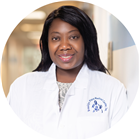
Who are OB-GYNs?
OB-GYNs train in obstetrics, which involves treating pregnancy-related conditions, and gynecology, which treats disorders of the female reproductive system. Discussing reproductive health can be highly intimate to individuals, and OB-GYNs manage health issues with the utmost professionalism and cognizance. They can conduct tests for sexually transmitted infections (STIs) and perform pelvic exams, pap smears, ultrasounds, and blood work.
OB-GYNs also offer consultation on pregnancy, reproductive health, and infertility, among other issues. They can also perform surgeries for pelvic organs and urinary tract problems. They can treat complex conditions like Polycystic Ovary Syndrome (PCOS) and endometriosis.
What kind of education and training do gynecologists receive?
To become an OB-GYN, one first earns a bachelor’s degree in math, biology, and chemistry. After this, they complete four years of medical school, learning theory in classrooms and laboratories for the first two years. The following two years involve learning to diagnose and treat illnesses and conditions under the guidance of expert doctors. They do this in medical settings such as hospitals and clinics.
Students earn a Doctor of Medicine (M.D.) or a Doctor of Osteopathy (D.O.) degree on clearing medical school. They must then do a four-year residency approved by the Accreditation Council for Graduate Medical Education (ACGME). All OB-GYNs must be certified by the American Board of Obstetrics and Gynecology (ABOG).
What are the areas of specialization for OB-GYNs?
Obstetrics and gynecology is a field that covers various subspecialties, each requiring additional fellowship training. The process usually involves participating in the National Resident Matching Program service and undergoing a thorough application and interview process. It's important to note that most subspecialties have distinct certification processes separate from the general OB-GYN boards.
- Breast disease: A one to two-year program specializing in comprehensive breast care, including surgical care for benign and malignant breast conditions.
- Global women’s health: A two-year program that focuses on providing comprehensive generalist care in the context of global resources, outreach, and policy development. Practitioners often provide care, develop systems, and create sustainable training and curricula in other nations.
- Complex family planning: A two-year program focusing on supportive abortion care and complex contraception counseling. It balances procedural/surgical practice and office counseling and care.
- Gynecologic oncology: a three to four-year program specializing in the comprehensive management of gynecologic cancers such as ovarian, endometrial, and cervical malignancies. While primarily surgical, providers also participate in chemotherapy and multidisciplinary care.
- Maternal/fetal medicine: A three-year program focuses on high-risk obstetric patients, including those with fetal anomalies, complex maternal health conditions, and severe pregnancy complications. Specialists in this field possess advanced ultrasound skills for diagnosis and management options.
- Minimally-invasive gynecologic surgery: A two-year program specializing in highly skilled surgical techniques for managing complex benign gynecologic conditions. Specialists often lead in the development of cutting-edge surgical techniques and technology.
- Reproductive endocrinology and infertility: A three-year program that deals with diagnosing and managing infertility, recurrent pregnancy loss, and complex endocrine conditions affecting the female reproductive system. Providers often offer advanced infertility services like in vitro fertilization.
- Female reconstructive pelvic surgery: A three-year program, also known as urogynecology, addresses conditions impacting the female urogenital tract, including pelvic organ prolapse and incontinence disorders. This field is highly surgical and procedural, involving in-office assessments and treatments.
- Pediatric and adolescent gynecology: A two-year program that provides gynecologic care for young patients, emphasizing routine care and diagnosing and managing abnormalities of puberty and development.
When do you need to see an OB-GYN?
It would be best to visit the best OB-GYN near you for annual preventive checkups, even when you are healthy. The doctor may conduct a pelvic exam and order some lab tests based on your age and health. Besides the annual checkup, you should visit the OB-GYN when you notice any changes in your reproductive cycle. These changes may be expected, such as during your first menstrual cycle, pregnancy, perimenopause, or menopause. You may also see abnormal changes like unusual cramping, pain during urination or intercourse, and changes in menstrual bleeding frequency.
If you are sexually active, your OB-GYN may be able to help you with birth control, safe sex tips, treatment, and prevention of sexually transmitted infections, pain during sex, abnormal vaginal discharge, and urinary tract infections. The doctor may also offer vaccinations for conditions like human papillomavirus. If you are or wish to get pregnant, an OB-GYN can help you with infertility treatments, advice on labor, birthing or diet, prenatal care, and genetic testing.
You may also visit an OB-GYN to address menstruation-related concerns, such as painful cramps, irregular bleeding, cysts and fibroids, and general advice. For those going through menopause, an OB-GYN may help address problems like hot flashes, incontinence, vaginal dryness, and low libido. Remember the following tips while preparing for your visit:
- Avoid scheduling an appointment during your period, especially if you have a pelvic exam.
- Hold off on hair removal until after your OB-GYN visit to prevent inflammation-related symptoms.
- Avoid douching, as vaginal odors help the doctor understand your hormonal balance.
- Keep track of your menstrual cycle with physical planners or mobile apps.
- Bring copies of your medical records.
- Bring a list of questions that you may have for the doctor.
If you feel nervous or embarrassed, remember that your OB-GYN is here to assess you clinically and without judgment. An ideal OB-GYN makes you feel safe and comfortable.
What can you expect at an OB-GYN visit?
According to the American Congress of Obstetricians and Gynecology (ACOG), girls should have their first OB-GYN visit when they are 13-15. However, visits during that age would only include general consultations and mostly no exams.
A typical OB-GYN visit will start with your doctor checking for your general health. They will check your vitals and perform a physical examination depending on your condition. For pelvic examination, you will have to change into a gown, and then the doctor will check your reproductive parts with a speculum device. The OB-GYN may recommend a pap test for signs of cervical cancer or other abnormalities. The doctor may collect urine/blood samples for testing. It is essential to speak with your OB-GYN to understand your condition and the treatment recommended. Your doctor will be happy to resolve your doubts.
Gynecological procedures and tests can help detect and prevent conditions before they become detrimental. Some commonly conducted tests and techniques include:
- Colposcopy: A colposcopy is a non-surgical procedure to examine the cervix, vagina, and vulva more closely. The doctor will use a magnifying instrument called a colposcope, take samples from the parts that appear concerning, and send them for testing.
- Dilation and curettage: In this procedure, the doctor will remove a part of the uterine lining with a suction device or curette to diagnose conditions like uterine cancer, uterine polyps, and endometrial hyperplasia (abnormally thick uterine lining).
- Hysteroscopy: It is a procedure that the doctor performs to diagnose and treat uterine problems. The doctor will insert a thin telescope-like instrument called a hysteroscope into the uterus, sending a picture of the uterus on the screen for examination. The procedure can also remove scar tissues from the uterus, determine the cause of repeated miscarriage, and locate an intrauterine device.
- LEEP procedure: LEEP or loop electrosurgical excision removes the abnormal uterine tissues on the cervix surface found during a pap smear. The doctor can perform it under local anesthesia.
- Cervical cryosurgery: If any abnormality is present in the cervical cells during a pap smear, the doctor would recommend performing follow-up procedures to treat the condition. One such procedure is cervical cryosurgery, which includes freezing a section of the cervix with abnormal cells and destroying it before it becomes cancer.
How do you find the best OB-GYN near you in Rego Park, NY?
Visiting an OB-GYN at least once a year will ensure you are healthy and identify any underlying abnormality before it starts affecting you. However, finding a qualified, experienced, and certified OB-GYN can be difficult, especially if you need to book an appointment quickly. Don't worry! Zocdoc is here to help you find the right OB-GYN for your medical needs.
To find an OB-GYN with Zocdoc, enter your condition, location, preferred date, and insurance details on the website. You can then access the best OB-GYNs in Rego Park. To refine your search, use the built-in filters to find practitioners by gender, hospital affiliations, availability, and languages they speak. Before selecting a practitioner, you can view their profiles to learn about their education, training, expertise, practice location, affiliations, awards, and clinical interests. In addition, you can also see verified reviews by past patients to help you pick the right practitioner.
Depending on the doctor's availability, you can book appointments for the same day, on weekends, and even after 5 pm. Zocdoc also allows you to book online consultations along with in-person visits.
Booking appointments with the best OB-GYNs near you on Zocdoc is simple, secure, and free!
Reproductive health screenings in New York, United States
Per the Centers for Disease Control and Prevention statistics for 2017-19, the mean age for the first menstrual period among women in the United States is 12.4 years. Moreover, around 41.4% of unmarried female teenagers between 15 and 19 had had sexual intercourse. This number indicates the need for awareness of safe sex practices. While considering different contraceptive methods, over 14% of women between 15 and 49 years were reported taking contraceptive pills, and 10.4% used reversible contraceptive implants.
The statistics also show that roughly 8.5% of married women in the same age category were infertile. Approximately 12.2% of females reported using infertility services. Further, almost 66% had pap tests in the last three years, and roughly 14.3 million medical visits involved ordering pap tests, showing awareness of preventive measures.
The New York State Department of Health showed that roughly 84.7% of women in the state received a screening for cervical cancer in 2018. Per the U.S. Bureau of Labor Statistics, New York had approximately 2,240 OB-GYNs employed as of 2021.
Sources
Medical News Today
WebMD
Verywell Health
U.S. Bureau of Labor Statistics
New York State Department of Health
The University of Illinois College of Medicine[1]
The University of Illinois College of Medicine[2]
Healthline
Health Central
Centers for Disease Control and Prevention[1]
Centers for Disease Control and Prevention[2]
Centers for Disease Control and Prevention[3]
Centers for Disease Control and Prevention[4]