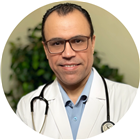
What is primary care? Who are primary care doctors?
Primary care delivers comprehensive, easily accessible health services by specific clinicians. It addresses most personal healthcare needs, along with long-term patient relationships. Furthermore, its practice is within one's family and community context. The care is team-based, person-centered, community-aligned, and designed to achieve better care, health, and lower costs.
Primary care doctors are internal medicine, pediatrics, or family medicine specialists. They provide definitive care and are generally patients’ first point of contact. Moreover, they prevent, diagnose, and treat conditions you may have throughout your life. You can locate a primary care doctor near you in various settings, including outpatient and inpatient hospitals, medical clinics, and long-term care facilities.
What is the education and training of primary care doctors?
Primary care doctors receive extensive education and training. They pursue a four-year undergraduate degree as the first step toward becoming a primary care doctor. Pre-medical courses like biology and chemistry are part of their undergraduate studies. After that, they enroll in a four-year medical program studying anatomy and physiology. They also participate in clinical rotations, which expose them to other medical specialties.
Upon completing medical school, they earn a Medical doctor (MD) or Doctor of osteopathy (DO) degree. After graduating from medical school, students undergo a residency of three or more years in internal medicine, family medicine, gynecology, or pediatrics. Many decide to become board-certified; hence, they finish a residency at an approved medical facility. After that, some primary care doctors complete a fellowship lasting one to three years. These are more specific to an area of focus, such as obstetrics or preventive medicine.
What are the different types of primary care doctors?
Primary care doctors treat many conditions, such as flu, asthma, hypertension, and cold. Knowing the different types of primary care doctors allows you to select the best one for your needs. The following are different types of primary care doctors:
- Pediatricians ensure the well-being of infants, children, adolescents, and young adults. They treat both mild and severe diseases and injuries.
- Internists only treat a wide variety of conditions in older adolescents and adults, including diabetes, high cholesterol, sinus infection, and heart disease.
- Family medicine doctors offer comprehensive healthcare services to individuals and families of all genders and ages. They treat problems like blood pressure, bronchitis, and obesity.
- Physician assistants focus on patient education, preventive care, and managing chronic (long-lasting) health issues. They can assist in surgery, develop treatment plans, and prescribe medication.
- Geriatricians specialize in treating the conditions of older adults, including depression, osteoporosis, cancer, diabetes, arthritis, heart failure, and others. They also identify mobility issues.
- Nurse practitioners provide primary, acute, and specialty care services independently or alongside a doctor. They also teach patients about medical conditions and their treatments.
Internists vs. primary care doctors
People often get confused between a primary care doctor and an internist and unknowingly use these terms interchangeably. However, as the information above clarifies, they are different. Internists are a subset within the larger umbrella of primary care.
Primary care focuses on everyday health, including wellness services like checkups, physicals, and vaccines and treating and managing day-to-day, non-urgent health concerns. Entire families can go to the same primary care doctor and build long-term relationships with them. In contrast, internal medicine is a medical specialty that provides complete and continuing healthcare to adults aged 18 and above.
A primary care physician is a patient's primary source for treatment related to medical concerns. They are medical practitioners with whom the patient has initial contact before being referred to a specialist. In contrast, internists promote health and provide preventive care to adults only. It includes recommended screenings and coordinating care with other specialists.
Reasons why you must visit a primary care doctor
You can summarize the importance of having a primary care physician for the following ten reasons:
- Provide comprehensive health care: Your primary care doctor provides holistic health care, addressing various physical, emotional, and mental health concerns in one central location. You can turn to them when you cough, feel anxious or depressed, or need information about a vaccine.
- Management of long-term illnesses: A primary care doctor helps you better manage chronic diseases such as diabetes, arthritis, and lupus. They assist in organizing and monitoring your condition through regular visits and routine tests.
- Attain a greater level of comfort for patients: Choosing a primary care doctor you trust and scheduling regular appointments with them leads to a higher level of comfort. Studies show that patients with primary care doctors report greater satisfaction than those without. Building a relationship with your doctor enhances the quality of your care.
- Make the complete health history easily accessible and transparent: Regular visits to your primary care doctor ensure transparency in your entire health history. This knowledge and your family health history are vital for disease prevention and early detection of severe conditions.
- Decrease overall expenses: Despite the perception of being tedious and costly, routine appointments with a primary care doctor reduce overall health costs. Research suggests that regular screenings, open communication, and a documented health history contribute to lower healthcare expenses.
- Regularly perform screenings for early detection: Routine screenings, such as blood pressure checks, play a crucial role in maintaining your health. These tests help identify symptoms before they worsen or lead to more severe health problems.
- Identify health problems early: Your primary care doctor, who knows you well, can identify and address other health issues in their early stages. In addition to routine screenings, they ask the right questions and utilize their familiarity with your health to detect potential problems.
- Direct patients to appropriate medical specialists as needed: When you need a referral to consult an ENT or cardiologist, your primary care doctor can provide recommendations. They understand your preferences and actively participate in your healthcare decisions.
- Minimize hospital and emergency room visits: Routine visits to your primary care doctor result in fewer hospitalizations and emergency room visits. Neglecting symptoms or delaying medical attention can lead to costly and overwhelming outcomes.
- Enhance communication between patients and healthcare providers: Effective patient-provider communication is essential for addressing your health needs. Openly communicating your concerns and preferences allows your doctor to provide appropriate care. Likewise, your primary care doctor should feel comfortable discussing their concerns and thoughts about your health with you.
What should one expect during the first visit to a primary care doctor near you?
During a typical appointment, your doctor will perform a physical examination. They will ask about your health history, lifestyle habits, medications, mental wellness, and other health-related concerns. The specific tests and procedures that your doctor performs will depend on the reason for your visit.
For example, your doctor may check your vital signs if you are coming in for a routine checkup. They will listen to your heart and lungs and examine your abdomen. They may also order blood or other diagnostic tests to screen for common health conditions. Once your PCP has diagnosed your ailment, they will prescribe medication or develop a treatment plan with you. This may involve medicine, lifestyle changes, or other therapies.
General health tips
Maintaining good health is essential for overall well-being; lifestyle changes can significantly impact health outcomes. Here are some general health tips to help you live a healthier life:
- Balanced nutrition: Prioritize a diet rich in fruit, legumes, vegetables, nuts, and whole grains. Limit sugary snacks and excessive salt intake. It helps prevent chronic diseases like obesity, diabetes, and heart disease.
- Regular exercise: Consistently exercise for at least 150 minutes weekly. Incorporate activities such as playing, jogging, working, doing household chores, or traveling to improve cardiovascular health, muscle strength, flexibility, and mental well-being.
- Drinking safe water: Staying hydrated throughout the day is important, but ensuring that the water you are drinking is safe is even more critical. Unsafe water can lead to issues like diarrhea, cholera, hepatitis A, polio, and typhoid. If you need more clarification about the safety of your water source, boil it for at least one minute and allow the boiled water to cool naturally before consuming it. This process eliminates harmful organisms present inside.
- Quality sleep: Focus on getting enough restful sleep each night. Sleep can affect mood, cognitive function, immune health, and overall energy levels.
- Stress management: Conditions like depression, anxiety, and more can be detrimental to overall health. Hence, keeping your mental health in check is vital. Practice stress-reduction techniques like deep breathing, meditation, mindfulness, or other hobbies and activities you enjoy. Manage your workload, set boundaries, and seek social support to cope with stressors effectively.
- Regular health checkups: Schedule routine visits with your primary care doctor for preventive screenings, vaccinations, and health assessments. Timely detection of health issues can lead to better treatment outcomes and disease prevention.
- Limit alcohol and avoid tobacco: Quit smoking and avoid exposure to secondhand smoke to reduce the risk of lung disease, heart disease, and other health complications. Limit alcohol consumption to protect liver health and reduce the risk of alcohol-related conditions.
How can you find the best primary care doctor near you in Bayonne, New Jersey
Connecting with your primary care physician can significantly aid in maintaining your health. Additionally, leading a healthier lifestyle and getting medications and screenings for disease when needed are essential. Primary care doctors can manage day-to-day health needs. However, finding the best primary care physician who fits your needs can be challenging.
To simplify the process, Zocdoc aims to match patients with the best provider possible. On your Zocdoc account, you can search for providers based on your symptoms, preferred location, date, and insurance plan. If you can't find your medical insurance plan on Zocdoc, upload a photo of your insurance card. Zocdoc will automatically scan the image and display the most likely plan. This feature isn't available for dental or vision insurance cards. If you face any issues while uploading the image, don't hesitate to contact Zocdoc's service team for assistance. Additionally, you can check out Zocdoc's patient help center for answers to any further insurance-related queries.
You can use in-built filters to refine the search to locate providers depending on the languages they speak, gender, affiliations with hospitals, and whether or not they treat children. Zocdoc also displays details of each provider, like qualifications, affiliations, honors, certifications, experience, areas of expertise, and licensure. You can review these details to find the best primary care physician near you.
Zocdoc also displays reviews and ratings by actual patients. You can always check it out to choose Bayonne's top-rated primary care doctor. Depending on the doctor's availability, you can book virtual and in-person appointments with in-network physicians.
Thanks to Zocdoc, locating the desired primary care doctor near you is now easier! All the appointments on Zocdoc are safe, secure, and 100% free.
Primary care health statistics in Bayonne, New Jersey
The Influenza and Respiratory Illness Surveillance Report January 8, 2022, by the State of New Jersey Department of Health reports around 7,901 influenza cases. Primary care doctors ensure the vaccines are current to prevent illnesses like influenza (commonly called the flu).
According to the New Jersey State Health Assessment Data (NJSHAD) from the New Jersey Department of Health, nearly 8.9% of New Jersey residents had asthma in 2022. A primary care doctor recommends preventive health care and monitors asthma.
According to health assessment data by the State of New Jersey Department of Health, in 2021, health professionals diagnosed around 27.0% of New Jersey adults with high blood pressure. Primary care doctors commonly check for high blood pressure.
According to a 2022 report by America's Health Rankings, nearly 11.7% of male and 10.0% of female adults in New Jersey had diabetes. Primary care doctors also monitor for diabetes at regular checkups and may prescribe medication to manage the condition.
Sources
American Academy of Family Physicians
American Academy of Physician Associates
Healthline[1]
Healthline[2]
Healthline[3]
Healthline[4]
UnityPoint Health
Verywell Health
Cleveland Clinic
WebMD[1]
WebMD[2]
WebMD[3]
WebMD[4]
New Jersey Department of Health[1]
New Jersey Department of Health[2]
New Jersey Department of Health[3]
America's Health Rankings
World Health Organization
Medical Associates of Northwest Arkansas