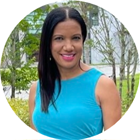
Who are dietitians, and what do they do?
Specialists who train to provide medical nutrition therapy to patients with several chronic conditions are known as dietitians. Dietitians in the U.S. are also known as registered dietitians (RDs) or registered dietitian nutritionists (RDNs). They help patients develop a healthy diet plan customized to their needs and condition. Dietitians in the U.S. are also certified to treat a few clinical conditions too.
Dietitians oversee your eating habits and guide you in determining the perfect exercise regime for managing your medical condition. A healthy diet helps keep blood pressure, blood sugar, and cholesterol levels steady, thus preventing complications in patients facing chronic health problems such as diabetes and heart disease.
Training and qualifications for dietitians in the U.S.
All RDs or RDNs in the U.S. must get certified by the Academy of Nutrition and Dietetics. To receive this certification, they must enter an accredited college or university and complete a bachelor's or master's degree along with 1,200 hours of supervised coursework. The Academy of Nutrition and Dietetics or the Accreditation Council for Education in Nutrition and Dietetics (ACEND) must approve this completed coursework as legitimate. Following the approval, RDs or RDNs must pass a national-level examination conducted by the Commission on Dietetic Registration and renew it by regularly meeting all the professional education requirements.
What specialties can dietitians pursue?
Registered dietitians can acquire additional certifications in specialties like:
- Geriatric nutrition: Gerontological nutrition specialists work with older adults to manage their nutrition needs and develop nutrition plans to help treat and prevent common conditions, such as malnutrition and osteoporosis, that can affect them.
- Pediatric nutrition: Pediatric nutrition specialists specialize in children's nutrition needs from birth to age 21. They design nutrition plans to meet general growth and development requirements while addressing special needs and health concerns.
- Pediatric critical care nutrition: Pediatric critical care nutrition specialists are clinical dietitians. They work with a team of healthcare providers to tend to children in intensive care and aid with recovery by providing medical nutrition therapy.
- Renal nutrition: Renal nutrition specialists design personalized diets for people with kidney failure and chronic kidney disease. They also offer nutritional education, assessment, monitoring, and planning to support them throughout the various stages of treatment.
- Sports nutrition: Sports dietitians work with athletes and other highly active professionals, such as the police and military, to manage their nutrition and improve their overall fitness and performance in the field.
- Oncology nutrition: Oncology nutrition specialists work with the healthcare teams of patients recovering from cancer to manage their dietary requirements and address common nutritional challenges.
- Eating disorders: Registered dietitians specializing in eating disorders hold a certification from the International Association of Eating Disorder Professionals. They work with people with eating disorders and offer them nutritional rehabilitation.
- Obesity and weight management: Obesity and weight management specialists offer holistic support, including dietary planning and education, for people trying to manage their weight to treat or prevent obesity.
What are the different types of dietitians?
Dietitians can be of various types, some of which are listed below:
- Clinical dietitians: They work in clinical healthcare settings, such as nursing homes and hospitals, overseeing nutrition for patients receiving care in these facilities.
- Management dietitians: They oversee meal planning and food service programs for organizations like restaurant chains and correctional facilities.
- Research dietitians: They perform clinical tests, examine different foods to determine their calorie and vitamin content, and decide how the food might affect specific groups. They might also work in healthcare facilities to identify the proper diet for patients.
- Community dietitians: They typically work for government and nonprofit agencies, promoting general health and wellness through diet and nutrition planning. They might also supervise corporate wellness programs.
Who is a Certified Diabetes Educator?
A certified diabetes educator (CDE) is an RD or RDN with special certification in diabetes. These healthcare professionals have deep knowledge about diabetes and help patients prevent and control it by educating them about the condition and lifestyle changes concerning diet and exercises that can help keep the sugar levels in check. They also answer questions about medications, insulin pumps, and ways to monitor blood glucose levels. When you visit a CDE, they will ask questions regarding your condition, diagnostic tests undergone, medications prescribed, and your daily routine.
The certification process for becoming a CDE involves clearing a written test containing 175 questions about diabetes and its management. CDEs must take this written test every five years to keep their credentials and practice as diabetes educator experts.
When should you see a dietitian?
You can consult a dietitian for various reasons. Some of these are as follows:
- Weight loss: Fad diets are not a healthy option for losing weight. Instead, consult a dietitian. They can help you build long-term habits that equip you not to regain the lost weight while ensuring your eating habits do not leave you feeling deprived.
- Weight gain: If you have lost too much weight and find it difficult to consume enough nutrition to maintain a healthy body mass, a dietitian can also help with that.
- Chronic disease: Illnesses like diabetes, heart disease, and others are closely related to what you eat. Therefore, healthy dietary changes can help you manage or prevent those conditions. While diet cannot always cure diseases, it can significantly reduce your symptoms.
Further, if you have a disease that negatively affects your appetite or makes eating painful, consider consulting a dietitian. They can determine a diet that helps you meet your nutritional goals while being mindful of your concerns.
- Athletic performance: If you participate in rigorous physical activities, a dietitian can optimize your diet for athletic performance.
- Food allergies and sensitivities: Managing conditions like food allergies, celiac disease, etc., means you cannot eat certain foods, making it challenging to maintain a balanced diet. A dietitian can help you identify your food triggers, ensure good digestion, and devise a healthy diet.
How can a dietitian help you?
When the conversation about health and wellness comes into play, one of its prime aspects is a balanced diet. It sparks the question of how essential it is to eat right from the overall perspective. Looking at the flipside answers its essentiality: poor eating and sedentary lifestyles may pave the way toward chronic disorders and death.
But eating right is often easier said than done, and it isn't helpful that health magazines or nutrition headlines frequently contain confusing and dubious advice. Choosing what and how much food to put on our plates can be tedious; here, a dietitian can help us.
A dietitian can adapt your meal plan to help you reach your goals while accommodating your needs. With a dietitian's help, you can understand how to prepare and cook healthy meals at home, read nutrition labels, choose healthy food items at the grocery store, and make finer choices when dining out. Furthermore, they can help you by providing specific dietary information based on a health condition or a wellness goal you may have, such as:
- Managing a chronic disorder like diabetes, high cholesterol, high blood pressure, or gout by learning how your food choices may affect your health.
- Shedding unwanted weight by asking a dietitian to help design an eating and workout plan for burning calories.
- Living well with a restrictive diet, such as having a food allergy or a digestive issue like celiac disease or gastroesophageal reflux disease (GERD). In circumstances like these, you may have to avoid specific food items or beverages so that a dietitian can help you learn to do that without sacrificing nutritious and flavorful food.
- Managing a weight-loss surgery by learning to get sufficient essential nutrients, even when your stomach can only handle small amounts of food.
- Fueling your athletic training by knowing about carb loading or recovery meals. Many dietitians focus on sports nutrition, and they can help you design the most suitable game plan.
Conditions that improve with a nutritious diet
While drugs and medical procedures are a sure-shot way of treating most disorders, a healthy diet is crucial in complementing the other therapies and preventing further complications. Some conditions where diet management is equally important are obesity, heart disease, stroke, Type II diabetes, and some cancers.
A healthy diet, regular exercise, and sleeping habits help children and adults prevent obesity. A nutritious diet, low in sodium and saturated fats and high in fiber, keeps the body's cholesterol levels in check and blood pressure under control, which helps avoid stroke and heart disease. Store-bought processed food and restaurant dishes contain high sodium levels and must, therefore, be avoided, especially by people with risk factors of developing heart illnesses and stroke.
Type 2 diabetes often emerges as a heightened risk in individuals dealing with obesity, primarily due to the impact of surplus weight on impeding insulin function within this overweight population. One of the time-tested ways of preventing the development of diabetes and controlling an already existing condition is by maintaining optimal weight. The risk associated with many cancers, such as uterine, breast, and colorectal, increases from an unhealthy diet and weight. Some known unhealthy foods associated with cancers include processed and red meat and beverages infused with sugars, which people with a family history or other risk factors for developing malignant tumors must avoid.
How to find a registered dietitian near you in New York?
One of the best online portals to locate the best dietitians in New York is the Zocdoc website. The Zocdoc application helps you find qualified dietitians and experience in dealing with your problems. Go into the website and enter the following details into the search boxes: why you need a consultation, symptoms or condition, current residential address, zip code, and medical insurance policy. Once you enter your details, the application will immediately filter through its entire database and present you with a curated list of registered dietitians near you who are perfect for taking care of you.
Each dietitian near you listed on the Zocdoc website has a separate profile that details all the information about these care providers. The profile contains data about the dietitians' educational background, years of training and work experience, licenses and certifications, area of specialization, affiliation, accreditation, and any awards received in the past. You will also find particulars about the genders of the healthcare professionals, languages they are fluent in, places, days, and times they give consultations, and any specific age group of patients they treat.
With Zocdoc, you can book in-person and online appointments, and the website also shows you which dietitians accept your insurance policy. Select your current insurance policy and plan from the drop-down menu on Zocdoc, and you will immediately know which of your chosen registered dietitians near you are in-network. Alternatively, you can use Zocdoc’s insurance detector.
If you cannot see your insurance plan listed on Zocdoc, try uploading an image of your medical insurance card (not applicable to vision or dental insurance). The website will scan the picture and show you your most likely plans. If you face any problems while uploading the image, you can contact Zocdoc's service team. Check out Zocdoc's patient help center for other insurance-related queries.
All bookings in Zocdoc are fast, free, and secure!
Statistics related to nutrition and diet in New York, New York
According to the U.S. Bureau of Labor Statistics, 4,880 licensed nutritionists and dietitians were practicing in New York as of May 2021. The location quotient for the state, the ratio between the number of nutritionists and dietitians in New York, and the average number in the U.S. were 1.19. In the New York-Newark-Jersey City metropolitan region, 4,520 nutritionists and dietitians provided consultation services in government and private institutions. The location quotient for this region, 1.10, was also higher than the national average (any number greater than 1 points toward a higher employment rate).
According to an article published on the New York State Department of Health website, titled "Prevalence of obesity among New York state adults by county," as of 2018, almost 27.6% of adults in New York were obese. A comparison of obesity among the New York City boroughs showed that the highest numbers were in the Bronx (30.5%), and the lowest was in Manhattan (19.2%).
America's Health Rankings website published another report regarding obesity statistics in New York State as of 2021. Among the various ethnic groups in the state, obesity was highest among Blacks (35.1%) and lowest among Asians (9.1%). The data regarding obesity among different age groups stated that adults between 45 and 64 constituted 30.8% of obese people in New York. The percentage of obesity between genders showed that the prevalence among males (26.4%) and females (26.3%) was almost the same.
Sources
WebMD
Medical News Today
Centers for Disease Control and Prevention
U.S. Bureau of Labor Statistics
New York State Department of Health
America's Health Rankings
Verywell Mind[1]
Verywell Mind[2]
Verywell Mind[3]
Cleveland Clinic[1]
Cleveland Clinic[2]
Cleveland Clinic[3]
ZipRecru