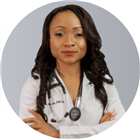
Who is an OB-GYN?
Reproductive health issues account for nearly one-third of all health problems women encounter between the ages of 15 and 44. They are an essential aspect of any treatment.
More than ever, physicians must be aware of the health disparities between men and women to give competent care.
An obstetrician-gynecologist or OB-GYN is a generalist practitioner trained to care for women's health issues. Women see an OB-GYN for pregnancy-related advice, preventive screenings, fertility problems, and menopause care, among other reasons. Because the education and clinical training for obstetrics and gynecology occur concurrently, some OB-GYN physicians may instead choose to specialize in one of these two fields (practicing as a gynecologist or an obstetrician, respectively).
A gynecologist specializes in female reproductive health, such as irregular periods, changes in flow, abdominal cramps, or the numerous symptoms of the menopausal transition. They also offer Pap smears, cancer screening, hysterectomies, tubal ligations, and testing for sexually transmitted diseases. Gynecologists, however, rarely consult on issues linked with pregnancy and childbirth.
In contrast, an obstetrician is trained to deliver preconception, postnatal, and pregnancy-related care. It includes consultations on the proper nutrition and dietary supplements for an expectant mother, the medications she should avoid taking, and any surgical interventions during childbirth or puerperium (i.e., six weeks immediately following childbirth).
Obstetricians often deliver babies and regularly monitor fetal development through ultrasonography. They play an essential role in high-risk pregnancies, where a mother suffers from pre-existing severe conditions that may potentially complicate childbirth.
Educational qualifications of an OB-GYN
Becoming an OB-GYN takes years of dedicated education and hands-on training. Here's a closer look at the journey:
- Undergraduate education: Any aspiring OB-GYN starts by earning a bachelor's degree from an accredited college or university. They pass the critical Medical College Admission Test (MCAT) to attend medical school.
- Medical school: The next step is four years of medical school. The first two years focus on essential medical sciences like anatomy, physiology, and pharmacology. In the last two years, students undergo hands-on clinical training, working with actual patients under the supervision of experienced physicians.
- Residency: OB-GYNs then enter a four-year residency, where they start practicing and caring for patients in various settings, including labor and delivery, gynecological surgeries, and outpatient clinics. All of this is done under the guidance of seasoned doctors, allowing residents to build their experience and confidence.
- Board certification: Once they have completed residency, OB-GYNs can choose to become certified by the American Board of Obstetrics and Gynecology (ABOG). To do this, they must pass both a written and oral exam to demonstrate and exemplify their knowledge and skills.
- Continuing education: Even after years of training, OB-GYNs must take part in continuing education activities to stay updated on the developments in the field.
OB-GYN subspecialties
While a significant number of OB-GYNs are generalists, the American Board of Medical Specialties (ABMS) estimates that the number of OB-GYNs who have attained board certification in a subspecialty has recently increased significantly through the years. The American Board of Obstetrics and Gynecology (ABOG) defines four principal subspecialties in obstetrics and gynecology:
- Gynecologic oncology: This subspecialty concerns cancers of the female reproductive organs. Gynecologic oncologists are highly skilled in diagnosing and treating cancers such as ovarian cancer, cervical cancer, vaginal cancer, and uterine cancer.
- Maternal-fetal medicine: Specialists in maternal-fetal medicine handle and tackle high-risk pregnancies. They are responsible for taking care of both the mother and the infant. They may also monitor and oversee complicated or high-risk deliveries, such as a breech baby delivered vaginally.
- Female pelvic medicine and reconstructive surgery: In this surgery, the practitioners treat women with pelvic floor disorders medically and surgically. These physicians address an overactive bladder, urine incontinence, and pelvic organ prolapse.
- Reproductive endocrinology and infertility: OB-GYNs with expertise in men's and women's fertility issues are known as reproductive endocrinologists (REs). They treat reproductive health issues such as endometriosis.
OB-GYNs and pregnancy
OB-GYNs can provide vital care for pregnant women. They are trained to recognize and intervene if complications arise during pregnancy or childbirth. The active supervision and guidance of experienced OB-GYNs before, during, and after pregnancy can contribute to the mother's and infant's overall health and well-being. However, OB-GYNs also provide routine care to adolescent and adult women. You should attend preventive screenings and check-ups regardless of plans to start a family.
The news of an arriving baby is a moment of joy and celebration. Consequently, one of the first things on your list as a soon-to-be parent is finding and consulting an OB-GYN. The right OB-GYN would understand your needs and desires as a patient. Besides, preconception care can be an essential determinant of your baby's health. It includes decisions regarding nutrition, dietary supplements, the medications to avoid, and the physical work you do during pregnancy. Seeing an OB-GYN can also provide you with reassurance and peace of mind.
Your OB-GYN will monitor your and the fetus's health throughout your pregnancy. They will evaluate your general health, measure your tummy, listen for the fetal heartbeat, and use ultrasonography to check the fetus's growth. Your visits to the OB-GYN will increase in frequency as your pregnancy continues into its later months. OB-GYN visits may be more frequent in high-risk pregnancies.
After childbirth, your OB-GYN will assess your and your infant's well-being. They would also make referrals to various other experts as appropriate. For instance, a mother may see a lactation consultant if they are experiencing difficulty feeding. Similarly, OB-GYNs may recommend a psychiatric practitioner referral for a mother showing postpartum depression symptoms.
OB-GYNs and family planning
OB-GYNs can provide family planning assistance, such as pregnancy planning, pregnancy prevention, and interpregnancy care. They can help you plan your perfect family while undertaking all safety measures through information, awareness, and medical assistance.
Pregnancy planning
If you need someone to regularly guide you on the best practices and lifestyle changes for a successful conception, seek out the best ob-gyn near you. They can suggest when to start taking prenatal vitamins to reduce the risk of neural tube defects. They can help you follow a nutrient-rich diet, review existing medications, and advise you to stop substance use to ensure the healthiest pregnancy.
OB-GYNs can even diagnose and treat underlying health conditions and improve your chances of natural conception. They can also help you with fertility issues and recommend safe assisted pregnancy options. If you wish to start a family, an OB-GYN must review your reproductive health and scan possible underlying problems to prevent pregnancy complications later.
Pregnancy prevention
OB-GYNs can suggest appropriate contraception options to prevent pregnancy. It can help you if you don't want more children or want to avoid unwanted pregnancies. Birth control or contraception is a personal choice. Still, OB-GYN can help you determine the most suitable contraception method for safe pregnancy prevention. Temporary pregnancy prevention options include:
- Vaginal rings
- Birth control pills
- Intrauterine devices
- Hormonal birth control patches
- Diaphragms
- Birth control shots
If you no longer wish to grow your family size, you can ask the OB-GYN near you for permanent birth control solutions. They will examine your body and suggest safe methods for permanent pregnancy prevention.
What is interpregnancy care?
Some individuals may prefer to keep a gap of a few years between two children. OB-GYNs can help them with appropriate interpregnancy family planning assistance.
The human body is too weak after the first childbirth. In many cases, another pregnancy is precarious for the mother and the baby. In such cases, the OB-GYN can recommend spacing another pregnancy to allow recovery. This kind of care is called inter-pregnancy care. It begins during the postnatal stage and continues till the body is entirely healthy. For instance, in a C-section delivery, the doctor advises the patient to wait for a minimum of 18 months before planning another baby.
Inter-pregnancy care also includes those who have suffered a miscarriage, dilation, and curettage (D&C), and complications during childbirth. In these cases, OB-GYNs first conduct detailed physical examinations to identify safe timelines to plan a pregnancy to minimize the risks and achieve better pregnancy outcomes.
Can adolescents and teenagers consult an ob-gyn?
Yes! In fact, the American College of Obstetricians and Gynecologists (ACOG) suggests that young girls schedule a visit with a gynecologist or ob-gyn when they're between the ages of 13 and 15. Consider visiting the best ob-gyn near you if your daughter is not getting her period even after turning 15.
Having a trusted OB-GYN from a young age can help adolescents and teens build a strong relationship with their OB-GYN and communicate easily. This way, young girls will have the opportunity to understand the importance of reproductive health and developmental changes occurring in their bodies from the right medical professional.
Often, preteens and teenagers do not feel comfortable asking adults and caregivers personal questions regarding concerns like periods, sex, and birth control. Instead, they turn to the internet and their friends for information, which can be harmful and misleading. An OB-GYN provides accurate answers and demystifies any misconceptions or incorrect information that parents or children have.
Additionally, an OB-GYN may continue giving preteens advice as they grow older. For example, if a pelvic exam is required for an urgent health concern in the future, having the same trusted OB-GYN can decrease a patient's anxiety about the exam.
Other concerns young adults can discuss during their OB-GYN visit include-
- Dispelling myths against sexually transmitted infections and getting access to the proper treatment at the right time. Your OB-GYN will also teach you to lower your risk of sexually transmitted infections (STIs).
- If you are struggling with puberty and have concerns like heavy acne or unwanted hair growth, an OB-GYN can offer treatments. Further, OB-GYNs also educate patients on hygiene.
- You can discuss everything regarding your periodic cycle, i.e., if your periods are regular, how to get relief from painful periods, find out why your periods are too difficult, and learn ways to deal with premenstrual syndrome (PMS).
- Your OB-GYN can help you understand what it means to be in a consensual relationship.
- Patients can also openly discuss their struggles with gender identity, sexuality, and what it means to be a part of the LGBTQ community. OB-GYNs are now becoming more understanding and inclusive of gender identity issues, both physical and emotional. You can discuss treatments like hormonal transitions. OB-GYNs can offer medications that can pause puberty and begin a hormonal transition. They also address any mental health concerns you may have related to gender identity.
- Your OB-GYN can review your medical history to help you evaluate your risk for cervical cancer and certain genetic conditions.
- You can also discuss the ideal time to start a family and your options for conceiving.
- OB-GYNs maintain confidentiality regarding their patients' issues. You may also discuss your situation at home, child support, and domestic abuse or intimate partner violence. Your OB-GYN will direct you towards the right resources and help you get the support you need.
Find the best ob-gyn near you in San Antonio, TX
A conveniently located OB-GYN that matches your needs (in terms of availability and clinical training) would be optimal. Childbirth and menopause influence nearly every woman or person, and proper and decent healthcare is vital for the most significant health outcomes. After all, reproductive health decisions are based on personal factors and often have long-term consequences.
Zocdoc is a unique platform that helps you find an OB-GYN near you based on their specialty and the treatments they offer. You can quickly locate a provider nearby who accepts your insurance. If your specific insurance plan isn’t listed, you can upload a photo of your medical insurance card. Zocdoc will scan it and show the closest matching plan. Please note that this feature is functional for medical insurance cards and doesn’t apply to dental or vision plans.
If you need help uploading your card or have questions, Zocdoc’s service team is available year-round via chat or email. You can also explore Zocdoc’s patient help center for more information on insurance and services.
You can browse various provider profiles on Zocdoc to learn more about their qualifications and work experience. Since doctor-patient partnerships are so significant, we publish verifiable consumer feedback on our website. At Zocdoc, we've always endeavored to make healthcare more accessible. Bookings with Zocdoc are always free, simple, and secure.
Women's health in Texas
The Health and Human Services has the mandate to provide health care services to women in Texas. These include advice related to avoiding unplanned pregnancies, fostering healthier pregnancies, combating domestic abuse, and caring for children. Texans can also apply for the Children's Health Insurance Program and Medicaid coverage for their children.
One of the most acclaimed government-sanctioned medical programs, Healthy Texas Women, is dedicated to providing free health and family planning services to eligible Texas women. Healthy Texas Women assists women in making informed reproductive choices, whether they want to start a family soon, delay becoming a parent, or avoid pregnancy altogether. The advice offered by the program may also benefit future pregnancy planning and general wellness.
Sources
Healthline
WebMD
The American College of Obstetricians and Gynecologists[1]
American College of Surgeons
MayoClinic
Johns Hopkins Medicine
Royal College of Obstetricians and Gynaecologists
Texas Health and Human Services
Global Pre-Meds
The American College of Obstetricians and Gynecologists[2]
Gynecology and Obstetrics Medical Group
The American College of Obstetricians and Gynecologists[3]
The American College of Obstetricians and Gynecologists[4]
The American College of Obstetricians and Gynecologists[5]
The American College of Obstetricians and Gynecologists[6]
Nemours KidsHealth
Michigan Medicine
Houston Methodist
UChicago Medicine



-Quoc-Pham-MD-666561-circle_medium__v1__.png)